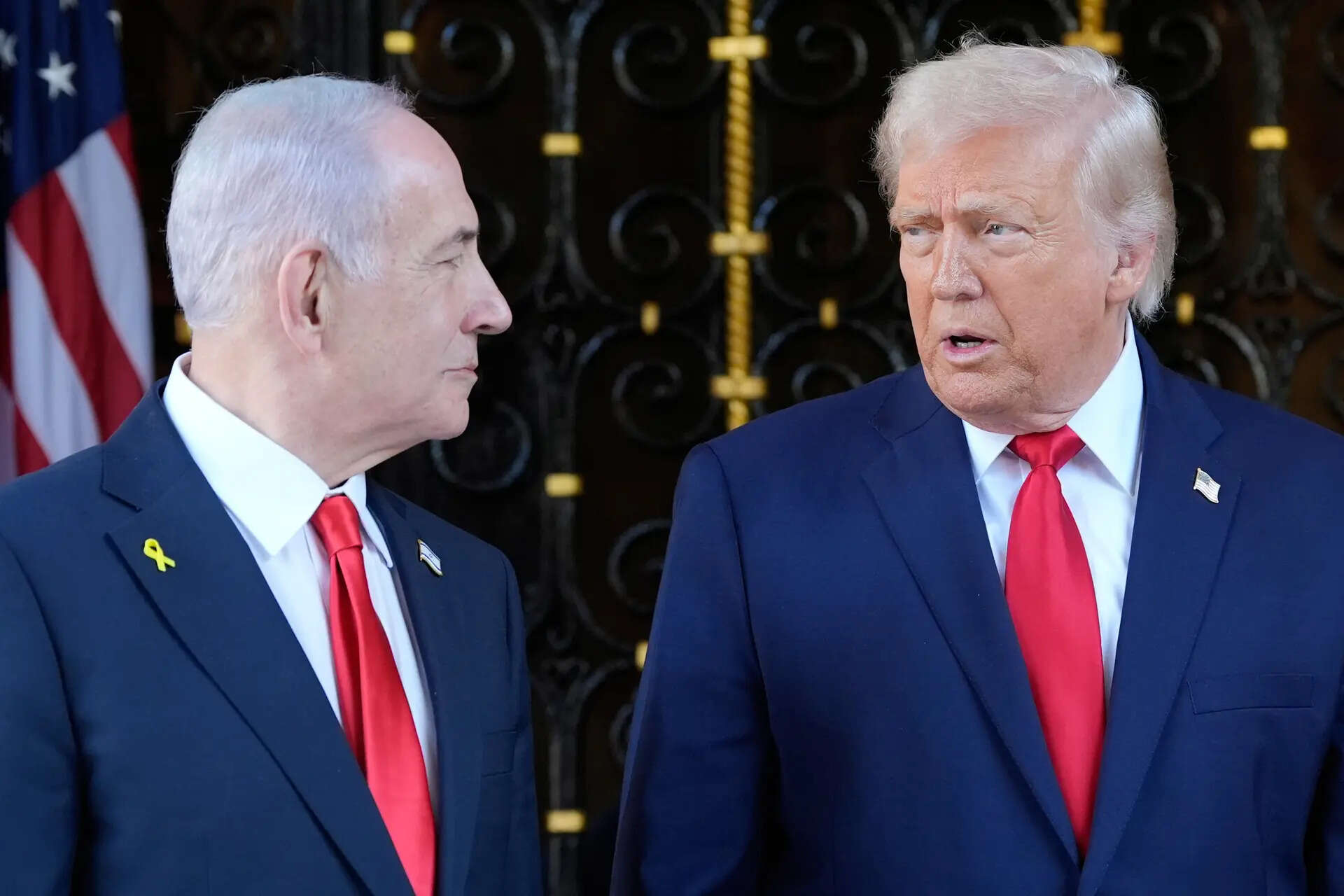
The federal government has dropped the pretense of administrative neutrality. In a startling acknowledgment buried within recent court filings, the Trump administration confirmed that its decision to terminate $7.6 billion in clean energy grants was driven specifically by the political composition of the recipient states. This admission shreds the previous narrative maintained by Energy Secretary Chris Wright, who had long insisted that the cancellation of over 300 projects was a purely fiscal exercise intended to protect taxpayer interests.
The court documents reveal that federal lawyers explicitly tied the grant rescissions to the political leanings of 16 states—all of which supported the Democratic ticket in the 2024 presidential election. The move marks a shift in how federal executive power is exercised, turning the Department of Energy into a theater for partisan retribution rather than a functional engine for national infrastructure.
The Anatomy of an Administrative Strike
When these projects were first terminated last October, the administration framed the decision as a routine scrubbing of the federal ledger. They cited a lack of economic viability or an inability to meet the nation’s pressing energy needs. This explanation was always questionable to seasoned observers of bureaucratic operations. Federal grants for infrastructure, particularly those funded by the Bipartisan Infrastructure Law, undergo exhaustive vetting cycles before a single dollar is disbursed.
The legal admission changes the calculus entirely. It confirms that the vetting process was not merely about fiscal health or grid efficiency. Instead, officials were using a ideological filter to sweep through applicant lists. Specifically, reports indicate that the administration employed keyword screening to flag projects based on topics such as gender, diversity, and COVID-19 history. By filtering for these terms, the agency effectively constructed a digital dragnet designed to prune projects originating in "blue" jurisdictions, regardless of their technical merit or utility to the national grid.
The Cost of Weaponized Bureaucracy
The real-world impact of these cancellations extends far beyond the partisan rhetoric of Washington. These funds were intended to support a wide array of critical assets: battery manufacturing facilities, hydrogen energy development, and modernized transmission systems. These are not ephemeral programs; they are the physical building blocks of the next decade of power production.
Consider a hypothetical scenario where an independent firm plans to build a large-scale energy storage site. The company secures a federal grant, signs long-term lease agreements for land, and begins hiring local contractors. When that funding is suddenly pulled, the company does not simply switch gears to a different project. They often face immediate insolvency, forcing them to lay off technical staff and abandon site development. This creates a ripple effect throughout the supply chain, as smaller firms that rely on these primary contractors also lose their pipelines for revenue.
The destruction of these projects serves a specific strategic goal for the current administration: the preservation of status quo energy incumbents. By removing the competition—even at the cost of billions in sunk investment—the administration clears the field for traditional fossil fuel infrastructure. This is not a passive energy policy. It is an active intervention designed to reshape the energy market by force of executive mandate.
The Legal and Ethical Breaking Point
This case, known as Thakur v. Trump, has become the focal point for legal challenges against the Department of Energy. The admission in court has emboldened Democratic lawmakers and various advocacy groups who had already been flagging the suspicious nature of the cuts. However, the legal road ahead is fraught with complexity. Federal agencies often have broad discretion in how they distribute—or rescind—discretionary funding.
The core issue here is whether the "arbitrary and capricious" standard of administrative law has been violated. If an agency can prove that its decision-making process was tethered to a legitimate administrative reason, courts are generally loath to interfere. But here, the administration has admitted that the motivation was entirely outside the scope of authorized bureaucratic criteria. They effectively admitted to an illegal use of government authority.
Beyond the Election Cycle
The implications of this episode suggest a troubling trajectory for the civil service. When senior officials use institutional machinery to systematically disadvantage specific regions based on voter turnout, they erode the foundational trust required for federal programs to function effectively. If a business owner in a blue state can no longer rely on federal grant programs because their location is tagged as "politically hostile," they will stop applying. This doesn't just kill current projects; it effectively severs the pipeline of innovation for entire sectors of the economy for the foreseeable future.
The internal watchdog at the Department of Energy launched an audit of these cancellations last December. While such audits are traditionally slow-moving, the recent admission in court creates a new sense of urgency. The question is no longer whether politics played a role in the destruction of these energy initiatives. The question is what—if any—remedies remain for the thousands of individuals whose careers and projects have been caught in the crossfire of this executive purge.
For now, the machinery of the Department of Energy remains firmly focused on its current directive. The $7.6 billion is gone, the projects remain stalled or abandoned, and the long-term impact on the national energy grid is only beginning to materialize. The administration has traded the long-term health of American energy infrastructure for a momentary political victory, a calculation that will likely define the energy landscape for years to come.