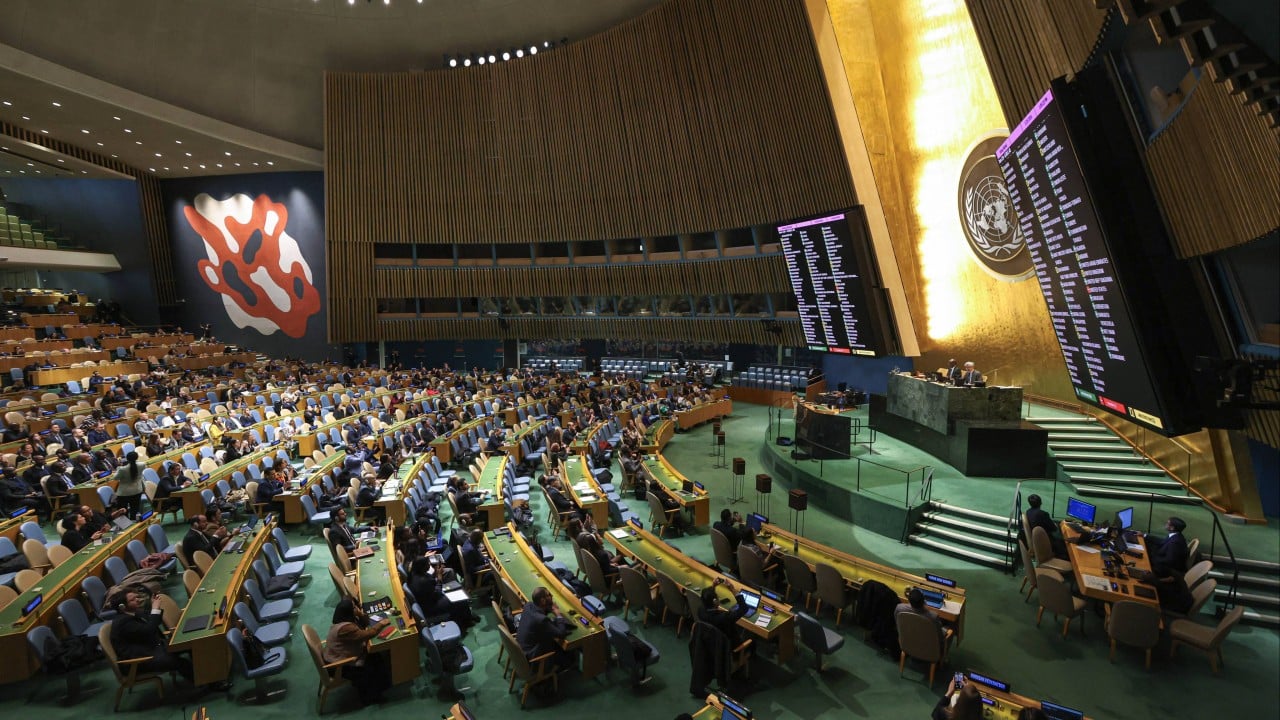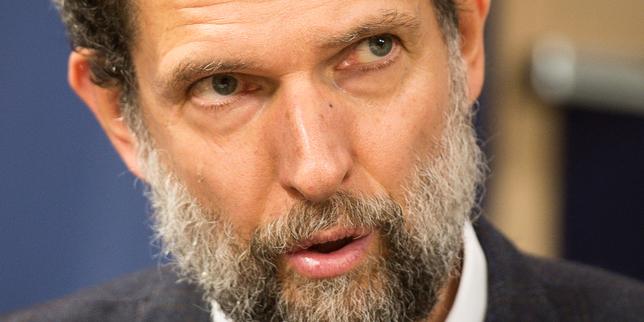
The Grand Chamber of the European Court of Human Rights has delivered a definitive judgment declaring the criminal conviction of Turkish philanthropist Osman Kavala null and void under convention law. Imprisoned since 2017, Kavala has transformed from a quiet cultural patron into the central barometer for the erosion of judicial independence in Turkey. Ankara must secure his release at the earliest possible date, according to the Strasbourg court, which ruled that his aggravated life sentence amounts to a flagrant denial of justice. This latest legal earthquake goes far beyond an individual liberty dispute. It lays bare the mechanics of executive overreach and tests whether international human rights architecture still holds any practical weight against defiant sovereign states.
The Anatomy of an Arbitrary Prosecution
To understand how a prominent publisher and civil society financier ended up serving life without parole, one must examine the shifting architecture of the charges against him. Kavala was initially arrested in October 2017, accused of orchestrating and financing the 2013 Gezi Park demonstrations. Those protests began as an urban environmental sit-in before morphing into nationwide anti-government demonstrations. For a more detailed analysis into this area, we recommend: this related article.
When a Turkish court acquitted him of those charges in February 2020, relief was short-lived. Before he could walk out of Marmara Prison, authorities detained him on separate allegations relating to the 2016 military coup attempt. The legal loop tightened further when those distinct threads were merged, culminating in a 2022 conviction for attempting to overthrow the government.
The Strasbourg court noted specific procedural anomalies that dismantled any illusion of due process. Disciplinary investigations were launched against the very judges who voted for his 2020 acquittal. Case files were shuffled, merged, and resurrected to bypass unfavorable judicial outcomes. Senior political figures routinely delivered public remarks pronouncing guilt long before any verdict was rendered. These actions exposed structural vulnerabilities that permitted the executive branch to exert direct pressure on the judiciary, transforming the courts into tools of political containment. For broader details on this topic, detailed coverage is available on The Guardian.
The Broader Impact on Dissent and Civil Society
Kavala’s prolonged incarceration serves a chilling signaling function. By targeting a figure who avoided partisan politics and instead funded cultural preservation, publishing houses, and minority dialogue projects, the state sent an unambiguous message to civil society. Independent NGOs, human rights defenders, and investigative journalists absorbed the lesson. Self-censorship replaced open critique as the safer professional standard.
For international observers, the case illustrates a broader authoritarian playbook. Governments seeking to neutralize opposition often bypass outright bans, opting instead for prolonged pre-trial detentions and complex, drawn-out criminal trials. The process itself becomes the punishment. Years tick away behind bars while appeals wind through compromised appellate bodies. By the time an international tribunal steps in, the chilling effect has already permeated the entire domestic landscape.
The Enforcement Crisis and Diplomatic Fallout
Strasbourg rulings are legally binding under the statutes of the Council of Europe. Yet, President Recep Tayyip Erdogan’s administration has consistently refused compliance, dismissing previous judgments as politically motivated interference. This defiance triggered severe diplomatic friction, most notably in 2021 when Ankara threatened to expel ten Western ambassadors—including envoys from the United States, Germany, and France—after they issued a joint call for Kavala's release.
The core dilemma facing international law is structural. The European Court of Human Rights can issue declarative judgments, award financial damages, and mandate legislative adjustments, but it lacks an enforcement police force. When a member state chooses political defiance over treaty obligations, the Council of Europe possesses limited disciplinary levers, such as infringement proceedings or eventual voting rights suspension. These mechanisms move at glacial speeds, offering little immediate solace to an aging political prisoner nearing his late sixties.
As the legal dust settles on this latest Grand Chamber ruling, the Turkish judicial system faces an uncomfortable spotlight. Whether Ankara chooses defiance or compliance will determine not just the freedom of one man, but the future credibility of regional human rights protections across the continent.
This video provides background context on how Osman Kavala's initial imprisonment sparked a prolonged legal and political standoff in Turkey.
http://googleusercontent.com/youtube_content/1