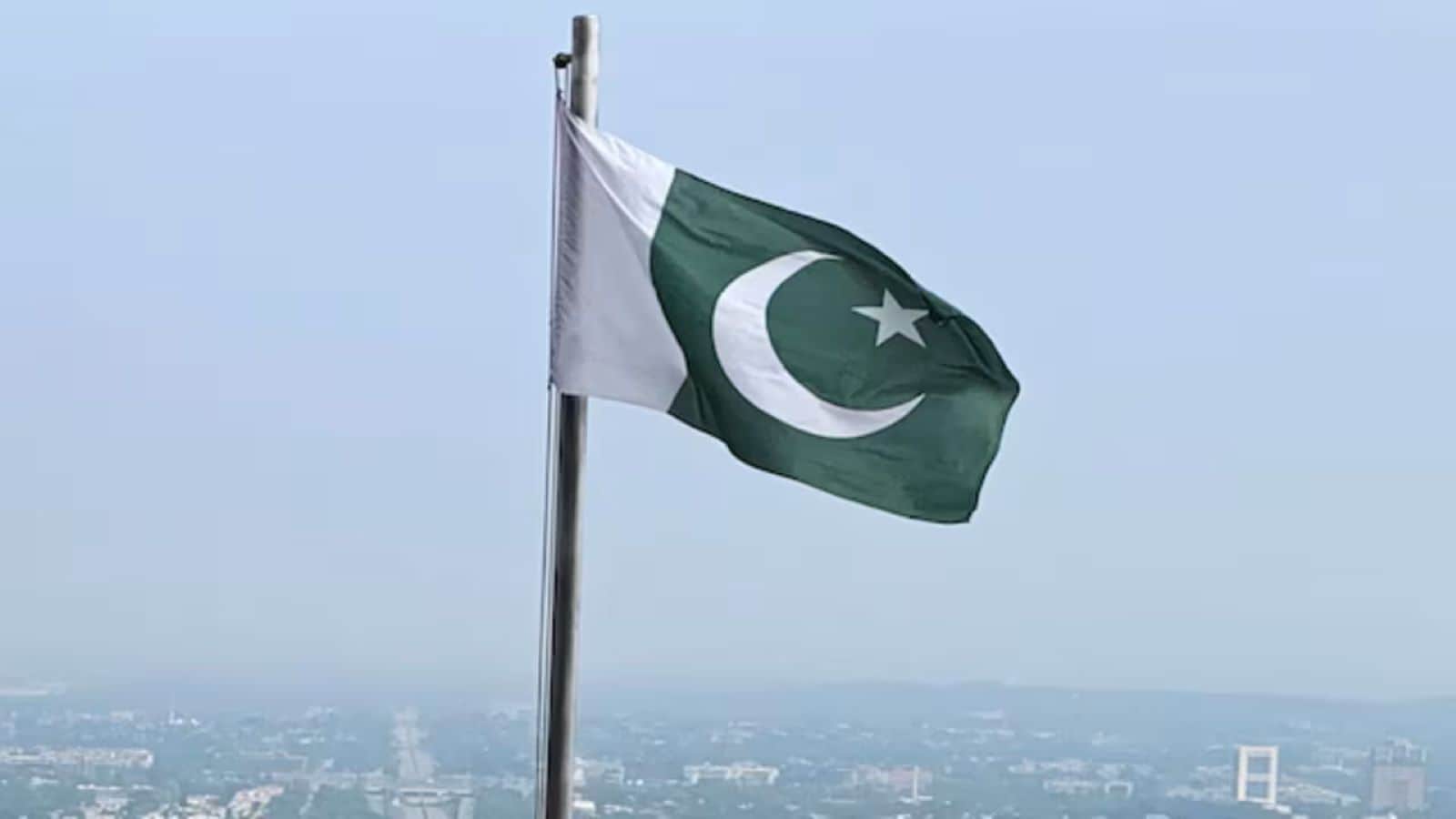
Pakistan has officially approached the United States requesting a massive $10 billion bilateral Exchange Stabilization Support Facility to shore up its depleted foreign exchange reserves and halt the slide of the Pakistani rupee. The aggressive diplomatic gamble, delivered directly to US Treasury Secretary Scott Bessent by Pakistani Finance Minister Muhammad Aurangzeb, marks a sudden pivot in South Asian geopolitical strategy. Islamabad is attempting to cash in on its recent backchannel mediation during the volatile Iran conflict, betting that Washington will value its diplomatic utility enough to underwrite its economic survival.
While the Pakistani Finance Ministry publicly framed the Washington meetings around market access and investment, the private request for a five-year stabilization fund exposes the profound fragility beneath Islamabad’s economic facade.
The Geopolitical Transaction
Islamabad has spent decades navigating the hazardous friction between Washington and Tehran. The recent escalation of the Iran war presented an unexpected opening. By positioning itself as a rare intermediary capable of hosting quadrilateral talks alongside Qatar, Pakistan successfully demonstrated its utility to a US administration desperate to contain regional contagion.
Yet, the ask for $10 billion reveals that Islamabad does not view diplomacy as a altruistic exercise. It views it as a transactional shield.
The mechanism Pakistan is targeting is the US Treasury’s Exchange Stabilization Fund, a tool rarely deployed for bilateral foreign assistance. Aside from long-standing arrangements with Mexico, Washington has only activated this kind of support twice in the last quarter-century: for Uruguay in 2002 and Argentina in 2025. By requesting a direct currency defense facility rather than standard development aid, Pakistan is trying to bypass the lengthy congressional oversight that typically stalls traditional aid packages.
Recent U.S. Exchange Stabilization Interventions:
┌──────┬────────────────────┬────────────────────────┐
│ Year │ Country            │ Context                │
├──────┼────────────────────┼────────────────────────┤
│ 2002 │ Uruguay            │ Regional Contagion     │
│ 2025 │ Argentina          │ Currency Collapse      │
│ 2026 │ Pakistan (Pending) │ Geopolitical Leverage  │
└──────┴────────────────────┴────────────────────────┘
The strategy is high-stakes. If the US Treasury declines, it signals that Washington is content to let Pakistan remain trapped in a permanent cycle of multilateral restructuring. If approved, it represents a profound shift, acknowledging that Pakistan's intelligence and diplomatic networks are too critical to fail.
The Mirage of IMF Stability
On paper, Pakistan is following the textbook rules of global finance. The country is currently bound to a strict $7 billion International Monetary Fund program, supplemented by a $1.3 billion climate resilience facility. The government has pushed through deeply unpopular tax increases, slashed public spending, and raised energy tariffs to satisfy Western technocrats.
However, the IMF program is not a cure; it is a holding pattern.
The core vulnerability is that Pakistan’s central bank reserves are built on sand. The apparent stabilization of the rupee relies almost entirely on artificial life support: short-term deposits and rolling loans from China and Saudi Arabia. When the United Arab Emirates recalled $3.5 billion in deposits, Riyadh had to instantly step in with an equivalent injection just to keep the country's head above water.
This creates a exhausting cycle of dependency. Islamabad is perpetually borrowing from Peter to pay Paul, leaving its currency utterly exposed to the slightest shift in regional alliances. A direct $10 billion US facility would break this loop, offering a five-year breathing room that independent market operations cannot provide.
Washington Confronts the Leverage Trap
The US Treasury now faces a complex calculus. Supporting Pakistan secures a vital conduit to Tehran and maintains a footprint in a nuclear-armed nation. However, handing over a multi-billion-dollar line of credit risks undermining the leverage the West holds through the IMF.
Furthermore, Washington must weigh its broader regional alliances. A direct financial intervention of this scale will inevitably draw scrutiny from New Delhi, which closely monitors any American economic policies that could inadvertently subsidize Pakistan’s security establishment.
There is also the question of precedent. If Washington rewards Pakistan’s mediation efforts with direct financial backing, it sets a standard that other middle-powers will notice. Geopolitical mediation could become a explicit tool for debt relief.
Islamabad’s pitch is anchored in the reality that an chaotic economic collapse in a country of 240 million people would create far more global instability than a $10 billion currency loan. Whether the US Treasury accepts that logic depends entirely on how badly Washington needs Pakistan to keep talking to Iran.