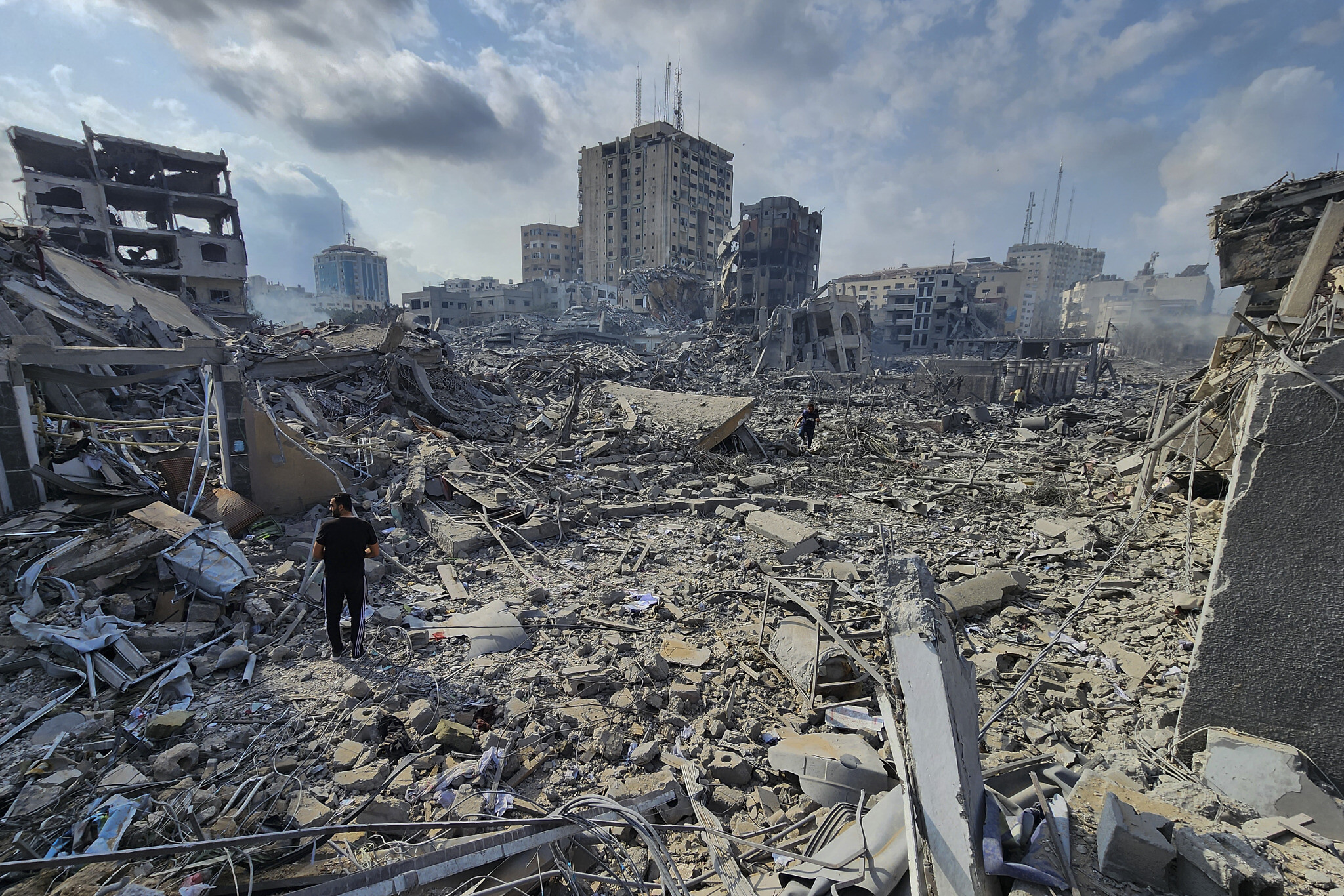
When a school building gives way in Pakistan, grief arrives within minutes, followed quickly by familiar promises of inquiries, suspensions, and stern warnings from provincial capitals. Families gather outside rubble or hospital wards demanding accountability after a Pakistan school collapse, asking how a structure meant to shelter children became a trap. Yet treating each tragedy as an isolated act of bad luck or local negligence misses the deeper architecture of failure. Across decades of reporting on infrastructure, urban expansion, and public administration, one pattern repeats with chilling regularity. Buildings fail not in a single dramatic second, but across years of deferred maintenance, bypassed inspections, weak enforcement, and competing political priorities that reward ribbon-cuttings over long-term upkeep.
To understand why families keep demanding justice after a Pakistan school collapse, we have to look past the immediate headlines and examine the structural incentives built into how schools are funded, sited, built, and inspected. A building does not collapse out of nowhere. Mortar weakens, rebar corrodes, foundations shift, and upper floors get added to tight plots because space is scarce and budgets are stretched. When tragedy strikes, officials often reach for the cleanest villain available, whether a low-level contractor, a missing file, or sudden weather. That reflex keeps the system intact while leaving children inside vulnerable classrooms tomorrow morning.
Why grief keeps colliding with a familiar wall of silence
Families standing amid broken concrete rarely ask for abstract policy reforms first. They want simple, immediate answers. Who approved this building. Why were children inside if cracks or structural weaknesses were visible. Why does justice feel so slow when ordinary citizens lose loved ones, while culpable parties seem to slip behind paperwork and jurisdictional handoffs.
That anger is grounded in lived memory. In South Asia and many other fast-growing regions, disasters often trigger a predictable cycle of outrage. Television crews arrive, politicians pledge swift action, committees are formed, and compensation packages are announced. Months later, reports sit in drawers or move at a crawl through overcrowded courts, and the underlying rules governing construction and safety remain largely unchanged. For bereaved parents, the lack of visible accountability feels like a second injury. It tells them that their loss was tragic for a week, not urgent enough to alter how institutions operate.
At the same time, accountability in building failures is genuinely messy on the ground. Assigning blame sounds straightforward in a speech. Proving criminal liability or regulatory failure in a courtroom is slow work, especially when records are incomplete, approvals were informal, or responsibilities were split across municipal bodies, education departments, and private operators. Families see delay as cover-up. Officials often point to procedural hurdles or limited capacity. Between those two viewpoints sits a trust deficit so wide that almost every official statement is met with skepticism.
The hidden mechanics behind fragile school buildings
A single collapsed school usually sits at the intersection of several compounding pressures rather than one lone mistake. Rapid population growth has pushed communities outward and upward, often faster than municipal oversight can keep pace. Where land is expensive or scarce, private operators and local builders frequently improvise, adding stories to existing structures or converting spaces never engineered for heavy daily foot traffic and classroom loads.
Materials and construction practices play an equally decisive role. Structural safety depends on sound engineering design, proper concrete mixing, adequate steel reinforcement, protection against moisture and ground movement, and routine repairs when damage appears. Cut corners rarely show up on opening day. A wall built with substandard mix or insufficient curing can stand quietly for years until heavy rain, seismic vibration, ground settlement, or the weight of an extra floor pushes past the margin of safety.
Consider a hypothetical example to see how easily risk accumulates without setting off alarms. Imagine a two-story building originally put up as a modest neighborhood residence or small commercial unit and later leased or adapted to run as a school. Over time, enrollment rises, an extra floor is added without fresh structural calculations, a roof drain clogs and leaks into masonry for two rainy seasons, and small cracks near window lintels are plastered over during a quick coat of paint before a new term starts. Nothing looks dramatic from the street. On paper, everything may look normal enough until a day when stress concentrates at a weak point and the structure gives way.
Publicly funded schools face a different set of pressures, though the outcome can be just as perilous. Tight capital budgets often favor putting up new classrooms over funding unglamorous maintenance line items. A leaky roof or damp foundation does not win votes the way a newly inaugurated block does. Over years, small maintenance backlogs compound into serious structural wear, particularly in older buildings or areas exposed to seasonal extremes and shifting soil.
Paper compliance versus real-world enforcement
On paper, building codes and safety regulations usually look clear enough. In practice, rules only protect people if they are understood by builders, backed by realistic costs, and enforced consistently by trained inspectors. When inspection agencies are understaffed, under-resourced, or stretched across vast districts, oversight becomes sporadic or reactive.
Informality complicates the picture even further. Many neighborhood schools operate in dense, fast-changing environments where permitting systems can feel slow, expensive, or opaque to small operators. When compliance is treated as an administrative hurdle to bypass rather than a shared baseline for keeping children alive, safety standards lose teeth. Even where inspections exist, checklists sometimes focus on surface formalities rather than deep structural integrity, allowing high-risk buildings to keep operating under the radar.
The overlooked factors that shape every investigation
Coverage of a Pakistan school collapse naturally centers on rescue efforts, casualty figures, and the immediate demands of grieving relatives. Yet several quieter factors heavily influence what happens next and why reform stalls.
One overlooked factor is jurisdictional fragmentation. When a school fails, multiple authorities may claim a piece of the story while none owns the whole problem. Local municipal authorities, district administrations, education departments, disaster management agencies, and private school regulators can have overlapping or unclear boundaries. When responsibility is divided across agencies, finger-pointing becomes effortless and systemic follow-through becomes hard to sustain.
Another critical factor is post-disaster selective memory. Immediately after a collapse, emergency inspections often surge in the affected district or province. Teams fan out, notices go up, and headlines track every closure. Months later, attention shifts elsewhere, routine staffing constraints return, and enforcement intensity often ebbs back toward prior norms. Without permanent institutional habits and transparent follow-up tracking, post-crisis crackdowns risk becoming temporary spikes rather than lasting change.
There is also a tension between economic survival and regulatory closure. Shutting down unsafe schools abruptly without alternatives creates immediate friction for working families and local educators who depend on those institutions for daily childcare, learning, and income. Tough enforcement sounds simple in theory, yet in practice regulators often hesitate when abrupt closures leave children with nowhere else to go or spark pushback from operators and parents alike. That dilemma does not excuse unsafe premises, but ignoring it explains why enforcement is frequently inconsistent.
| Failure Layer | How Risk Builds Quietly | Why Accountability Stalls |
|---|---|---|
| Design and Construction | Substandard materials, unverified structural additions, or poor drainage go unnoticed early on. | Physical evidence gets buried in rubble, and original drawings or engineering records may not exist. |
| Regulatory Oversight | Sparse inspections, fragmented agencies, and informal operating arrangements leave gaps. | Multiple bodies share partial roles, making clear institutional blame hard to establish. |
| Routine Maintenance | Leaks, cracks, and structural wear are patched cosmetically or deferred due to tight budgets. | Wear looks gradual until failure occurs, blurring the line between neglect and accident. |
| Legal and Political Follow-Up | Inquiries move slowly while public focus shifts to newer crises. | Long court timelines and shifting priorities dull early momentum for structural reform. |
What real justice and prevention actually require
If families are to get something closer to real justice after a Pakistan school collapse, accountability has to move beyond symbolic scapegoating. Punishing a single contractor or suspending one local official may satisfy a news cycle, yet it rarely fixes a broken chain of oversight. Real accountability requires tracing decisions all the way up and down the line: who approved the site or use, who signed off on construction or occupancy, who ignored warning signs, and what rules failed to stop an unsafe building from holding classes.
Prevention starts long before bricks are laid and continues long after construction wraps up. Practical reform means pairing clear, enforceable minimum safety standards for all school buildings—public and private alike—with realistic pathways and technical support to bring existing structures up to code. It means treating preventive maintenance and structural audits as non-negotiable operating costs rather than optional extras to be cut when budgets tighten.
Transparency matters just as much. When communities can see clear information about school safety inspections, structural assessments, and the status of investigations into past failures, trust begins to have a foundation. Secrecy and endless procedural delays only feed the suspicion that powerful interests are shielded while ordinary families carry the cost.
None of this is easy in an environment stretched by economic strain, rapid urbanization, and competing emergencies. Laws alone do not pour stronger concrete, and committees alone do not stop water from seeping into a foundation. Every school must be treated as a public trust where a child's safety comes ahead of convenience, shortcuts, and political theater, starting with a strict, verifiable structural safety audit of every active school building before another term begins.