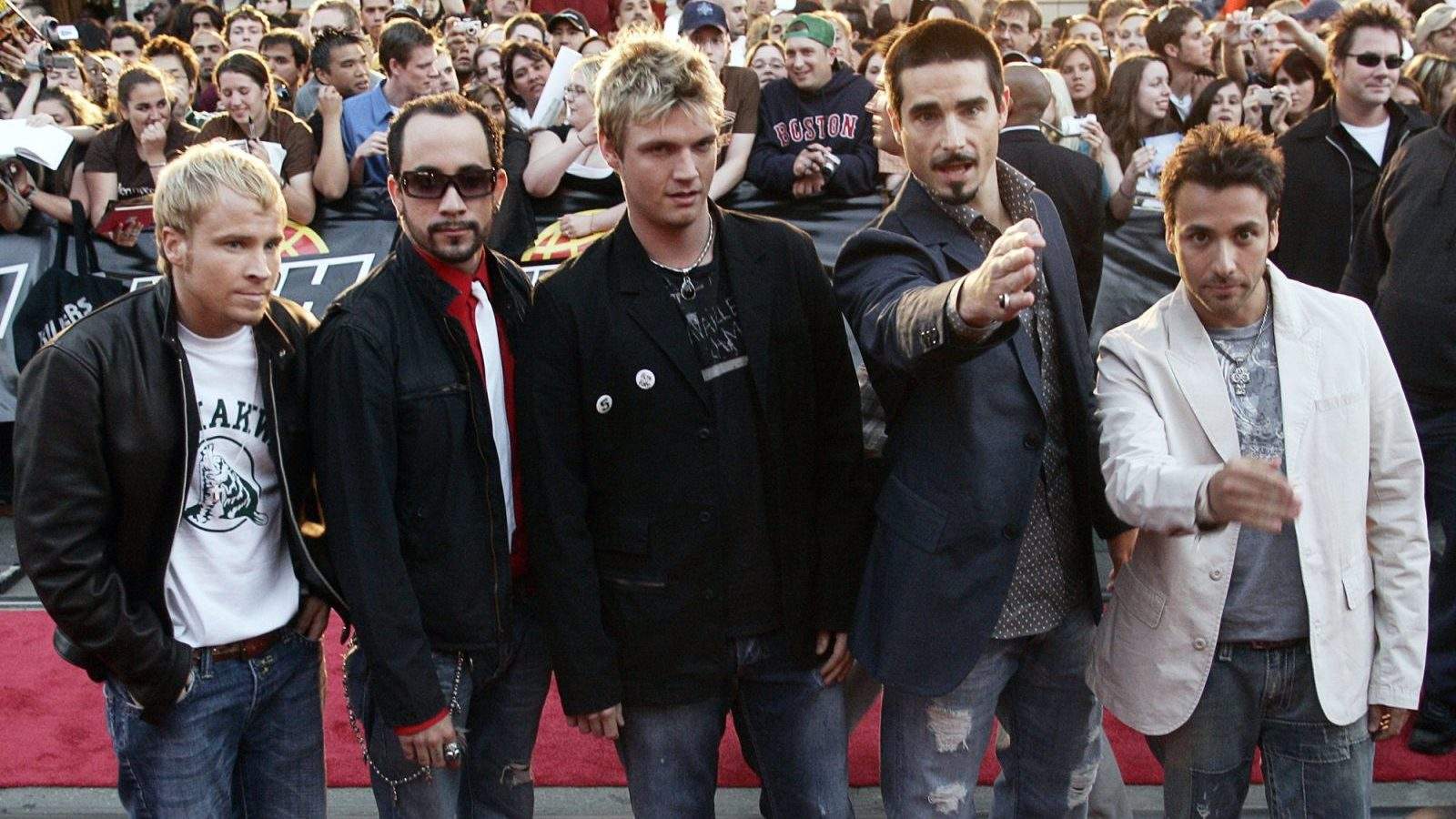
Jumping from a reality television cast to a 12,500-capacity arena in twelve months happens through a compressed, high-risk collision of algorithmic discovery, parasocial loyalty, and pre-sold tour routing, not overnight organic artistry. While the surface story looks like a fairy tale of sudden fame, the mechanics underneath resemble a precision-engineered financial sprint. When an act such as Manifest moves from television screens to a flagship venue like Wembley Arena in a single year, someone is absorbing massive risk, and someone else is collecting fees at every turn.
I have watched the live music and television industries collide for over two decades. Usually, that collision produces wreckage. A contestant leaves a show with a burst of social media followers, plays a handful of cramped clubs to lukewarm crowds, and fades before their second single drops. Booking an arena within a year breaks every traditional rule of artist development, where acts typically spend five to eight years grinding through pub circuits, support slots, and theater tours to prove they can move tickets.
Pulling off that leap requires treating a television appearance as a top-of-funnel marketing blitz rather than a career finish line. It also demands a team willing to gamble on timing before the novelty wears off.
How Reality TV Rewires the Traditional Ticket Ladder
Traditional music careers are built on gradual proof of concept. A promoter looks at last year's box office numbers in Manchester, Bristol, and London before offering a bigger room next time. Reality television bypasses that slow ladder by handing an act millions of eyeballs in a matter of weeks.
Viewers do not just hear a song on television. They watch personalities under pressure, pick favorites, argue in comment sections, and form parasocial bonds that feel more immediate than listening to a studio track on a commute. When an act exits a high-visibility show, their conversion window is narrow and urgent. Wait eighteen months to tour, and the audience has moved on to the next season's cast.
A television audience is borrowed attention. Converting borrowed attention into paid box office demand before the broadcast fades is the central gamble of the one-year arena jump.
That urgency changes how live booking agents evaluate risk. Instead of relying solely on streaming metrics or club histories, agents look at viewer retention, clip virality, and audience overlap with established touring demographics. If a reality show captures a passionate base in Greater London and across the UK, a major venue like Wembley Arena suddenly looks less like a pipe dream and more like a time-sensitive event play.
The Economics Behind a Twelve-Month Arena Leap
Let us be candid about the math. An arena show is not cheap to mount. Production costs, staging, lighting rigs, sound engineering, security, union crew rates, and venue deposits stack up fast. Even when a promoter covers upfront production or offers a guarantee, those numbers are tied to ticket sales velocity and projected gross.
So how does an act with a single year of post-show momentum justify an arena? Usually through one of three structural levers, or a combination of them:
- Eventization over legacy: An arena night can be packaged as a celebratory milestone or cultural moment tied directly to the show's aftermath, turning casual viewers into one-night event attendees even if they do not buy deep catalog tracks.
- Bundled brand and media support: Television networks, record labels, management companies, and commercial sponsors sometimes align around a high-profile showcase to maximize cross-platform content and publicity.
- Aggressive routing and marketing spend: Heavy paid social advertising, short-form video pushes, and targeted radio or press blitzes compress months of awareness building into weeks.
None of this guarantees a sellout. I have seen heavily hyped shows face papered houses, dynamic pricing backlash, or last-minute venue downgrades when early ticket sales stall. A 12,500-capacity room punishes hesitation. Every unsold seat at that scale carries real financial weight.
Suppose a hypothetical management team books an arena six months after a reality show finale, banking on a spike of two million social followers. If only four percent of those followers live within traveling distance and only ten percent of that local slice buys a ticket, the math gets tight quickly. That is why venue sizing in the first year is a high-wire act between ambition and overreach.
Why One Turbulent Year Leaves Scars
Calling a twelve-month surge "turbulent" is rarely an exaggeration. Rapid ascent puts immense pressure on an act that may still be learning how to sing or perform live night after night in front of thousands of people. Television production is controlled, edited, and supported by house bands, backing tracks, and vocal coaching. An arena stage is unforgiving. Every flat note echoes, and every dead spot in pacing feels magnified.
There is also whiplash behind the scenes. Management shifts, label priorities recalibrate, and public scrutiny intensifies once the show ends. During broadcast, a storyline shields or defines a contestant. Afterward, the act has to answer a harder question: Who are you when the cameras stop manufacturing drama?
The Trap of Manufactured Momentum
Manufactured momentum has a shelf life. Algorithms reward novelty, conflict, and immediate reaction, not patience. An act that relies purely on reality TV oxygen risks becoming a legacy act before they have even built a catalog.
Worse, hardcore music fans sometimes view reality TV alumni with skepticism. They look for craft, songwriting, and authenticity, and they can spot a cash-grab or an under-rehearsed show from the upper tier. Winning over skeptical listeners requires live credibility, not just television familiarity.
Burnout and Creative Friction
Moving at warp speed leaves very little room for creative development. Writers' rooms, studio sessions, rehearsals, press junkets, and live dates collide on the same calendar. Exhaustion creeps in. Creative voices get crowded out by stakeholder opinions from managers, A&R executives, PR teams, and promoters all trying to protect their piece of a fast-moving asset.
What Separates Flash-in-the-Pan Hype From Staying Power
Not every fast arena booking is a mistake. Some acts genuinely possess the charisma, vocal command, and work ethic to grow into the rooms they book early. When that happens, the rapid jump acts as a career accelerator rather than a trap.
The difference usually shows up in a few unglamorous areas. Does the act have strong core songs that hold up without television context? Are they investing in live rehearsal and vocal stamina instead of coasting on clips? Is the team structure transparent about recoupment, ticket splits, and long-term pacing rather than chasing a single headline?
There is no single formula that guarantees survival after a whirlwind year. Reality television can hand an artist a megaphone on day one, yet only consistent live execution and relatable material keep people coming back on year three.
Keep your eyes on what happens after the confetti settles and the television recap clips stop trending, because that second year tells the real story of whether the arena was a launchpad or a high-water mark.