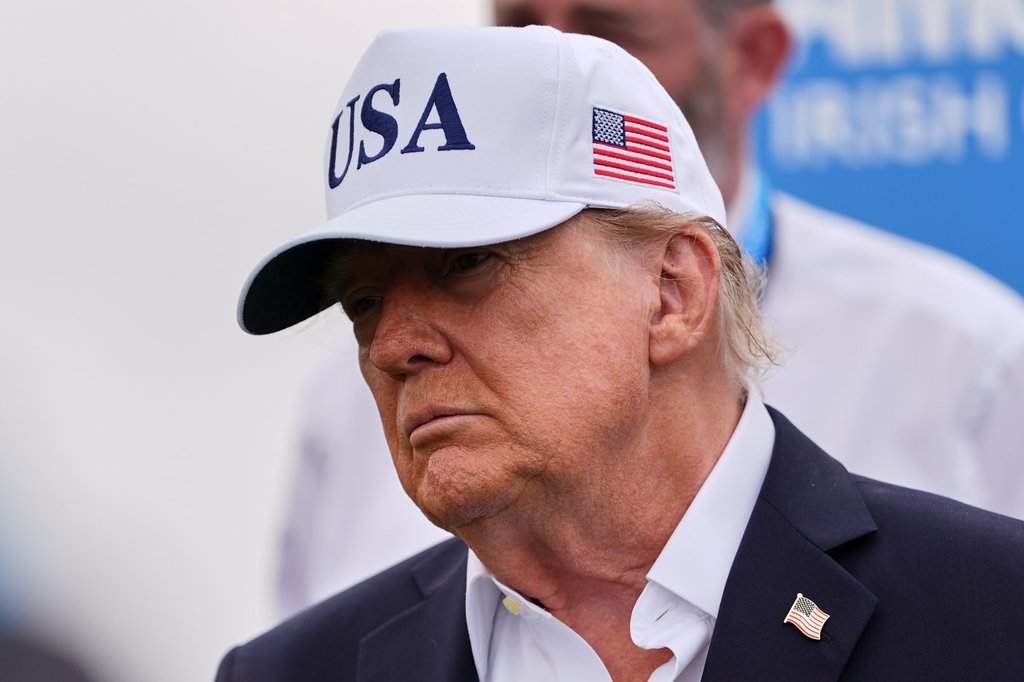
The strategic calculus of long-range drone warfare has collided head-on with domestic political anxiety in Washington, creating a bitter rift over Russian diesel production capacity. When United States President Donald Trump publicly demanded that Ukrainian President Volodymyr Zelenskyy halt military strikes against Russian oil refineries, he pointed to a tightening global fuel market and rising prices at American pumps. Yet, looking past the political rhetoric reveals a much more complex industrial reality: a systematic campaign by Kyiv to throttle Moscow's capacity to refine crude oil into high-value distillates is working precisely as intended, even as it panics international energy planners.
To understand the friction between Washington and Kyiv, one must look closely at how the conflict has evolved beyond static trench lines. Ukrainian military intelligence and domestic drone manufacturers have systematically targeted primary distillation units across western and central Russia. By striking complex machinery such as vacuum distillation towers—equipment that cannot be easily replaced due to international trade restrictions and Western sanctions—Kyiv has clipped the wings of Russia's petrochemical sector.
Independent energy assessments indicate that these persistent drone operations have successfully knocked out a significant percentage of Russia's daily crude processing capacity. When a refinery suffers structural damage to its catalytic crackers or alkylation units, it cannot simply be patched up with local hardware store supplies. The specialized engineering required is subject to strict export controls. Consequently, Moscow has faced acute domestic supply squeezes, forcing the Kremlin to implement export curbs on diesel to prioritize internal agricultural and transport needs.
The Trump administration's reaction highlights a fundamental tension between managing short-term consumer fuel prices and supporting an ally's asymmetric war strategy. Officials in Washington have argued that constricting global diesel flows destabilizes markets already jittery from broader geopolitical conflicts in the Middle East. In response, the White House floated controversial administrative workarounds, including temporary sanction waivers aimed at enticing stalled Russian diesel stocks out of storage terminals and into international shipping lanes.
Yet, these diplomatic maneuvers have run into heavy legal and logistical resistance. Oil traders, fearing secondary sanctions from the U.S. Congress and facing severe compliance hurdles, have largely shunned barrels linked to the arrangement. Tankers flagged under suspicious registries have lingered off ports with minimal commercial takers, proving that executive pronouncements cannot easily override statutory legislative bans or corporate risk aversion.
President Zelenskyy has defended the drone campaign as an existential necessity, noting that Russia's energy sector directly funds and fuels the ongoing invasion. From Kyiv's perspective, halting strikes on refineries without reciprocal guarantees or an immediate surge in advanced air defense systems like Patriot interceptors would hand Moscow an unearned sanctuary. Ukrainian leadership maintains that economic pressure on Russia's fuel export revenue is one of the few effective levers available to counter relentless glide-bomb and missile attacks on Ukraine's own electrical grid.
The standoff exposes the limits of external leverage in a war of attrition. As long as energy infrastructure remains a primary engine of state revenue for Moscow, Kyiv views distillation columns and tank farms as legitimate military objectives. Washington's urgent push for stability in distillate markets collides directly with Ukraine's strategy of economic strangulation, leaving both capitals locked in a tense disagreement over what constitutes acceptable collateral damage in a globalized economy.