The modern ecosystem of collegiate athletics resembles a high-stakes financial exchange more than an extension of campus life. Decades of amateurism traditions evaporated following landmark antitrust rulings and state-level name, image, and likeness legislation. This legal fragmentation created a chaotic recruiting environment where boosters, collectives, and multi-million-dollar endorsement deals dictate where elite athletes play.
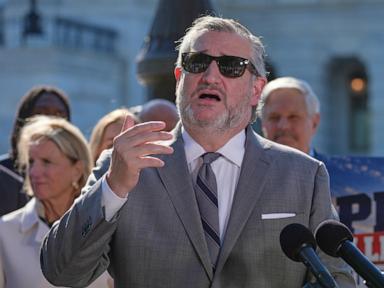
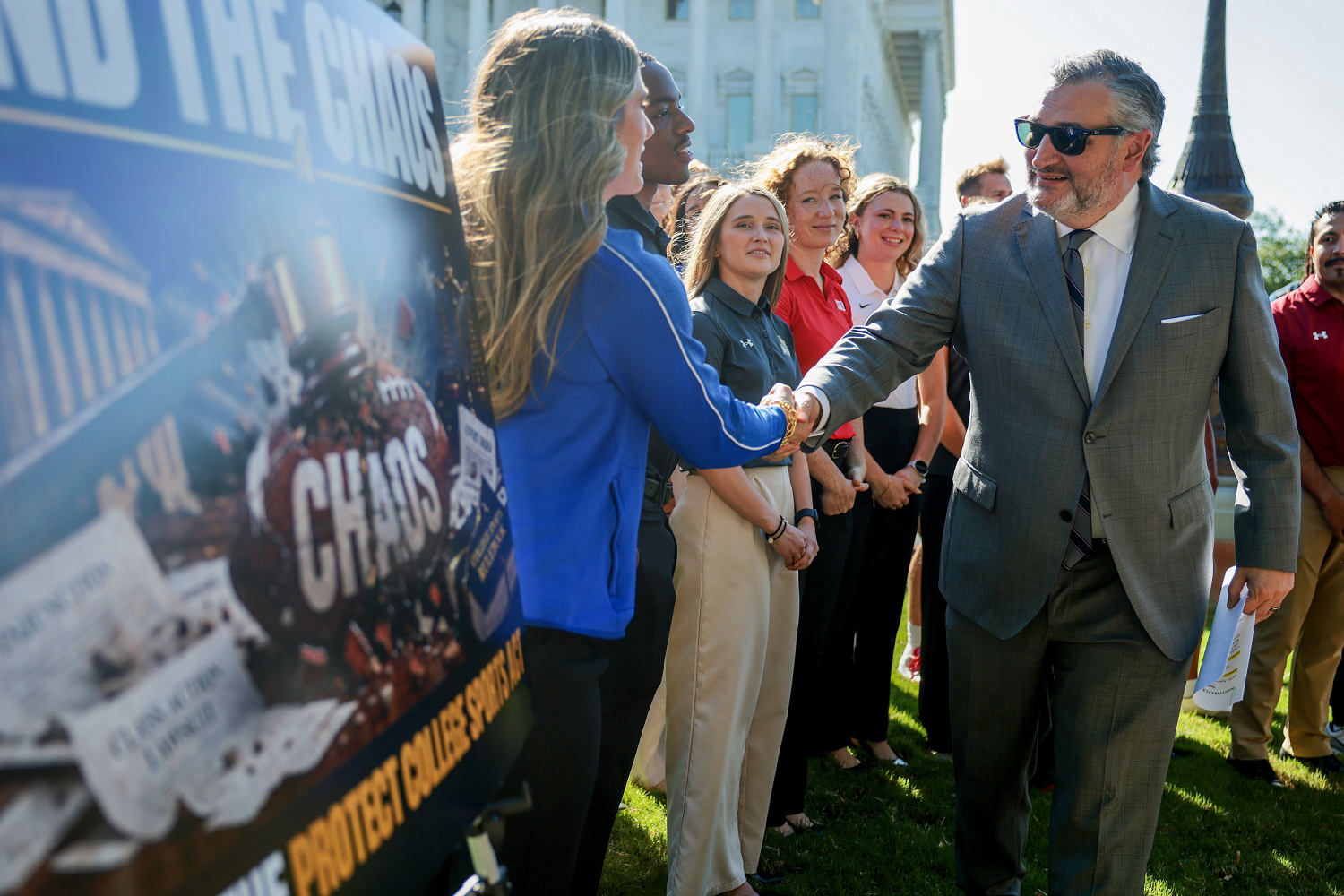
In response to this structural upheaval, the United States Senate passed the Protect College Sports Act with a decisive 77-22 bipartisan vote. Authored by Commerce Committee leadership, the legislation aims to establish a unified federal framework over a system currently fractured by competing state laws. Yet, pushing a sweeping federal bill through the legislative labyrinth during a lame-duck session remains a monumental hurdle.
The Anatomy of Federal Intervention
For years, collegiate sports administrators watched helplessly as federal courts systematically dismantled NCAA enforcement power. Transfer restrictions fell. Compensation models shifted overnight. Schools in states with permissive NIL laws gained immediate recruiting advantages over institutions bound by more restrictive state statutes.
The proposed federal solution attempts to re-establish order by preempting this patchwork of state regulations. Under the legislation, a uniform national standard would govern student-athlete compensation, agent representation, and multi-year health benefits. Crucially, the bill introduces limited antitrust protections designed to give governing bodies the legal backing necessary to enforce transfer windows and roster limits without facing immediate court injunctions.
Consider a hypothetical athletic department at a mid-tier public university trying to budget for the upcoming fiscal year. Under current conditions, athletic directors cannot predict what roster rules, player compensation caps, or transfer frequencies will apply from one season to the next. The federal act attempts to freeze this moving target by codifying a single-transfer rule with narrow exceptions, alongside structured revenue-sharing guidelines that protect smaller athletic programs from immediate financial insolvency.
The Fault Lines in Washington
Despite the overwhelming bipartisan margin in the upper chamber, the path forward is fraught with political friction. Critics from across the political spectrum argue that the legislation trades fundamental labor rights for institutional stability. Progressive lawmakers contend that capping compensation and restricting player movement suppresses free-market earning potential for young adults who generate billions in television revenue.
Conversely, fiscal conservatives question the wisdom of granting federal antitrust exemptions to a private association. The debate forces a fundamental question about the identity of the modern student-athlete. Are they educational scholars participating in extracurricular athletics, or are they professional employees deserving of collective bargaining rights? The bill attempts to sidestep this binary by mandating health coverage extensions and academic support guarantees while preserving the legal fiction of amateurism.
The Clock Runs Out
Time remains the primary antagonist for proponents of the bill. Major legislative pushes during post-election congressional windows face intense competition from must-pass federal budgets and shifting political alignments. Lobbying groups representing athletic directors, university presidents, and Olympic sports federations continue a massive public relations blitz, warning that non-revenue sports face elimination if funding streams remain diverted toward football and basketball bidding wars.
Without congressional action, the courts will continue to define the boundaries of college sports one injunction at a time. Athletic departments will keep adapting to an unfiltered marketplace where stability is temporary and litigation is constant. The Senate vote demonstrated a rare bipartisan appetite for federal intervention, but turning a Senate resolution into the law of the land requires navigating an entirely different set of political realities before the clock expires.