The Anatomy of an Industrial Collapse
Steel is rarely just a commodity. In towns like Rotherham and Stocksbridge, it is the structural tissue holding communities together, a heavy industrial heartbeat forged over generations. When the British government announced its move toward the public acquisition of Speciality Steel UK, it was not merely an economic rescue mission. It was an admission of structural failure, a desperate intervention to catch an asset plummeting through the floorboards of the private market. More than 1,300 jobs hung in the balance. Yet the human cost is only half the story. Behind the government’s sudden pivot lies a tangled web of failed corporate promises, international market shocks, and a stark awakening regarding national industrial sovereignty.
The business had been lingering in administrative limbo since entering liquidation, weighed down by historical baggage and a complete evaporation of investor confidence. For months, ministers pinned their hopes on a private sector buyer, entering exclusive negotiations with Norwegian firm Blastr. Due diligence dragged on. Hopes flickered. Ultimately, the arithmetic did not add up. The proposal on the table could not guarantee long-term operational stability. When that private rescue vehicle crashed into the reality of high operational costs and capital deficits, Whitehall was left with two choices. Allow a critical domestic manufacturing capability to dissolve into scrap or step into the breach with public funds.
The Broken Promise of Private Rescue
The collapse of the Blastr deal exposes the deep structural rot plaguing European manufacturing. Operating high-grade electric arc furnaces requires predictable, competitive energy inputs. British industrial electricity prices have consistently lagged behind continental rivals, placing domestic producers at a severe disadvantage. When energy-intensive industries face high baseline power costs alongside a global glut of cheap imports, private equity loses its appetite for risk.
Critics from opposition benches argued that the decision smacked of ideological state intervention. Business Secretary Jonathan Reynolds pushed back hard against that framing, insisting that inaction was never a viable option. Yet the transition from private mismanagement to public ownership highlights a recurring British economic trauma. Whenever a sprawling industrial empire implodes, the state is inevitably summoned to clean up the mess. The previous years of corporate stewardship left behind facilities starved of modern capital expenditure, relying on aging infrastructure to produce materials that demand absolute precision.
Securing the Arsenal of Democracy
To understand why Whitehall could not simply let Speciality Steel UK vanish, one must look beyond commercial balance sheets and into defense supply chains. Speciality Steel UK is not producing low-grade rebar for commercial office blocks. Its mills in South Yorkshire and the West Midlands churn out high-integrity alloys essential for national security.
We are talking about specialized metallurgical products integral to aircraft landing gear, helicopter rotors, advanced missile systems, and artillery casings. Handing over domestic capability for munitions manufacturing to the whims of volatile global supply chains is a geopolitical hazard few serious defense strategists are willing to stomach. In an increasingly fractured geopolitical climate, relying entirely on foreign imports for critical military metallurgy is a strategic vulnerability. The nationalisation move is, at its core, a defensive maneuver to protect sovereign manufacturing capacity for defense. When a nation loses the ability to forge the metal required for its own defense equipment, it ceases to be an independent power.
The Long Shadow of Corporate Malfeasance
The current predicament cannot be separated from its turbulent parentage. Speciality Steel UK was once a crown jewel within Sanjeev Gupta's sprawling Liberty Steel empire. The rise and subsequent fragmentation of Gupta's operations remain one of the most cautionary tales of modern industrial finance. Driven by aggressive debt-fueled acquisitions, the empire expanded rapidly before collapsing under the weight of financial scandals and the implosion of its primary lender, Greensill Capital.
As the corporate structure disintegrated, operating companies were left isolated and starved of working capital. While executives scrambled to restructure debt across multiple jurisdictions, the plants themselves endured years of uncertainty. The Serious Fraud Office launched investigations into suspected fraud, fraudulent trading, and money laundering surrounding the financing of companies within the Gupta Family Group Alliance. That ongoing legal cloud made finding a credible, long-term private buyer immensely difficult. Any serious investor had to weigh the operational challenges of steelmaking against the lingering specter of historical liabilities and regulatory inquiries.
Hard Truths for the Future of Public Ownership
Public acquisition is not a magic wand. Moving an industrial asset into state control creates immediate operational breathing room, but it does not magically solve the underlying economic pressures. Energy costs remain stubbornly high. Global overproduction, driven heavily by excess capacity in Asian markets, continues to depress international prices. The government now faces the arduous task of charting a commercially viable path forward for facilities that private capital ultimately deemed too risky.
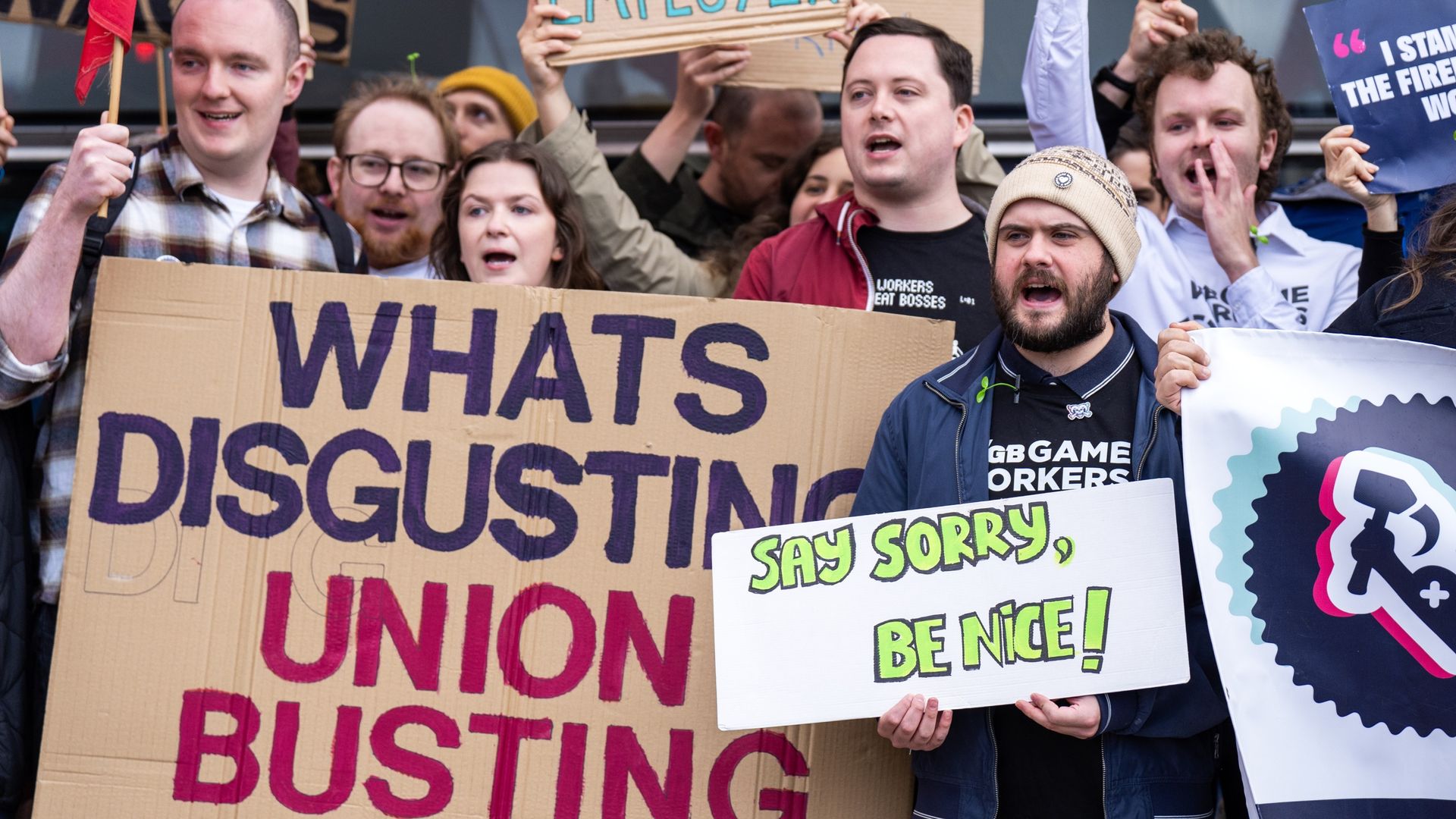
Local leaders and trade unions have welcomed the intervention, viewing it as a vital firewall against economic devastation in regions that have weathered decades of deindustrialization. Yet the long-term roadmap remains murky. Whether the state intends to modernize the electric arc furnaces, integrate production more closely with domestic defense procurement, or eventually package the assets for a secondary private buyer is an open question. What is certain is that the era of hands-off industrial policy in Britain has reached its expiration date, replaced by a reluctant, pragmatic state capitalism dictated by the hard necessities of national survival.