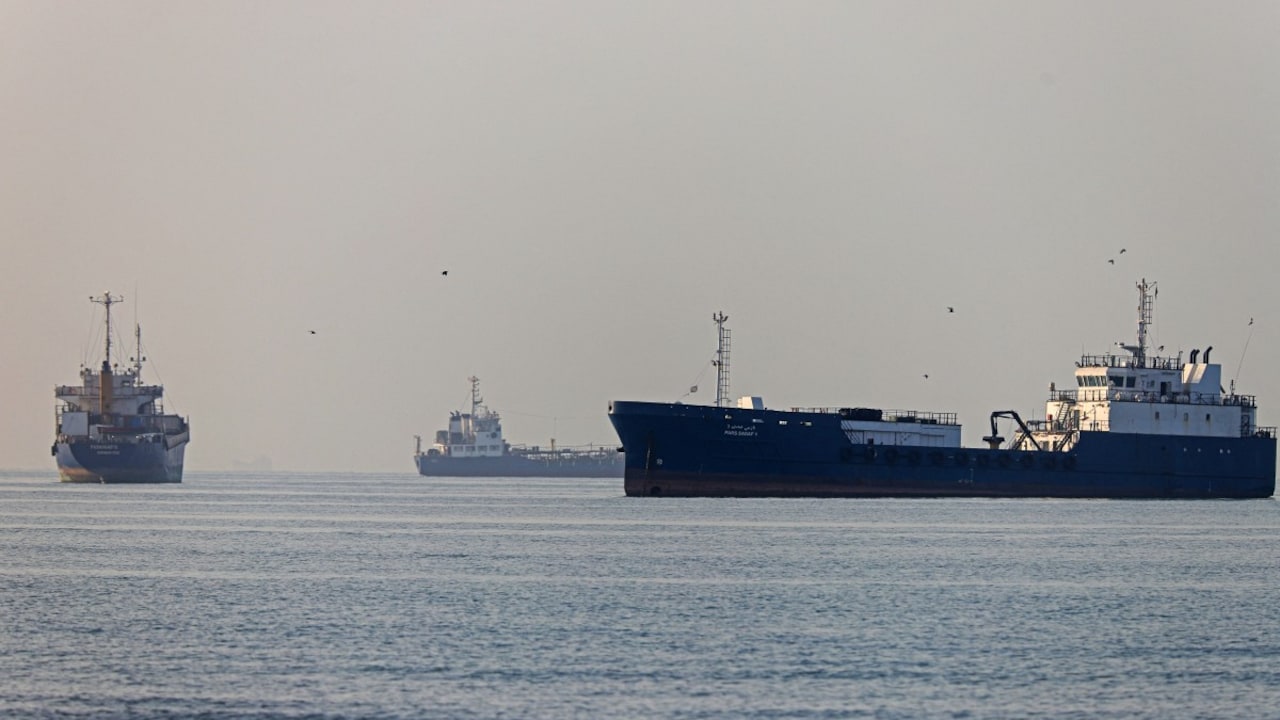
The fragile interim peace between Washington and Tehran has shattered in spectacular fashion, plunging global energy corridors back into active conflict. Hours after the US Treasury Department revoked the general license allowing Iranian oil exports, the Pentagon launched massive retaliatory airstrikes against Iranian military installations. This rapid escalation follows a series of drone and missile strikes on three commercial tankers transiting the crucial Strait of Hormuz. The baseline reality is that the diplomatic breakthrough brokered in June is functionally dead, and the global economy is once again staring down a major maritime bottleneck.
What the mainstream reporting frames as a sudden breakdown is actually the inevitable result of a deep structural flaw in the June 17 memorandum of understanding (MOU). While Washington viewed the pact as a performance-based test of Tehran’s behavior, Iran treated it as an endorsement of its sovereign right to control, and tax, the world’s most critical chokepoint. The outcome is an immediate return to open hostility, a 5% spike in oil futures, and a complete freeze on safe passage through the Gulf. Building on this theme, you can find more in: Why the New India Indonesia Defence Deal Matters Way More Than You Think.
The Illusion of the Performance Based Peace
The collapse of General License X reveals the fundamental disconnect that doomed the Pakistan-mediated talks from the beginning. When the Trump administration signed the 14-point MOU last month, the White House made it clear that sanctions relief was entirely conditional on good behavior. Tehran, dealing with the internal instability following the death of Supreme Leader Ali Khamenei in February, initially accepted the terms to unlock desperate revenue channels.
The mechanism was simple. The US lifted its blockade of Iranian ports and allowed oil exports; in return, Iran promised to ensure the safe passage of commercial vessels through the Strait without charging tolls. Analysts at USA Today have provided expertise on this trend.
But the text of the agreement contained a fatal ambiguity. Paragraph 5 required Iran to use its "best efforts" for safe passage, while Paragraph 10 promised the restoration of energy exports. Iran interpreted this as a bilateral acknowledgment of its regulatory authority over the waterway. The Trump administration, conversely, viewed the waiver as a carrot that could be yanked back at the first sign of friction.
By revoking the waiver and replacing it with a strict 10-day wind-down period via General License X1, the US Treasury intended to impose swift consequences. Instead, it triggered an immediate military response.
The Battle for the Omani Route
The immediate catalyst for the current violence is a fierce, unpublicized turf war over a new shipping corridor along the coast of Oman.
Following the initial closure of the Strait earlier this year, Muscat proposed an alternative southern route that would keep international commercial traffic safely within Oman’s Exclusive Economic Zone, away from Iranian coastal batteries. The US military enthusiastically backed the plan, going so far as providing direct air cover for ships opting for the Omani path.
[The Gulf] ----> (Old Route: Close to Iranian Coast / Bandar Abbas)
            ----> (New Route: Southern Corridor / Omani Coastline)
Tehran saw this southern shift as an existential threat to its geopolitical leverage. If global shipping could bypass Iranian waters entirely, the Islamic Republic would lose its primary economic blackmail tool. Iranian foreign ministry officials quickly insisted that providing security in the region is a costly service, demanding that passing ships pay a compulsory fee or risk being targeted. Western shipping interests rightly labeled this a state-sponsored protection racket.
When QatarEnergy’s laden LNG tanker, the Al Rekayyat, and the Saudi-flagged Wedyan attempted to utilize the US-protected Omani route, Iran struck back. Drone and missile attacks hit three tankers within a single day. The messaging from Tehran was unmistakable: use our designated lanes and prepare to pay, or do not transit at all.
The Cost of Escalate to De escalate
The American response was swift and disproportionate. US Central Command launched a wave of airstrikes targeting eight times more assets than the previous localized strikes in late June.
- Coastal Defense Infrastructure: Radar installations and surveillance systems around Bandar Abbas and Qeshm Island were neutralized to disrupt Iran’s maritime tracking capabilities.
- Asymmetric Launch Sites: Anti-ship cruise missile batteries and drone launch facilities near Sirik were hit by precision-guided munitions.
- Air Defense Networks: Ground-to-air missile sites were systematically targeted to ensure total US air superiority over the Strait.
This is the classic "escalate to de-escalate" strategy, but it carries immense risk. By striking mainland Iranian military infrastructure during highly sensitive funeral processions for the late Supreme Leader, Washington has left the pragmatic faction within Iran’s government with zero room to maneuver. Hardliners like Mohsen Rezaei, military adviser to the new leadership, have already used state television to declare that the US intentionally led negotiations to failure.
Global Supply Chains Caught in the Crossfire
The immediate economic fallout extends far beyond the oil markets. While a 5% jump in crude futures affects fuel prices globally, the disruption to Liquified Natural Gas (LNG) distribution is far more acute.
Following the attacks, ship-tracking data showed an immediate chilling effect. Total weekly transits through the Strait dropped from 262 to 211 vessels in a matter of days. High-profile turnarounds, such as the Qatari LNG tanker Al Areesh, demonstrate that maritime insurance syndicates are no longer willing to gamble on US air cover.
| Vessel Name | Status | Cargo Type | Destination / Impact |
|---|---|---|---|
| Al Rekayyat | Struck by drone | LNG | Structural damage near engine room |
| Wedyan | Attacked | Crude Oil | Saudi-flagged transit disrupted |
| Al Areesh | Aborted Transit | LNG | Forced U-turn; diverted from Strait |
This maritime freeze has hit developing economies with brutal immediacy. Pakistan, which relied on a specialized back-channel deal with the Revolutionary Guards to guarantee its Qatari gas shipments, has been abruptly forced back onto the hyper-expensive spot market. Amid a scorching summer heatwave, the country faces rolling blackouts because it can no longer safely import the fuel required to run its power grid.
The Unresolved Leverage Problem
The conflict cannot be resolved in a vacuum because Iran’s regional strategy is entirely interconnected. Iranian Foreign Minister Abbas Araghchi threw another wrench into the diplomatic machinery by declaring that Tehran will not resume negotiations with the US until Israel completely halts operations and withdraws from Lebanese territory.
This introduces an impossible variable into the bilateral US-Iran equation. The June MOU was a fragile 14-point framework that purposefully sidelined the broader regional proxy wars to focus strictly on maritime freedom and immediate sanctions relief. By explicitly tying the reopening of the Strait of Hormuz to a total Israeli withdrawal from Lebanon, Iran has effectively taken the global energy market hostage to gain leverage for its regional proxies.
Washington now finds itself in a strategic corner. It cannot allow Iran to dictate the terms of international shipping lanes or extort commercial traffic via arbitrary tolls. Yet, purely kinetic responses like the latest CENTCOM airstrikes only harden Tehran’s resolve to keep the Strait closed. Every cruise missile launched by the US validates the hardline narrative in Tehran that the performance-based MOU was a trap engineered to strip Iran of its sovereign leverage while keeping core sanctions intact.
The illusion of a quick diplomatic fix via conditional waivers has evaporated. The real crisis is not that the ceasefire failed; it is that neither side has a viable plan for what comes next now that the shooting has started again. Commercial shipping fleets are drawing the only logical conclusion. They are turning around.