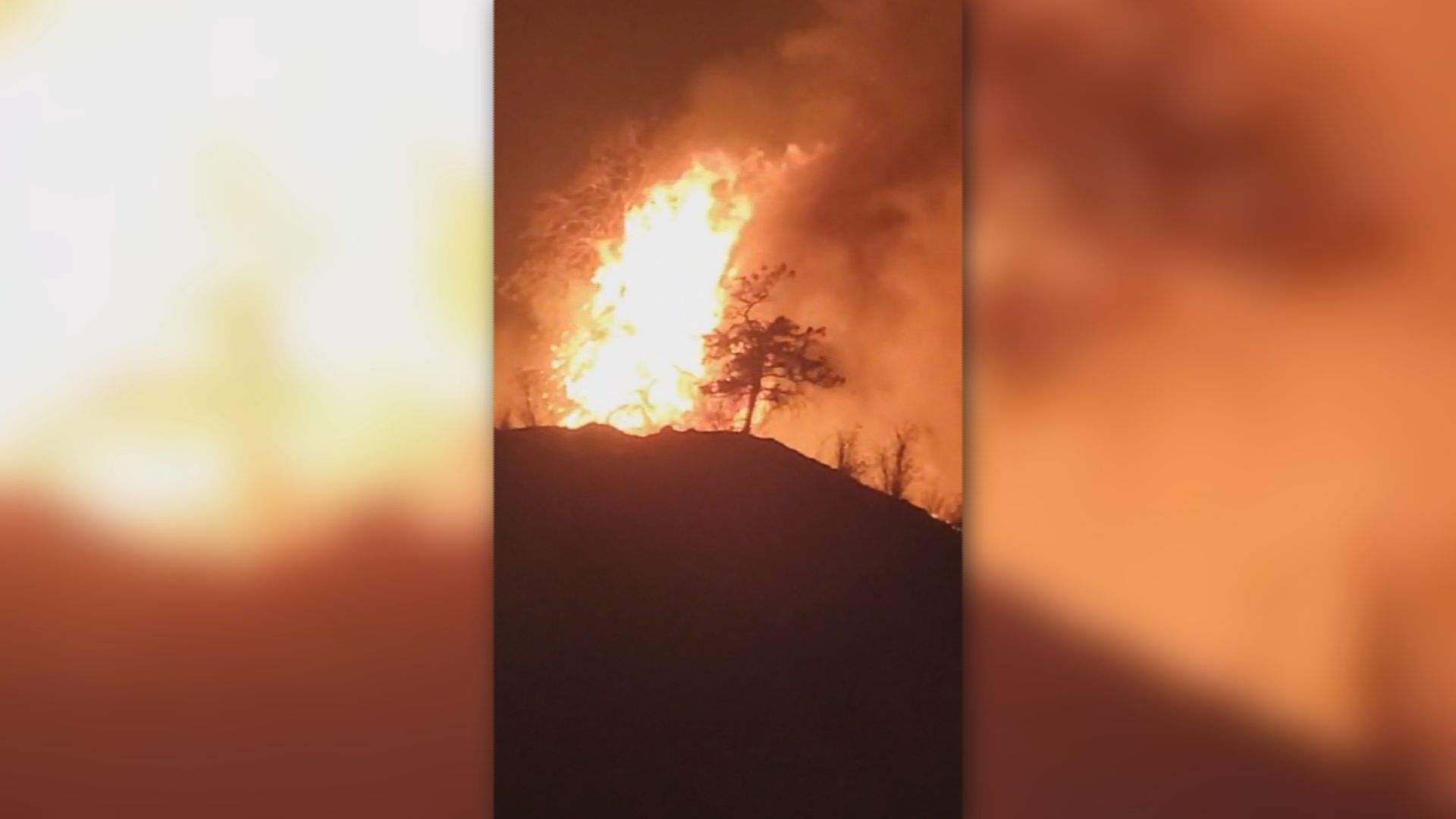
When the Bald Range wildfire tore through the hills west of Summerland, British Columbia, the speed of the disaster left little room for hesitation. Embers raced across dry acreage, forcing thousands from their homes and turning rural backroads into panicked bottlenecks. Yet beneath the overarching narrative of human displacement lies a quieter, more frantic emergency: the complex evacuation of hundreds of farm animals and sanctuary residents caught directly in the path of the flames.
Evacuating human beings during a natural disaster follows well-rehearsed protocols. Evacuating fifty horses, dozens of pigs, and scores of rescue cats is an entirely different operational nightmare.
The Logistics of Chaos
Official emergency response frameworks are built primarily around people. They account for highway capacities, reception centers, and temporary housing. They rarely account for the specialized trailers, heavy-duty hauling experience, and vast acreage required to relocate multi-species animal populations at a moment's notice.
When the fire erupted, local sanctuaries and independent hobby farms faced an impossible clock. A wildfire does not wait for municipal permits or organized convoy structures.
Consider the situation at facilities like Critteraid Animal Sanctuary, where staff and volunteers stared down an advancing wall of smoke with dozens of cats, pigs, and other rescues depending entirely on human intervention. Traditional emergency services are legally and logistically unequipped to load livestock into cramped trailers while a ridge burns behind them. That burden falls squarely on informal networks of neighbors, passing truckers, and grassroots animal welfare volunteers who mobilize through social media threads and text chains when official channels jam.
Why Animal Rescues Face Unique Dangers
Wildfires present distinct hazards for non-human evacuees that go far beyond simple proximity to fire lines.
First is the matter of infrastructure breakdown. When a fast-moving fire knocks out regional power grids, automated water systems fail instantly. Barns equipped with electric ventilation and automatic drinkers become dry traps. Farmers and sanctuary operators are forced to choose between fleeing to save their own lives or staying behind to pack heavy animals into trailers that may not clear the smoke-choked highways in time.
Second is psychological panic. Domesticated livestock and rescue animals possess acute sensitivities to smoke, atmospheric pressure drops, and the low-frequency roar of crown fires. Horses, notoriously difficult to load under normal conditions, often freeze or bolt when terrorized by the scent of burning timber.
Independent groups like the Animal Lifeline Emergency Response Team (ALERT) and impromptu volunteer coalitions stepped into this vacuum, working around the clock to pull horses, goats, and sheep from threatened pastures. These operations rely heavily on private property owners outside the danger zones offering up empty paddocks and stables on short notice.
The Gaps in Regional Disaster Planning
The recurring nature of extreme weather events across western North America exposes a structural flaw in how regional districts handle agricultural emergencies.
Pass systems designed to let farmers return to feed stranded livestock are often implemented too slowly or restricted too rigidly during the critical first forty-eight hours of a fire. By the time bureaucratic clearance is granted, roads may be entirely impassable or compromised by spot fires.
Furthermore, commercial boarding facilities with the capacity to hold large numbers of evacuated livestock are finite. When a major wildfire sparks in an agricultural hub like the Okanagan Valley, the scramble for trailer space turns into a desperate race. Facilities fill up within hours, leaving late-notified smallholders with nowhere to take their animals even if they successfully load them.
The system survives purely on the goodwill of local citizens bringing trucks, gas cans, and empty horse boxes to the front lines. Relying on ad-hoc heroism while formal emergency response plans lag behind environmental realities leaves rural communities perpetually vulnerable.
As the smoke slowly clears over the charred ridges of British Columbia, the focus eventually shifts to structural damage assessments and financial relief packages. But the physical and psychological toll on the region's animal population—and the exhausted volunteers who refuse to leave them behind—remains an unquantified cost of modern wildfire disasters.