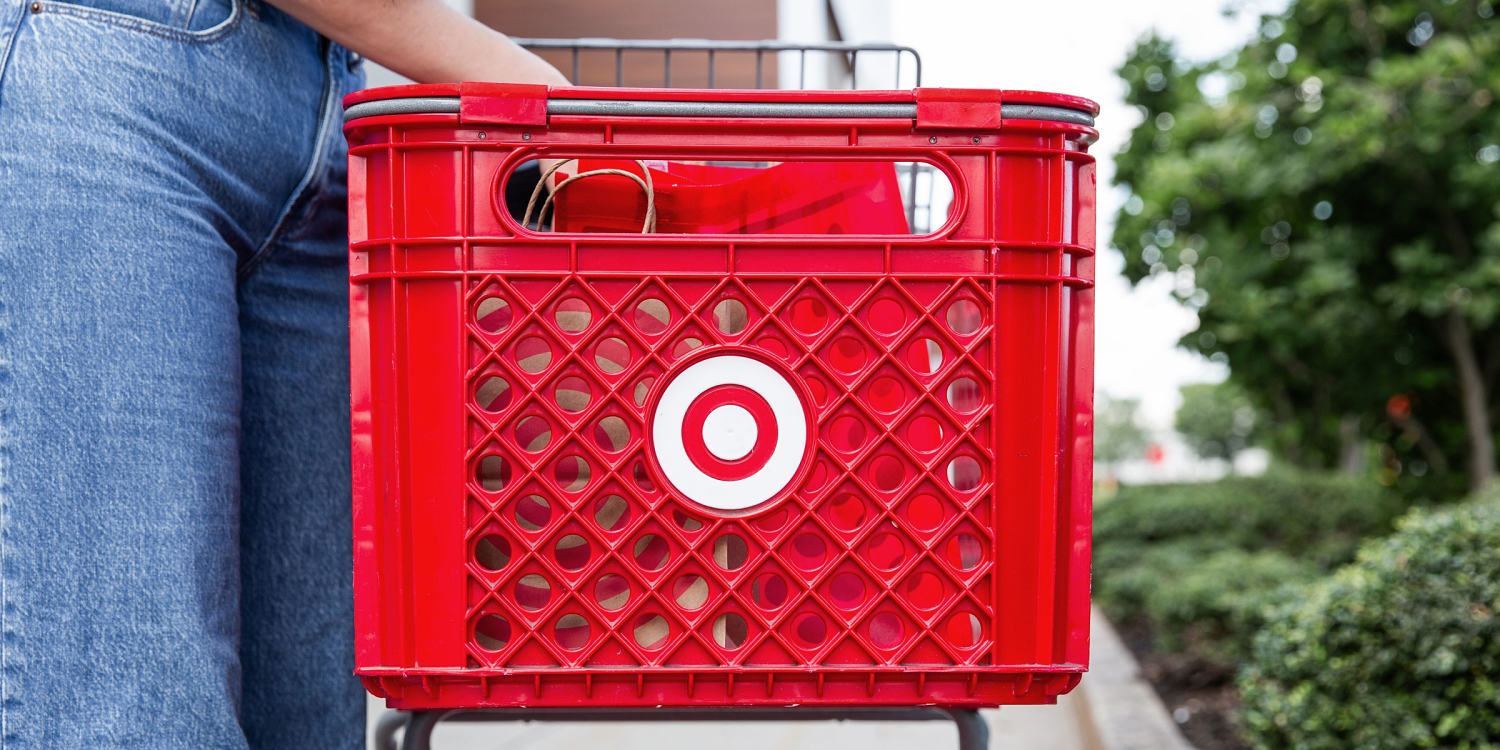
For years, retail reporters have churned out the same predictable lists every July. Target Deal Days rolls around, and thousands of shoppers rush to scoop up discounted vacuums, cheap air fryers, and marked-down denim. The headlines boast of thirty-three plus deals you cannot miss. But behind the glossy marketing banners and the manufactured urgency of a midsummer shopping holiday lies a much more cynical economic reality. These massive digital sales events are no longer about passing savings onto cash-strapped consumers. They are sophisticated inventory clearance mechanisms designed to protect corporate margins while keeping shoppers locked in a perpetual cycle of manufactured consumption.
Understanding the mechanics of Target Deal Days requires looking past the flashy percentage-off signs and examining how modern retail supply chains actually operate. Major box-store giants face immense pressure from Wall Street to maintain steady quarterly growth, even when consumer confidence wavers and inflation pinches discretionary spending. When inventory piles up in massive distribution centers due to shifting consumer habits, companies cannot simply let products sit. Warehousing space carries a heavy operational cost. Stagnant goods tie up capital that could otherwise fund expansion or shareholder dividends.
Enter the proprietary shopping holiday. By creating a compressed, highly publicized window of aggressive promotions, Target and its competitors manufacture a synthetic surge in demand. Shoppers panic-buy items they might not otherwise purchase, convinced that missing the forty-percent discount equates to a financial loss. Yet a closer examination of these marquee deals reveals that many markdowns apply to older SKU iterations, soon-to-be-discontinued product lines, or specifically manufactured budget versions of popular brands designed strictly for discount events.
The strategy works brilliantly on a balance sheet, but it gradually erodes trust. Consumers are beginning to notice that the television bought during a massive summer markdown frequently matches the baseline price offered during regular promotional cycles throughout the fall. The illusion of exclusivity is the primary driver. If an individual believes a price point exists for only forty-eight hours, the barrier to purchase drops significantly.
Beneath the surface of these digital shopping spectacles, the supplier relationship tells an even more complicated story. Independent manufacturers and third-party vendors often absorb the financial brunt of these steep discounts. Major retailers frequently demand price concessions from their supply partners as a condition of participation in headline events. Smaller brands accept these terms out of sheer necessity, knowing that missing out on the homepage feature means total invisibility in an overcrowded digital marketplace. Over time, this dynamic squeezes manufacturing margins, occasionally leading to compromised material quality or outsourced production cuts just to meet the price points demanded by corporate buying teams.
The environmental footprint of these high-velocity sales events also deserves scrutiny. A surge in online orders invariably triggers a massive wave of individual home deliveries, cardboard waste, and expedited freight logistics. When millions of consumers buy low-cost electronics or fast-fashion apparel impulsively, return rates skyrocket. Processing those returns often costs more than the item is worth, resulting in mountains of merchandise ending up in regional liquidation channels or, worse, local landfills. The hidden cost of a fifty-dollar smart speaker is paid in carbon emissions and logistical strain that no discount banner accounts for.
Navigating this retail landscape requires a deliberate shift in perspective. Instead of treating events like Target Deal Days as a rare opportunity to save money, consumers should view them for what they are: sophisticated clearance sales engineered to maximize corporate cash flow. If a household genuinely needs a specific appliance or clothing item, tracking historical pricing trends across multiple months reveals whether the promotional price truly represents a bargain.
Retail discount marathons will continue to evolve as long as shoppers respond to the psychological triggers of urgency and scarcity. Yet as inflation forces buyers to scrutinize every dollar spent, the superficial gloss of manufactured shopping holidays is wearing thin. The real story of modern retail is not found in the list of thirty-three discounted items. It is found in the quiet calculation of whether the discount is serving the buyer or protecting the seller.


