The brutal reality of the war in Ukraine has shifted from the muddy trenches of the Donbas to a high-stakes attritional battle over industrial logistics and airspace. While surface-level updates track incremental shifts in frontline territory, the true defining conflict of this summer is playing out through deep-theater strikes and a critical race for air defense ammunition. Ukraine is systematically crippling Russia's domestic fuel infrastructure with long-range drone strikes, forcing Moscow to enact a total ban on diesel exports to stave off domestic shortages. Yet, at the exact same time, Russia is exploiting a dangerous depletion of Ukrainian anti-air interceptors to rain devastating ballistic missile salvos down on Kyiv and Kharkiv.
This asymmetry reveals a stark truth. Western aid packages are failing to match the sheer consumption rate of modern, high-intensity warfare. A highly publicized agreement at the NATO summit in Ankara, Turkey—where the U.S. tentatively approved plans for Ukraine to domestically manufacture Patriot missile interceptors—exposes the growing desperation of the situation. It is an acknowledgment that Western stockpiles are running dry, transferring the burden of high-tech defense production directly into a war zone.
The Diesel Embargo and the Drone Campaign
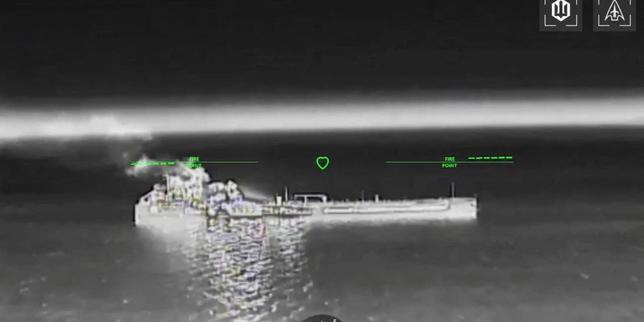
For months, Ukrainian planners have bypassed static Russian ground lines to strike at the literal engine of the Kremlin’s war machine: its oil refineries. The strategy is working, but it has triggered an aggressive, defensive reaction from Moscow. Following systematic Ukrainian drone attacks that disabled key refining units across western Russia and Siberia, the Russian government was forced to introduce a sweeping ban on diesel exports.
The domestic fallout inside Russia is tangible. Drivers face multi-hour lines at filling stations, and retail fuel prices have spiked significantly. Deputy Prime Minister Alexander Novak publicly admitted that the fuel market situation is complex and causing widespread public concern. By hitting refineries, Ukraine is targeting Russia’s primary economic artery and its military logistics network simultaneously. Tank units cannot move without fuel, and the Russian state budget cannot function without energy export revenues.
However, the Kremlin is not absorbing these blows passively. It has pivoted toward an unrestricted air campaign, gambling that it can deplete Ukraine’s air defense umbrella before its own domestic economy fractures.
The Interceptor Famine
The devastating Russian air assaults on Kyiv and Kharkiv highlight a critical vulnerability that military analysts saw coming for a year. Ukraine is running out of interceptor missiles, particularly the complex munitions required to down Russian ballistic missiles and jet-powered drones. During a single sequence of bombardments, Russia launched hundreds of drones and dozens of advanced missiles at the capital, damaging residential blocks, research institutes, and civilian infrastructure.
Ukrainian Air Defense Performance (Recent Trends)
+----------------+--------------------------+
| Period         | Interception Rate        |
+----------------+--------------------------+
| June           | ~90% (High stockpile)    |
| Early July     | Declining against ballistic salvos |
+----------------+--------------------------+
While Ukrainian air defense teams managed to intercept nearly 90% of aerial threats throughout June, the sheer volume of Russia's multi-layered strikes is overwhelming localized batteries. Russia is intentionally mixing cheap, Iranian-designed drones with sophisticated cruise and ballistic missiles. The goal is simple: force Ukraine to burn a million-dollar Patriot or NASAMS interceptor on a twenty-thousand-dollar drone, or let the drone hit a power grid node.
This inventory exhaustion led directly to the emergency diplomatic maneuvering at the Ankara NATO summit. The plan to grant Ukraine licensing to build its own Patriot interceptors sounds groundbreaking on paper, but it ignores the brutal timeline of aerospace manufacturing.
The Production Fallacy
"This way, you won't be able to complain that we aren't supplying you with enough," noted the political rhetoric surrounding the Ankara agreement.
But manufacturing a Patriot interceptor is not like stamping out artillery shells. It requires a highly specialized supply chain involving advanced radar components, solid-fuel rocket motors, and specialized guidance systems controlled by Western defense giants like Lockheed Martin and RTX Corporation.
Setting up these high-tech production lines inside a country subjected to daily ballistic missile attacks presents an almost insurmountable logistical challenge. Factories will become primary targets for Russian reconnaissance and strike packages the moment ground is broken. Furthermore, the timeline to establish functioning aerospace manufacturing of this caliber is measured in years, not months. Ukraine needs interceptors on the launchers tonight, not blueprints for a factory tomorrow.
The Frontline Stall and Human Cost
While the air war escalates, the map of the ground war remains rigidly frozen. Over the past month, Russian forces achieved a net gain of just over 30 square miles of territory across the entire front—an area barely larger than Manhattan Island. The human cost to achieve these micro-gains remains staggering, with independent estimates pointing to thousands of casualties weekly on both sides.
In the occupied territories, the situation has turned deeply coercive. A recent report from the OSCE Moscow Mechanism detailed a systematic campaign of forced Russification targeting civilians and children in occupied zones like Kherson and Zaporyzhzhia. Parents who refuse to enroll their children in Russian-curriculum schools face the termination of parental rights, while teachers face detention for refusing to teach the Kremlin's syllabus.
The conflict has evolved into a race against the clock. Can Ukraine’s asymmetric drone campaign collapse Russia's domestic fuel economy and logistics before Russia’s relentless missile barrages systematically dismantle Ukraine’s air defense infrastructure? Western allies are trying to transition from suppliers to industrial partners, but the lag time between policy decisions and factory floor output is a gap currently being filled by civilian casualties and burning energy infrastructure. The illusion of a static, frozen conflict disappears the moment one looks up at the skies over Kyiv.



