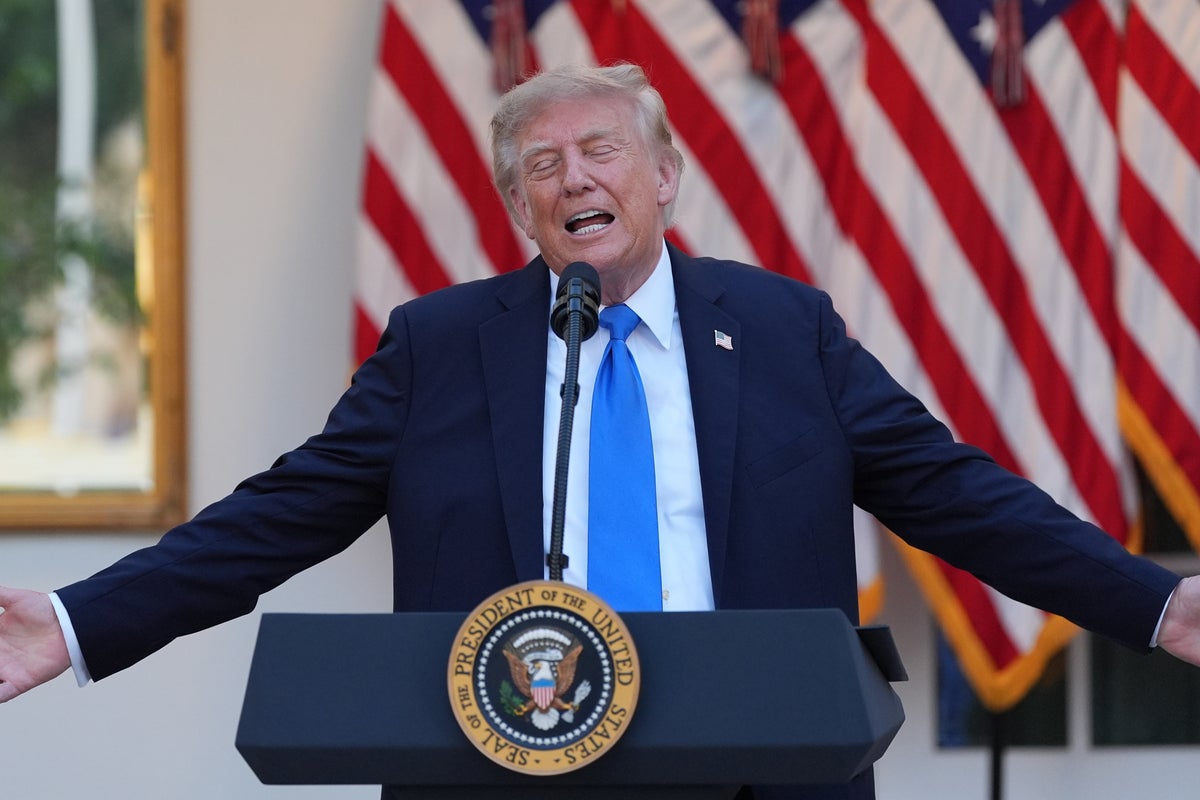
Politics loves a prop. Sometimes that prop is a hardhat, sometimes a Main Street diner counter, and occasionally, it is a tray of high-end beef burgers served on the manicured lawn of the executive mansion.
When a high-profile reception at the White House featured gourmet beef burgers against a backdrop of surging inflation, the optics triggered an immediate national backlash. Critics pointed out the jarring dissonance of serving expensive luxury meals while ordinary households struggle to absorb the unrelenting cost of basic groceries. Social media feeds filled with side-by-side comparisons of presidential catering versus supermarket receipts.
The public anger is real. Yet focusing solely on the menu misses the deeper structural mechanics governing the American food supply chain. The outrage over a Rose Garden burger menu is a symptom of a much larger economic disease, one rooted in cattle cycles, consolidation, and the illusion of executive control over global commodity markets.
The Economics of a Presidential Burger
To understand why a simple beef patty carries such heavy political baggage, look at the state of the cattle market. American ranchers have spent years liquidating their herds due to persistent droughts, soaring feed expenses, and prolonged processing bottlenecks. When herd numbers drop, supply shrinks. When supply shrinks, prices at the meat counter spike.
A gourmet burger served at a high-end political function is not priced like a fast-food value meal because the underlying commodity inputs have fundamentally changed. Meatpacking consolidation remains a quiet choke point in American agriculture. A tiny handful of massive processing conglomerates control the vast majority of the beef processing market. They dictate what ranchers receive for cattle and what retailers pay for boxed beef.
When politicians pose with upscale food items or promise immediate relief via social media proclamations, they run headfirst into the hard masonry of supply and demand. You cannot tweet away structural inflation. You cannot executive-order a cow to grow faster or a processing plant to double its output overnight. The disconnect between political rhetoric and kitchen table reality creates fertile ground for public outrage. Voters do not care about the nuance of oligopolistic meatpackers when they are paying record prices for ground chuck. They care about the symbolism. And a luxury burger on a silver platter is a terrible symbol during an affordability crisis.
Optics Versus Agriculture
Optics matter in Washington. They have always mattered. Decades ago, politicians understood the value of appearing frugal, eating simple foods, and mirroring the struggles of the working class. Today, the theater of politics often collides awkwardly with real-world financial anxiety.
When a menu featuring premium beef lands in front of cameras, it triggers an intuitive resentment. It feels out of touch. It feels like an exhibition of luxury while the kitchen table is bare. But seasoned analysts look past the theater and ask a more uncomfortable question. What happens when the political class tries to fix a supply crisis with public relations instead of policy?
The Myth of the Quick Fix
Recent political promises to slash meat prices through sheer willpower ignore the biological timelines of agriculture. Cattle ranching is a long-term enterprise. A calf born today will not yield supermarket steaks or burger patties for roughly two years. No administration can bypass biology.
When leaders pretend they can pull a lever and immediately lower the price of beef, they set themselves up for public backlash. The market operates independently of political spin. Droughts in the Great Plains, international feed grain tariffs, and corporate consolidation do not care about polling numbers.
[Political Promise] ---> Ignores Biological Delay ---> [Persistent High Prices] ---> Public Outrage
This cycle repeats itself across administrations. A crisis hits the consumer's wallet. Politicians offer a superficial response or a photo opportunity. The public spots the contradiction between the imagery and their bank statements. Outrage ensues.
The Real Price of Consolidation
Let us look past the Rose Garden lawn and examine the industrial architecture of American beef. For decades, federal policy has favored agricultural consolidation. Small independent processors have vanished, swallowed by corporate giants who prioritize margins over regional resilience.
When a single processing plant experiences a mechanical failure, a labor shortage, or a localized outbreak of disease, the shockwaves ripple through the entire national market. Ranchers are left with few places to send their cattle, while consumers face inflated prices at the local supermarket. It is a fragile system masquerading as an efficient one.
Addressing this requires more than complaining about a menu or staging photo ops with agricultural leaders. It requires antitrust enforcement, investments in regional processing infrastructure, and a willingness to confront corporate monopolies that squeeze both the farmer and the grocery shopper.
Until policymakers tackle those structural nightmares, the cost of ground beef will remain a political liability. Every time a leader poses with upscale food against a backdrop of wealth, they remind voters of the distance between the governed and those who govern.
The burger was never just a burger. It was a mirror reflecting an economy out of balance, where the cost of living climbs while solutions remain trapped in partisan theater. The outrage will fade until the next menu item drops under the spotlight, reminding everyone once again who pays for the feast and who pays the bill.