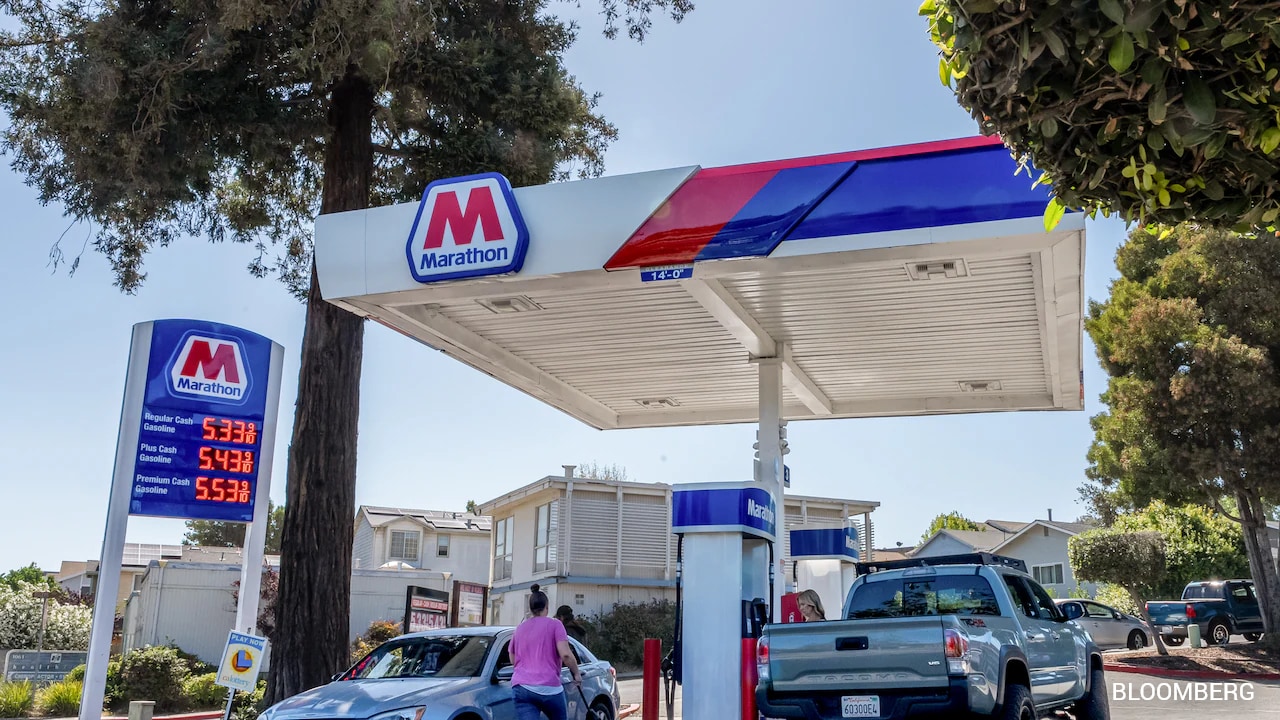
National average gasoline prices lingering stubbornly above four dollars a gallon while diesel futures smash historical ceilings have forced an uncomfortable collision between the White House and the American petroleum industry. President Trump convened a high-stakes emergency summit with top executives from major refining corporations, demanding immediate operational relief to arrest skyrocketing pump prices ahead of the upcoming midterm elections. The friction exposes the hard limits of political pressure when applied to an industrial sector already running at nearly ninety-seven percent of total capacity, caught in the vice of international conflicts, record crack spreads, and competing federal mandates.
The administration wants immediate compliance. Refiners point to structural bottlenecks that no executive order can instantly dissolve.
The Arithmetic of Bottlenecks
To understand why White House demands for lower fuel prices often crash against a wall of reality, look at the physical architecture of American petroleum processing. The United States has not built a major greenfield oil refinery since 1977. Consolidation, environmental regulations, and shifting corporate strategies toward renewable fuel conversions have steadily shrunk the domestic refining footprint over the past several decades. When demand spikes or international supply lines fracture, the remaining facilities must absorb the shock.
Recent data from the Energy Information Administration underscores this precarious equilibrium. Utilization rates across domestic refineries surpassed ninety-seven percent, a multi-year peak that leaves virtually zero operational margin for error.
Running a complex distillation unit at maximum capacity for prolonged periods invites mechanical fatigue. Refineries require scheduled maintenance windows to strip coke deposits from heater tubes, regenerate catalysts, and inspect high-pressure piping. Forcing operators to defer this essential maintenance in the name of short-term price relief risks catastrophic mechanical failures, fires, or unplanned outages that can instantly wipe out regional fuel supplies and send prices rocketing even higher.
The Crack Spread Paradox
While motorists reel from painful fill-up costs, processing enterprises are reaping extraordinary financial rewards. The diesel crack spread—the gross margin a refiner makes by converting a barrel of crude oil into heating oil or diesel—surged past one hundred dollars per barrel, shattering historical records. Gasoline margins have similarly fattened corporate balance sheets, lifting quarterly earnings for major operators like Marathon Petroleum, Valero, and Phillips 66 into the billions.
This dynamic creates a profound political liability. The White House accuses the industry of profiteering off consumer misery, pointing to massive second-quarter windfalls while working families hand over a growing share of their disposable income at local stations.
Executives counter with basic economic mechanics. In a globally integrated commodity market, refined products flow to the highest bidder. If domestic price caps or export bans were implemented, international buyers would simply outbid local distributors, starving the home market entirely and exacerbating shortages. Refiners answer to shareholders and are bound by fiduciary duty to maximize returns, particularly when cyclical volatility makes long-term capital investments an acute financial gamble. Building a new processing unit or expanding a fluid catalytic cracker requires billions in upfront capital and years of environmental permitting, a timeline that stretches far beyond any single presidential term.
The Regulatory Crossfire
Behind closed doors at executive summits, oil executives routinely turn the conversation back toward Washington's own policy choices. Federal mandates under the Renewable Fuel Standard require petroleum refiners to either blend specific volumes of biofuels into their gasoline and diesel or purchase compliance credits known as Renewable Identification Numbers (RINs) from competitors.
For independent and smaller refiners, the cost of acquiring these credits has historically functioned as a severe financial penalty, adding millions of dollars in overhead that gets directly passed down to the retail consumer at the pump. Industry leaders used the recent White House talks to push hard for rollbacks or waivers on these blending quotas, arguing that artificial regulatory drag actively inhibits fuel output when the economy can least afford it.
At the same time, the administration has experimented with unconventional levers to manage supply chains, including temporary waivers of the Jones Act—the century-old protectionist law requiring vessels moving goods between U.S. ports to be American-built, owned, and crewed. Proponents argue that suspending the Jones Act makes it cheaper to ship petroleum products from Gulf Coast production hubs to supply-starved markets on the East and West coasts. Maritime unions and domestic shippers fiercely contest the move, creating another layer of domestic political cross-currents that complicates any unified energy strategy.
Global Shockwaves and Export Realities
Domestic policy decisions rarely unfold in a vacuum. The current price spike is inextricably linked to severe international disruptions, most notably renewed military flashpoints involving Iran that threaten oil flows through vital maritime chokepoints like the Strait of Hormuz. Concurrently, persistent infrastructure attacks on Russian refining capacity, combined with constrained Chinese fuel export quotas, have created a synchronized global deficit of refined products.
The United States occupies an awkward position as the world's leading petroleum producer and exporter. Domestic firms extract and refine massive quantities of crude, but market forces incentivize substantial volumes of finished gasoline and diesel to chase lucrative overseas export markets where crack spreads remain astronomical.
Critics argue that allowing unfettered fuel exports drains domestic storage inventories to multi-decade lows while keeping local prices artificially elevated. Yet attempts to restrict exports or impose windfall profit taxes face fierce ideological and economic resistance, with opponents warning that such interventions would permanently cripple capital investment, discourage production, and ultimately guarantee chronic scarcity over the long haul.
The tension between executive jawboning and the unyielding laws of global commodity markets remains unresolved, leaving American motorists to bear the immediate cost of an industrial system operating at its absolute structural ceiling.