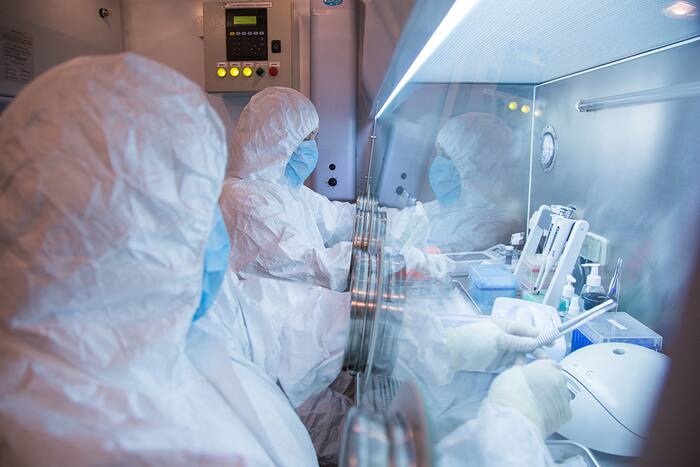
The containment breach resulting in a fatal pulmonary infection at a high-security Siberian biological research facility exposes structural vulnerabilities in institutional safety protocols. When an operator contracts a lethal respiratory pathogen of unverified etiology within a specialized pathogen handling environment, the failure extends beyond an isolated occupational accident. It indicates a systematic breakdown in biosafety engineering, administrative oversight, and diagnostic response timelines.
Understanding this incident requires deconstructing the operational architecture of high-containment laboratories. Facilities handling high-consequence pathogens operate under strict hazard categorization. The containment framework relies on a layered defense model: primary barriers, such as biological safety cabinets and sealed centrifuges; secondary barriers, including directional airflow systems and HEPA filtration arrays; and operational barriers, encompassing personal protective equipment and standard operating procedures. When a fatal infection occurs from an unknown agent, it demonstrates that one or more layers of this defensive architecture failed to isolate the biological agent from the human host. You might also find this similar story insightful: What Florida Pythons Carrying New Viruses Means for Us.
The Diagnostics Bottleneck in Undiagnosed Pathogen Events
The primary challenge in managing high-containment laboratory exposures is the identification latency of the infectious agent. Traditional diagnostic pathways depend on targeted molecular assays or culture-based isolation. When a worker presents with atypical pneumonia of unknown etiology, standard diagnostic panels frequently fail if the pathogen is novel, genetically modified, or non-endemic to the region.
This creates an operational bottleneck. The time elapsed between symptom onset, hospitalization, and agent identification dictates the window for post-exposure prophylaxis and secondary containment. In biological research facilities handling plague or related high-risk organisms, rapid genomic sequencing and metagenomic next-generation sequencing must serve as baseline protocols rather than secondary considerations. Without immediate pathogen characterization, medical countermeasures are reactive rather than targeted, increasing mortality risks for exposed personnel and complicating epidemiological tracing. As extensively documented in detailed coverage by WebMD, the effects are significant.
The Vector Analysis of Occupational Exposure
Occupational infections in biosafety facilities typically occur through specific failure vectors: aerosol generation during sample manipulation, breach of primary containment equipment, needle-stick or sharps injuries, or failure of personal protective equipment integrity.
- Aerosolization Dynamics: Laboratory procedures involving vortexing, sonication, or centrifugation of liquid suspensions containing pathogens generate micro-droplets capable of bypassing standard procedural masks if primary containment equipment operates outside design specifications.
- Administrative Control Drift: Protocol adherence degrades over time in high-frequency handling environments. Shift fatigue, high containment workloads, and normalization of deviance contribute to the relaxation of secondary verification steps.
- Surveillance Latency: Early symptoms of intracellular bacterial or viral infections often mimic common occupational illnesses, delaying self-reporting and initiating containment protocols after viral or bacterial load has reached advanced systemic thresholds.
Institutional Risk Management and Containment Governance
Biosafety governance assumes that human error is a constant variable managed by engineered fail-safes. Therefore, a fatal outcome from an unknown pathogen points directly to systemic deficiencies in engineering controls or investigative transparency. When containment facilities operate with opaque incident reporting structures, institutional learning is compromised.
To mitigate future containment failures, high-security facilities must transition from compliance-based safety models to predictive risk-modeling architectures. This requires automated continuous air-sampling systems inside containment suites, mandatory dual-operator requirements for high-risk manipulations, and decoupled regulatory oversight agencies with the authority to halt research operations independently of institutional management.
Strategic Forecast for High-Containment Facility Operations
The occurrence of fatal containment breaches forces a recalibration of international biosafety standards. Regulatory bodies will face increased pressure to mandate real-time pathogen tracking and strict limits on gain-of-function or uncharacterized isolate research. Laboratories failing to modernize their containment verification frameworks will encounter rising operational friction, insurance liability expansion, and international sanctions.
The institutional response must prioritize rapid diagnostic isolation, transparent data sharing regarding strain lineages, and the elimination of single points of failure in physical containment infrastructure.