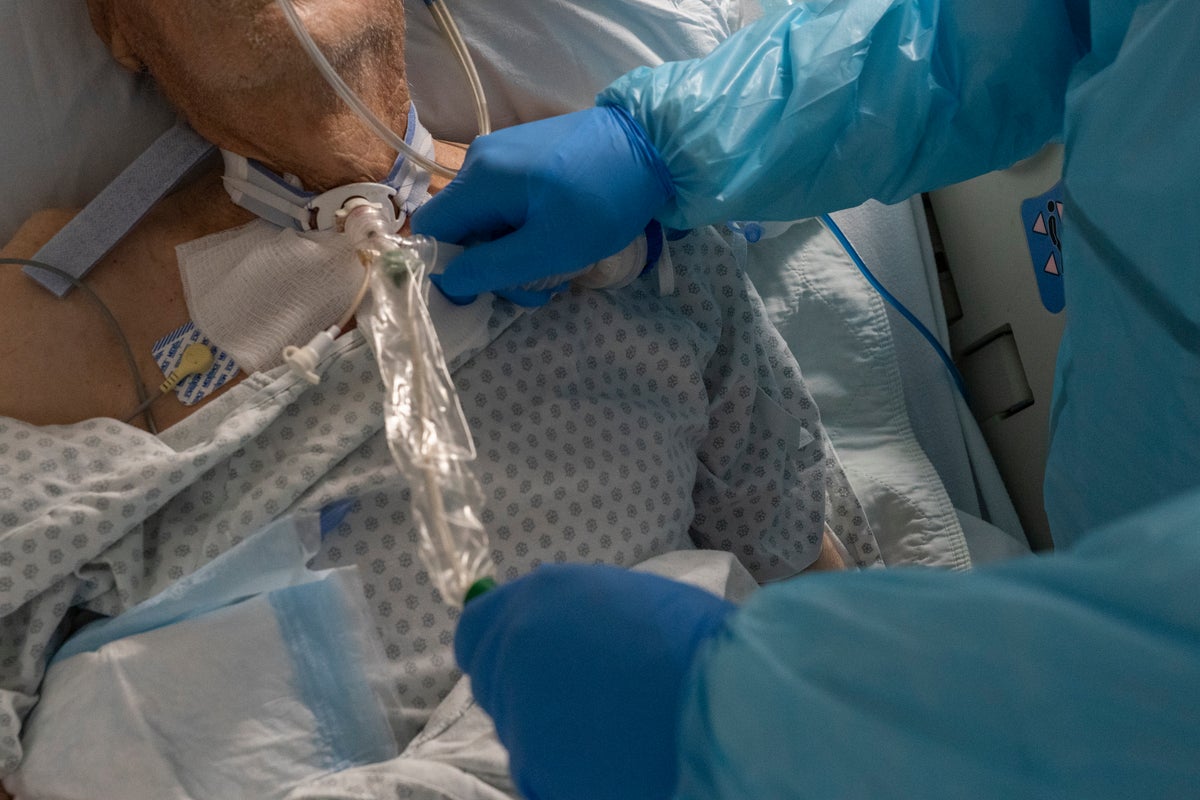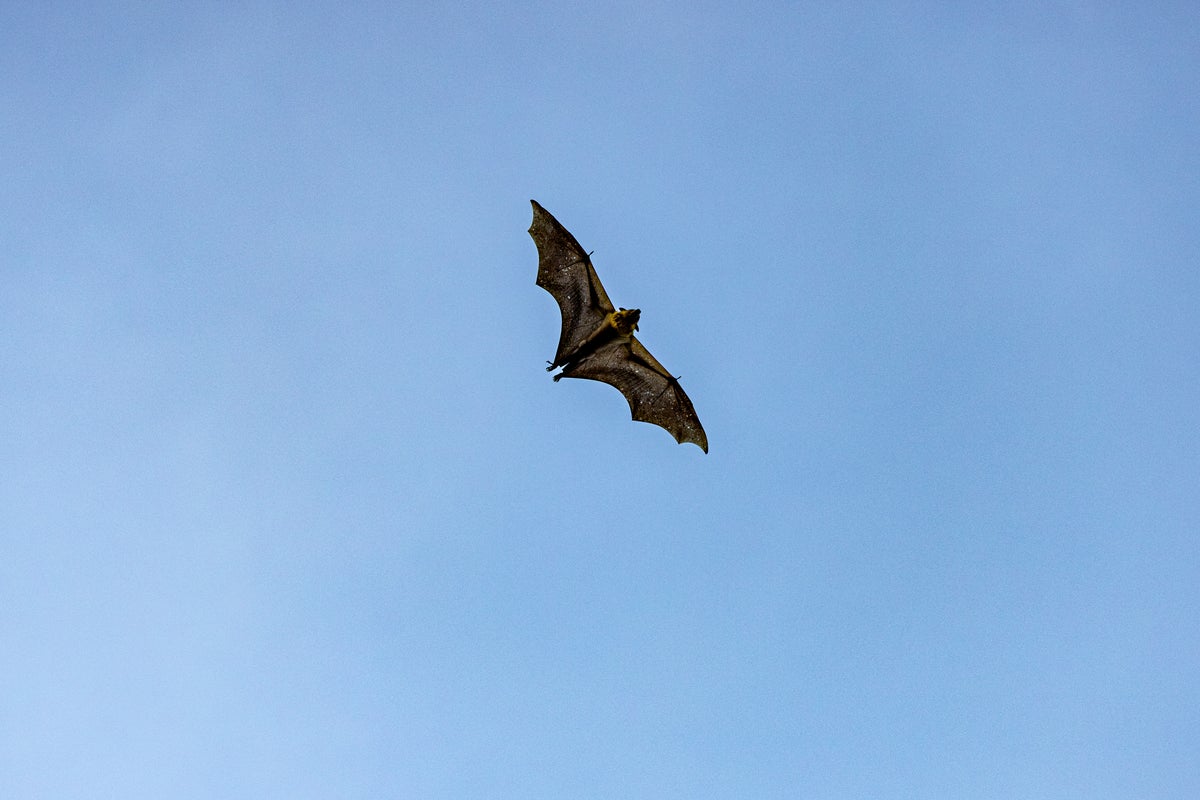
An eleven-year-old boy in the United States recently lost his life to rabies after a bat encounter that left no visible wounds. He never knew he was bitten. His parents had no reason to panic. By the time symptoms appeared, a microscopic virus had already traveled up his nervous system to his brain, rendering the infection completely untreatable. This tragedy exposes a critical gap in public awareness and medical protocol. People expect a wild animal attack to look violent, but the deadliest encounters are completely silent.
The public health apparatus is failing to convey a harsh biological reality. You do not need to be mauled to contract a fatal virus. As urbanization pushes human dwellings deeper into wildlife habitats, the line between safety and exposure has blurred entirely. Recently making headlines in related news: Why the Marburg and Ebola Double Threat Narrative is Completely Wrong.
The Biology of a Silent Transmission
To understand how a child can die from an animal bite without a single scratch to show for it, one must look at the physical makeup of standard North American bats. Species like the silver-haired bat or the little brown bat possess teeth so small and sharp they resemble fine needles or shards of glass.
When a bat makes contact with human skin, especially during sleep or brief contact in a dark room, the puncture marks can be virtually invisible to the naked eye. The bite does not always cause a sharp sensation of pain. Instead, it might feel like a minor insect sting or go completely unnoticed. Additional details on this are covered by Healthline.
The rabies virus thrives in the saliva of an infected mammal. When that saliva makes contact with even a microscopic tear in the skin, the virus enters the body. It does not travel through the bloodstream, which would trigger a rapid immune response. Instead, it hijacks the peripheral nervous system. It moves slowly, inching toward the spinal cord and brain at a rate of just a few millimeters per day.
This slow migration creates a deceptive window of safety. During this incubation period, which can last from weeks to several months, the patient feels perfectly healthy. No blood test or routine medical screening can detect the virus while it is hiding within the nerves.
Once the virus reaches the central nervous system, the clinical picture changes with terrifying speed. Early symptoms mirror the flu—fever, headache, and general weakness. Within days, neurological devastation takes hold. Patients experience intense anxiety, confusion, agitation, and the hallmark symptom of hydrophobia, a violent spasm of the throat muscles triggered by trying to swallow liquids. At this stage, the disease is universally fatal.
The Failure of the Visible Wound Metric
For generations, emergency medicine and parental instincts have relied on a flawed premise. If there is no blood, there is no emergency. This logic works well for rusty nails and dog bites, but it breaks down completely with wildlife vectors.
Emergency rooms regularly turn away or misdiagnose individuals who present with vague symptoms because there is no history of an obvious wound. Public health campaigns often focus on avoiding stray dogs or visibly aggressive raccoons, leaving the public blind to the passive danger hanging upside down in their attics.
Consider a typical household scenario. A homeowner discovers a bat flying inside a living room or bedroom. They open a window, shoo the creature outside with a broom, and congratulate themselves on resolving the nuisance. If no one in the house complains of a bite, the incident is forgotten.
This is a critical mistake. If a bat is found in a room where someone was sleeping, where an infant was unattended, or where a person with cognitive impairments was present, medical guidelines dictate that the individual must be evaluated for post-exposure prophylaxis. The assumption must always be that exposure occurred.
The Logistics of Prevention Versus the Reality of Cost
The tragedy of any rabies death in the modern era is that the disease is entirely preventable if caught early. The post-exposure treatment protocol is highly effective. It involves a dose of human rabies immune globulin delivered near the site of the suspected exposure, followed by a series of four rabies vaccines administered over a two-week period.
This treatment stops the virus in its tracks before it can bind to the nervous system. Yet, the barrier to obtaining this life-saving intervention is often economic.
A full course of post-exposure treatment can cost between $5,000 and $10,000 per person. For an average family, especially one without comprehensive health insurance, the upfront cost of rushing to an emergency room after a simple bat sighting feels disproportionate to the perceived risk. Insurance companies routinely question claims where no physical trauma is documented, leaving patients stuck in a bureaucratic nightmare while a clock ticks down in their nerve pathways.
The distribution of these medications is also heavily centralized. Smaller rural clinics and local pharmacies rarely stock rabies biologics due to their high cost and limited shelf life. A family living in a rural area, where encounters with wildlife are most common, may have to travel hours to a major regional hospital just to access the vaccine.
Re-engineering the Public Safety Message
We need a complete overhaul of how wildlife risks are communicated to communities. The current messaging is too passive. It relies on citizens searching out information on government websites rather than pushing critical guidance directly into vulnerable areas.
Municipalities must mandate that wildlife control operators, roofing contractors, and home inspectors report bat infestations to local health departments. Schools need to teach children that bats are not simply interesting creatures to be observed or handled, but high-risk vectors that require immediate adult intervention if found indoors.
The policy regarding domestic pets also requires stricter enforcement. While most states mandate rabies vaccines for dogs, enforcement for indoor cats is notoriously lax. An indoor cat that catches a bat inside a home can easily contract the virus and pass it along to its owners through a scratch or lick before showing signs of illness.
The Immediate Steps for Homeowners
When a bat enters a living space, the priority must shift from extermination to preservation for testing. Swatting a bat out of the air and throwing it in the trash eliminates the only definitive way to know if treatment is necessary.
If possible, capture the bat safely using heavy gloves and a hard container, ensuring the head remains intact so the brain tissue can be tested for the virus. Local health departments can analyze the animal within hours. If the test comes back negative, a family can avoid thousands of dollars in unnecessary medical bills and psychological trauma. If it is positive, treatment can begin immediately, removing all guesswork from the equation.
If the bat escapes before capture, there is only one rational path forward. Contact a medical professional immediately and initiate the vaccination protocol. Relying on the absence of a mark on your skin is a gamble against a virus with a one hundred percent mortality rate. Break the mindset that danger must always leave a scar.