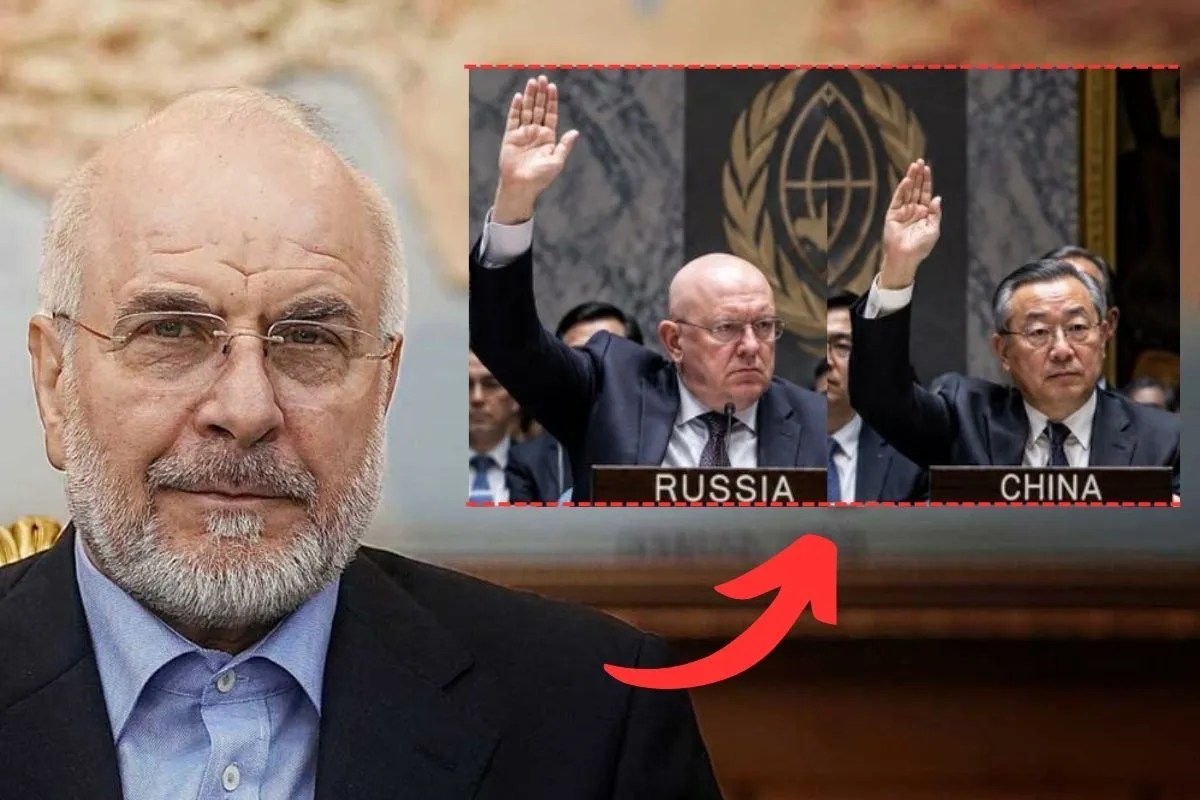
Geopolitics rarely offers clean victories, but Tehran recently secured a diplomatic shield that changed the mood in the capital completely. When relations with Washington remain locked in deep friction, having permanent members of the United Nations Security Council step in to block pressure changes the entire regional calculation. If you've been tracking how international bodies handle atomic oversight and economic penalties, you know that a single vote can alter a nation's trajectory.
The Security Council Showdown
At the center of this diplomatic shift is a high-stakes standoff at the United Nations. Washington and its European allies pushed hard to extend the mandate of an expert panel tasked with monitoring sanctions against Iran. But Moscow and Beijing drew a hard line. Russia and China cast a double veto on the resolution, effectively halting the watchdog panel.
Tehran's UN mission didn't hide its appreciation. Officials openly thanked both capitals for blocking what they termed a cynical attempt by the United States and its partners to weaponize the Security Council for political pressure. For Iran, this isn't just about avoiding a monitoring mechanism. It represents a tangible proof that Western dominance over global governance faces active resistance from other major world powers.
Why the Veto Matters So Much
You might wonder why a monitoring panel causes such intense friction. The core issue traces back to the fallout from the 2015 nuclear agreement and subsequent snapback mechanisms. Western powers argue that Tehran failed to comply with oversight and pushed uranium enrichment to high levels. Tehran maintains its peaceful stance and pushes back against what it views as unfair enforcement.
When Russia and China exercised their veto power, they disrupted a key enforcement gear. Without the panel of experts actively tracking compliance on the ground, the international pressure campaign loses its teeth. It's a clear signal that the multipolar world is here. Moscow and Beijing are done rubber-stamping Western-led initiatives against nations outside their bloc.
The Realignment Behind the Scenes
This diplomatic alignment isn't happening in a vacuum. Trade ties, military cooperation, and shared opposition to Western sanctions have drawn Tehran, Moscow, and Beijing closer over recent years. When economic pressure mounts, having reliable partners with veto power at the highest international table provides an invaluable safety valve.
Western diplomats expressed deep frustration during the session, accusing Beijing and Moscow of shielding Tehran from accountability. Yet, the votes speak for themselves. International diplomacy is shifting away from unilateral consensus toward a fractured reality where major players protect their strategic interests regardless of what Washington wants. Iran knows it has found powerful friends when it matters most, and that changes how Tehran approaches every negotiation moving forward.


