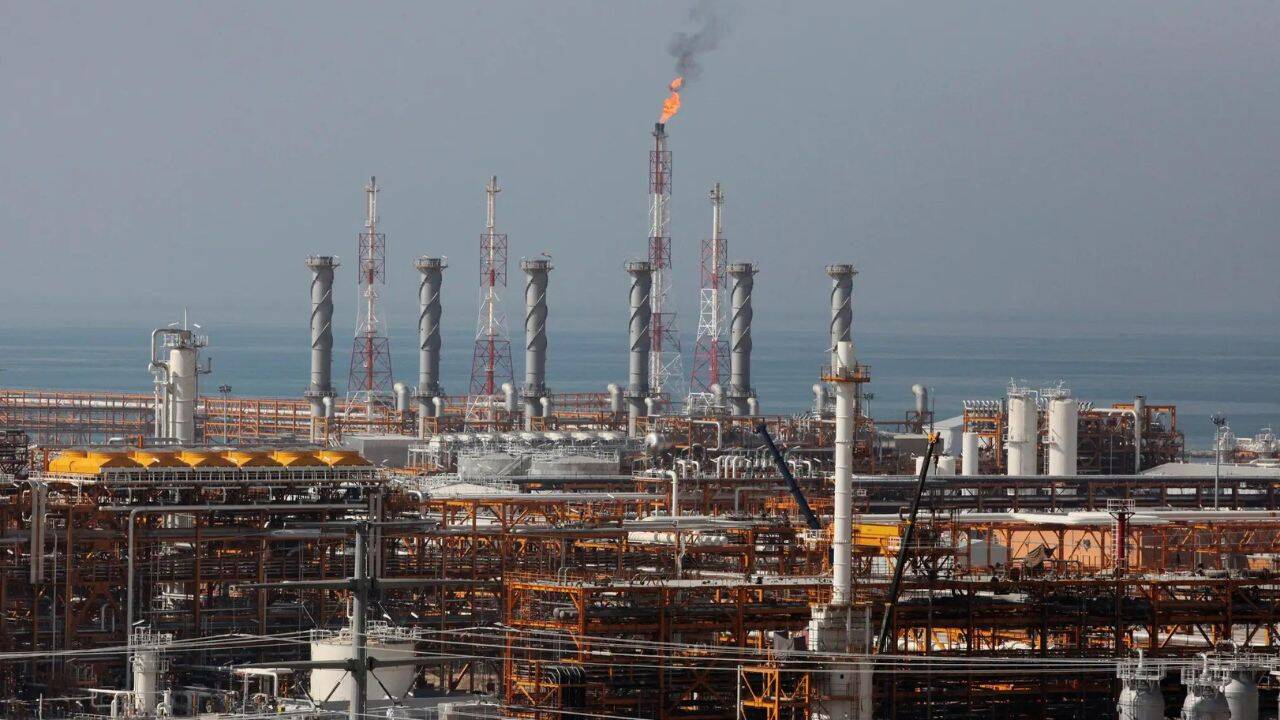
Iran just found over 7.5 trillion cubic feet of natural gas in the southern Fars province. On paper, it sounds like a massive win for a nation wrestling with intense economic isolation. Realistically, it won't fix the immediate collapse of their energy grid.
Oil Minister Mohsen Paknejad announced the find, noting that about 5.7 trillion cubic feet of it is actually recoverable. He also pointed out that the gas is "sweet," meaning it has low impurity levels and costs less to process. But let's look past the headline numbers. Tehran is trying to project strength while dealing with severe domestic shortages and a tight US naval blockade.
The Brutal Reality Behind the Reserves
Finding gas underground is one thing. Pulling it out of the earth and getting it to power plants is an entirely different challenge.
Months of military friction with the US and Israel battered Iran's energy infrastructure. Strikes sliced daily gas production capacity by roughly 230 million cubic metres. That loss triggered rolling blackouts over the summer, forcing officials to beg citizens to slash their heating and cooling usage.
You can't burn gas that's still trapped in a newly discovered reservoir in Fars province. Developing these fields takes years, heavy foreign investment, and sophisticated drilling hardware that Western sanctions keep far out of reach.
Sanctions and the Squeeze on Trade
Washington isn't letting up. The US Treasury has lined up aggressive new measures targeting what remains of Iran's shipping and petroleum trade. A naval blockade is actively squeezing export routes through the Strait of Hormuz.
Iran relies heavily on pipelines because Western investment blocks the construction of major liquefied natural gas export terminals. Without outside capital or technical partnership, major new finds turn into slow-motion projects. The leadership in Tehran can label the discovery a multi-billion dollar windfall, but local industries are still starving for stable electricity today.
What Actually Happens Next
The new Fars province reservoir mirrors previous announcements, like the Pazan field find from late last year. They prove the country sits on top of immense geological wealth, yet highlight an ongoing inability to monetize it efficiently.
Until foreign policy shifts or domestic grid repairs catch up with actual consumption demands, these underground trillions remain frozen assets. The physical reality of a crippled infrastructure outweighs any press release coming out of state television.


