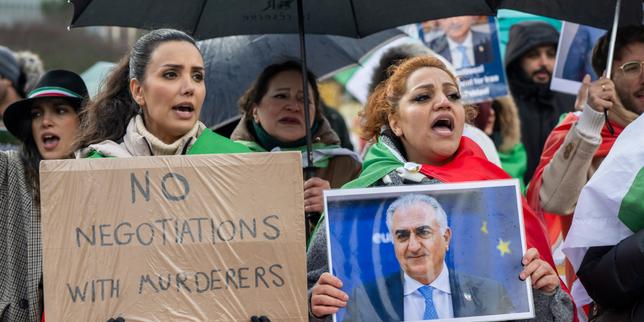
The headlines out of Iran usually follow a brutal, predictable pattern. Protests erupt, the state cracks down, and the world watches in horror as the regime uses lethal force to silence its own people. It looks like total domination from the outside. But this view misses the real story completely. Beneath the surface of the Islamic Republic of Iran, a quiet, decentralized revolution has taken hold. Iranian civil society isn't just surviving. They're actively rewiring how resistance works.
If you think the crackdowns have broken the spirit of the Iranian public, you're looking at the wrong metrics. The traditional street protest is only one tool in a massive toolkit. Today, resistance in Iran is woven into everyday life. It's in the art people create, the underground schools they fund, and the daily refusals to comply with state mandates. This isn't a centralized movement with a single leader the regime can arrest. It's a network of millions of individuals making conscious choices to reject the state's ideology every single day. You might also find this connected story interesting: Inside the PoJK Border Shutdown That Exposed Islamabad's Deepest Fear.
Understanding the New Anatomy of Iranian Resistance
To grasp why the Iranian regime hasn't been able to crush dissent, you have to look at how the social landscape has shifted. For decades, Western observers looked for political parties or prominent dissidents to lead the charge. The regime looked for them too, usually executing or imprisoning anyone who rose to prominence.
So the Iranian people changed tactics. As discussed in recent coverage by NPR, the effects are worth noting.
The current resistance model relies on a decentralized, horizontal structure. Women walk down the streets of Tehran without the mandatory hijab, knowing they risk arrest or physical assault by the morality police. This isn't a coordinated march. It's individual defiance. When thousands of women do this simultaneously across different neighborhoods, it creates a systemic challenge that the state lacks the resources to police every second of the day.
This shift became undeniable during the Woman, Life, Freedom movement, sparked by the death of Jina Mahsa Amini in late 2022. Human rights organizations, including Amnesty International and Iran Human Rights, documented the unprecedented scale of the state's violent response, which included hundreds of deaths and thousands of arbitrary detentions. Yet, the pushback didn't vanish when the streets cleared. It changed form.
The Power of Micro-Resistance
What does this look like on a random Tuesday in Isfahan or Shiraz? It looks like underground book clubs reading banned literature. It looks like secret tech networks helping citizens bypass state internet censorship using tools like Tor and Snowflake.
- Digital Defiance: Tech-savvy youth continuously build proxies to keep the population connected to the global internet. When the government shuts down connectivity, neighborhood mesh networks keep local communications alive.
- Economic Solidarity: Shopkeepers quietly strike or support the families of political prisoners through informal credit networks, completely bypassing state-controlled banks.
- Cultural Preservation: Underground music concerts, theater performances, and art galleries thrive in basements and private homes, keeping a secular, vibrant Iranian identity alive away from the regime's grim restrictions.
These small acts matter because they erode the state's total control. A totalitarian regime requires total compliance to function smoothly. When citizens refuse that compliance in their private lives, the regime's authority becomes a hollow shell.
The Failure of State Violence as a Long Term Strategy
The Islamic Republic spends billions of dollars on its security apparatus. The Islamic Revolutionary Guard Corps (IRGC) and its paramilitary arm, the Basij, control vast swaths of the Iranian economy, using those funds to maintain a panoptic surveillance state. They use facial recognition technology on public transit to catch women violating hijab laws. They monitor social media accounts. They extract forced confessions on state television.
But extreme violence has a diminishing return.
When a state relies entirely on fear, it loses all institutional legitimacy. The Iranian public no longer views the government as a flawed political entity; they view it as an occupying force. Economists tracking Iran's inflation rates and currency devaluation point out that the regime's financial mismanagement, compounded by international sanctions, has left it unable to offer its citizens basic economic stability.
When you have no economic future, no social freedom, and no political voice, the fear of state violence starts to lose its teeth. The regime can clear the streets with bullets, but it can't force a disillusioned population to believe in its ideology.
Generation Z and the Information Monopoly Collapse
The biggest threat to the regime isn't foreign intervention. It's the generational divide. Over 60% of Iran's population is under the age of 30. This generation grew up with satellite television and the internet. They know exactly what life looks like outside of Iran, and they refuse to accept the medieval social contracts the elderly clerics try to enforce.
The state used to hold a monopoly on information. That monopoly is dead. When the state media broadcasts propaganda, young Iranians debunk it on Telegram or X within minutes. The regime's lies don't stick anymore, which forces them to rely solely on raw physical force to stay in power. That's an exhausting, expensive way to run a country.
How Global Observers Misread the Iranian Public
Many international analysts make the mistake of measuring the strength of the Iranian resistance by how many people are currently chanting in public squares. When the streets go quiet, these analysts assume the regime won. That's a fundamental misunderstanding of how modern civil society operates under tyranny.
Silence isn't submission. It's a strategic pause.
The societal transformation inside Iran is cultural and psychological. The regime has lost the cultural war entirely. Even within more traditional or religious demographics, there's a growing disgust with the state's use of Islam to justify corruption and murder. The secularization of Iranian society is accelerating, driven directly by the regime's brutal actions.
Practical Steps for Supporting Iranian Civil Society
If you want to understand or support what's actually happening on the ground, stop looking for a grand political savior or a sudden coup. Focus on the infrastructure of survival and resistance that the Iranian people are building themselves.
- Support Digital Access: The most critical battlefield is digital. Funding, developing, and promoting open-source censorship circumvention tools helps Iranians maintain access to the outside world and coordinate safely.
- Amplify Domestic Voices: Don't just listen to exiled political figures who haven't stepped foot in Iran for decades. Pay attention to the human rights defenders, labor union leaders, and student activists operating inside the country or maintaining direct lifelines to it.
- Document and Track: Support organizations like the Center for Human Rights in Iran or Human Rights Watch that meticulously document abuses. This documentation ensures the regime cannot commit atrocities in the dark, and provides a factual foundation for future accountability.
The resistance inside Iran is a marathon, not a sprint. The Iranian society has made a collective, irreversible psychological break from the Islamic Republic. The state has the guns, but the civil society has the future. Keep your eyes on the daily, quiet refusals to submit. That's where the real power lies.