Global trade routes don't break all at once. They fray at the edges until a single chokepoint snaps. Right now, that chokepoint is the Bab el-Mandeb Strait, and Italy isn't waiting around for Brussels to figure out a committee response. With Houthi pressure intensifying and regional friction reaching a boiling point, Rome has decided to deploy active naval assets to safeguard its commercial fleet.
If you're wondering why this specific stretch of water matters so much to a Mediterranean nation, the answer comes down to pure economic survival.
The Reality of the Red Sea Chokepoint
Every container ship or energy tanker that bypasses the African Cape to save time relies on squeezing through the narrow passage between the Horn of Africa and the Arabian Peninsula. When that corridor turns hostile, supply chains across Southern Europe feel the shockwaves almost instantly.
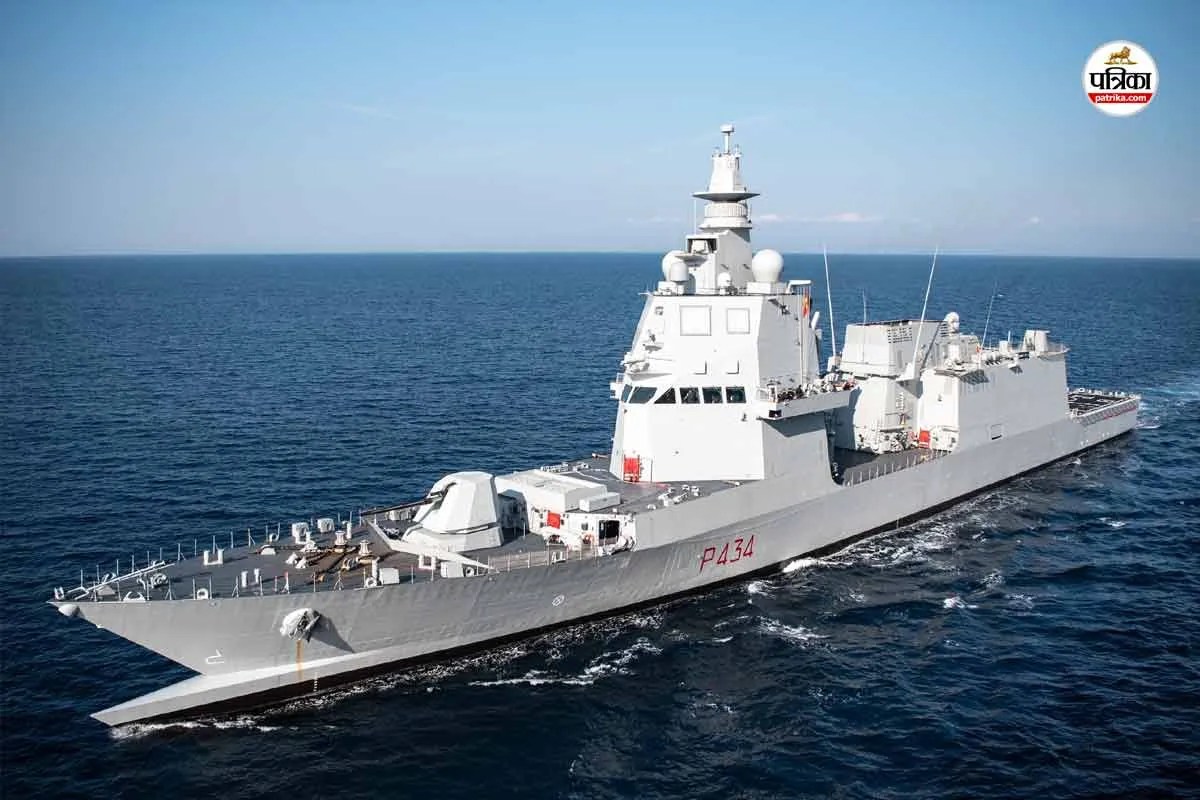
Italian Defense Minister Guido Crosetto made it clear that the national navy is stepping up because waiting for a unified European consensus was moving too slowly. Italian warships are moving into position to provide direct escort cover for merchant vessels flying their flag or carrying vital imports.
This isn't just about showing the flag. It's an urgent triage operation.
Beyond the Headlines
Most mainstream reports treat these naval movements as routine patrols. They aren't. Operating near the Bab el-Mandeb means dealing with asymmetric threats, drone swarms, and ballistic dangers that traditional naval architectures were rarely optimized to fight on a daily basis.
When groups like the Houthis tighten their grip around strategic spots like Perim Island, commercial transit turns into a high-stakes gamble. Insurance premiums for cargo moving through the Suez Canal corridor have spiked past reasonable limits. For countries heavily reliant on maritime imports, letting commercial shipping fend for itself isn't an option.
Rome is also pushing back against what it views as a lack of shared burden-sharing among other European Union members. While the EU operates missions like Operation Aspides, individual capitals are finding that national defense fleets must step in directly when diplomatic talks stall out.
What Happens Next for Global Shipping
Naval escorts can prevent immediate hijackings or missile strikes on specific convoys, but they don't solve the underlying geopolitical friction. Expect more European capitals to reevaluate their independent naval postures. As long as regional proxy conflicts threaten the flow of energy and consumer goods, maritime security will remain militarized.
Keep an eye on freight rates and insurance adjustments over the coming months. They'll tell you faster than any politician whether these naval deployments are actually keeping the shipping lanes open or just managing an ongoing crisis.
Why Italy Moves to Protect Red Sea Shipping as Houthi Threat Grows
This video provides a helpful overview of the recent Italian naval deployments and the rising security challenges around the Bab el-Mandeb Strait.