The federal government has a unique talent for turning a straightforward demand for transparency into a conspiratorial firestorm. It doesn't matter who is in the Oval Office. When you promise to open the vaults on the most radioactive sex-trafficking scandal in modern American history, you better deliver the goods cleanly.
Instead, the White House handed the public a PR disaster. For a closer look into similar topics, we recommend: this related article.
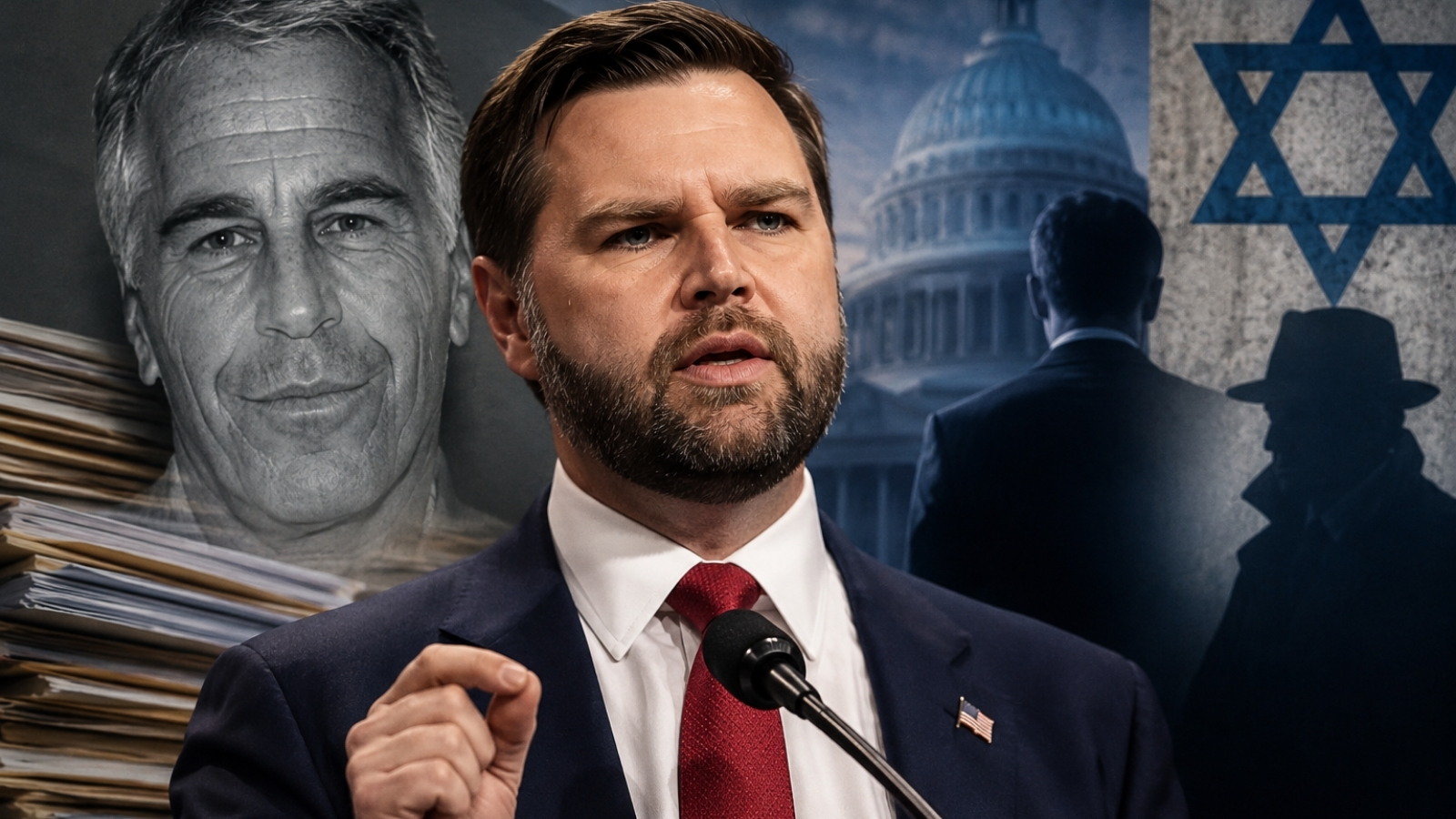
Vice President JD Vance went on The Joe Rogan Experience and threw some serious candor into the microphone. He bluntly admitted that the administration "absolutely screwed up" the communications surrounding the release of the Jeffrey Epstein files.
It is a rare moment of a sitting Vice President saying "guilty" to a massive public relations botch. But Vance didn't stop at admitting a communications breakdown. He waded straight into the deepest waters of the Epstein saga, acknowledging what millions of amateur sleuths have suspected for years: Epstein had deep ties to high-level foreign and domestic intelligence agencies, including Israel's Mossad and the CIA. To get more details on this topic, comprehensive reporting can be read on Reuters.
The Anatomy of a Public Relations Trainwreck
To understand why Vance is out here doing damage control, you have to look at the massive gulf between what the administration promised and what it actually delivered.
The political leverage was obvious. Donald Trump came into office promising to blow the lid off the Epstein archive, aiming to expose a corrupt global elite. But when the Justice Department actually started moving, the execution fell completely flat.
Vance pinned the blame squarely on former Attorney General Pam Bondi. In an effort to feed the political hunger for answers, Bondi famously declared that an alleged Epstein "client list" was sitting right on her desk.
It was a massive overpromise.
When the DOJ finally dropped the binders titled "The Epstein Files: Phase 1" and "Declassified" to conservative influencers, the internet collectively shrugged. It was a heavily redacted collection of mostly public information. The backlash was immediate. People felt played. Bondi was publicly roasted, the administration looked like it was pulling punches, and Trump eventually fired her.
Vance maintains there wasn't a malicious cover-up. "I think Pam was trying to respond to the political moment," Vance told Rogan. "I think she overstated what we had and what we didn't have."
By hyping up a definitive "client list" that the DOJ didn't actually possess in that format, the administration manufactured its own trust deficit. Vance’s take is that they should have just dropped everything they had on day one without the theatrical buildup.
The Intelligence Agency Connection
The most explosive part of the Rogan interview wasn't the logistical mea culpa. It was Vance openly validating the theory that Epstein was connected to state intelligence agencies.
When Rogan asked directly about theories involving Israel’s Mossad, Vance didn't flinch.
"He clearly had connections to the upper, the highest levels of American intelligence. He clearly had connections to the highest levels of Israeli intelligence."
Vance went even further, noting a specific ideological slant to those ties. He claimed Epstein’s network inside the Israeli deep state was distinctly "left of center" rather than aligned with the country's political right.
While Vance openly admits he isn't holding concrete, smoking-gun evidence in his hands, his willingness to vocalize this as the sitting Vice President is unprecedented. He explicitly named the CIA and Mossad as entities tangled up in the broader deep-state apparatus that insulated Epstein for decades.
This isn't just standard political theater. Behind the scenes in the White House, the Epstein files have caused serious internal friction. Reports indicate that Vance has consistently pushed for total, unredacted transparency to get ahead of the media cycle.
On the other side of the hallway, Chief of Staff Susie Wiles has favored a much more cautious, legally protected approach, reportedly rolling her eyes at Vance's aggressive stance.
Why the Legal Reality Limits Full Disclosure
The public wants names, dates, and flight logs. They want accountability for the powerful figures who spent time on Epstein's private island. But the legal reality inside the DOJ makes a simple "data dump" incredibly complex.
- Underage Victim Protections: A massive portion of the redactions in the millions of pages of documents are there by legal mandate to protect the identities of underage victims.
- Victims vs. Co-conspirators: Vance pointed out a brutal reality of the Epstein operation: the lines are incredibly blurred. Some individuals who started as victims were allegedly leveraged into becoming co-conspirators. Separating them legally is a nightmare.
- Court Seals and Jurisdiction: A significant chunk of the unreleased material remains locked behind federal court seals. The executive branch cannot simply wave a magic wand and override a federal judge's seal without going through the formal, agonizingly slow legal process.
The administration is still dealing with a massive mountain of documents forced into the light by congressional mandates. The records released so far—ranging from grand jury testimonies to internal call logs—prove that the investigation was vast, but they haven't provided the neat, cinematic closure the public demands.
The next step for anyone trying to decipher the reality of the Epstein files is to look past the political spin. Stop waiting for a single, magical "client list" document to drop from the sky. The real story is buried in the thousands of pages of unredacted court transcripts and FBI interview logs that are slowly trickling out through ongoing Freedom of Information Act requests and legal challenges. Follow the paper trail of the financial institutions that funded Epstein's operation long after his first conviction. That is where the real architecture of his influence remains exposed.