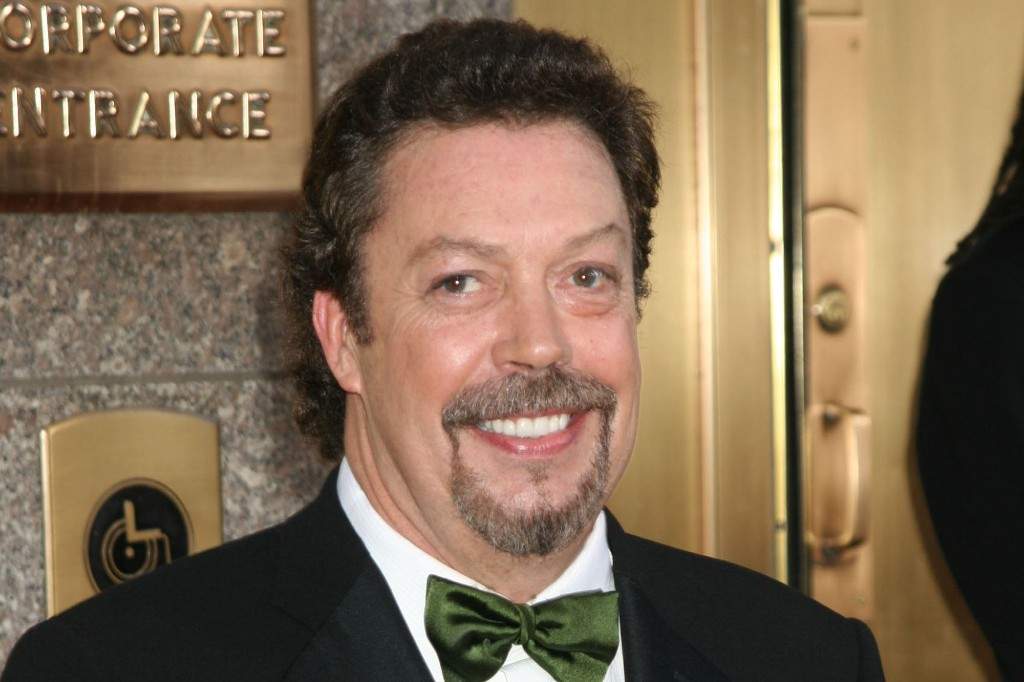
Late night television is dying a slow, expensive death, and Jimmy Kimmel is one of the last veterans still standing at the podium. For years, the nightly monologue has functioned as an unwritten social contract between the American public and a rotating cast of tuxedoed hosts. You tune in at eleven-thirty, digest the day's political absurdities wrapped in soft-ball jokes, and go to bed. But contracts expire. When Jimmy Kimmel muses about stepping away from the desk, the chatter usually centers on burnout, contract renewals, and family pressure. Molly McNearney, his wife and the co-head writer of his show, offers a starkly different counter-narrative. She wants him to keep going. She knows what happens when the institutional anchor of network television finally cuts the cord.
The conversation surrounding Kimmel's potential retirement is not merely about one man getting tired of wearing makeup five nights a week. It represents a fundamental fracture in how the entertainment industry values appointment viewing. Networks built empires on the backs of Johnny Carson, David Letterman, and Jay Leno. Those empires now look like coastal estates battered by rising tides. Viewers under forty do not watch linear television. They consume carved-up fragments of interviews on algorithmic feeds the morning after they air. The economics that justify multi-million-dollar studio overheads, bloated writing staffs, and house bands are evaporating in real time.
Kimmel has occupied his slot on ABC since 2003. Think about the cultural landscape when he started. George W. Bush was in the White House, YouTube did not exist, and smartphones were science fiction. Surviving two decades in late night requires an elastic sense of humor and an iron constitution. Yet, the physical toll of daily production is grueling. Writers rooms operate like assembly lines fueled by anxiety and cold brew. Every single day brings the exact same existential dread: fill an hour with funny, relevant commentary before the sun comes down.
Molly McNearney occupies a unique vantage point as both his domestic partner and a primary architect of his professional output. When she pushes back against his retirement talk, she is not just defending a paycheck. She is protecting a specific kind of cultural influence that digital clips cannot replicate. A nightly platform allows a host to shift the national conversation with a single monologue, as Kimmel demonstrated repeatedly during emotional broadcasts about healthcare policy and gun violence. Once that microphone goes cold, the void left behind gets filled by unvetted digital noise.
The financial reality of the television business makes the decision even thornier. Networks are slashing budgets across the board. Late night shows operate at a fraction of their former profitability as advertising dollars migrate toward streaming platforms and targeted social media campaigns. If Kimmel decides to walk away when his current contract ends, ABC might not even bother replacing him with another traditional daily talk show. The slot could easily pivot to lower-cost syndicated reruns, cheap reality programming, or digital-first content that requires zero union staff.
The Anatomy Of Late Night Burnout
Doing a daily show warps your perception of time. Every week is identical, yet every day requires treating current events as fresh material. The exhaustion is cumulative. Hosts reach a point where the repetition breeds a quiet resentment toward the format itself.
Consider the mechanics of the monologue. You stand in front of a live studio audience that has been primed by a warm-up comedian, reading jokes off a teleprompter while monitoring audience reaction in real time. If a joke bombs, you feel it instantly. If it lands, the dopamine hit is fleeting. Then you wake up the next morning and do it again.
Kimmel has expanded his footprint far beyond the desk. He hosts major award shows like the Oscars, produces television specials, and oversees unscripted projects. The daily grind of the talk show acts as an anchor preventing him from pursuing longer-form creative ambitions. Artists want to build monuments, not treadmill workouts.
The psychological weight should not be underestimated either. Modern hosts navigate a minefield of hyper-partisan media consumption. A joke about a politician triggers immediate online backlash, corporate sponsor panic, and targeted harassment campaigns. The margin for error has shrunk to zero. Staying relevant requires constant vigilance against audience fatigue and ideological landmines.
The Domestic Tug Of War
In most households, a spouse encourages retirement after decades of grueling work hours. McNearney's resistance stems from an acute awareness of the vacuum it creates. Creative people often struggle immensely with abrupt cessation. The sudden absence of structure can be paralyzing.
Couples who work together share a specific rhythm. Their personal and professional identities merge into a single entity. When one partner contemplates dismantling that shared structure, it threatens the equilibrium of the household as much as the career. McNearney sees the vitality that the show demands and recognizes that keeping the engine running keeps her husband sharp.
Retirement fantasies sound peaceful on paper. Golf courses, extended vacations, sleeping past six in the morning. But the reality for high-achieving public figures often involves a rapid descent into irrelevance and restlessness. The applause stops. The phone rings less often. The daily validation disappears overnight.
What Happens When The Desk Is Empty
The departure of a marquee host triggers a domino effect throughout the entire television ecosystem. When Letterman left, the late-night landscape shifted permanently. When Conan O'Brien moved to a podcast format, he proved that personality travels better than studio real estate.
If Kimmel steps down, the traditional network late-night lineup shrinks to a lonely handful of aging veterans. The format will have effectively priced itself out of existence. Advertisers care about eyeballs, and eyeballs have permanently scattered across the digital wind.
The cultural cost is harder to measure. Late night used to be the campfire where the nation gathered to process shared trauma and absurd news. Now, everyone sits in their own curated tent, listening to algorithmic echoes. Kimmel and his peers represent the final era of mass-media monoculture.
Molly McNearney understands this better than most. She knows that once you turn off the studio lights, you cannot easily turn them back on. The infrastructure crumbles. The writers disperse to streaming rooms. The band packs up their instruments for good.
So the debate continues behind closed doors in the Kimmel household. One partner dreams of quiet mornings and unscripted days. The other looks at the burning landscape of modern media and insists on holding the line just a little longer. As long as the cameras keep rolling, the illusion of stability remains intact. Once they stop, there is no going back to how things used to be