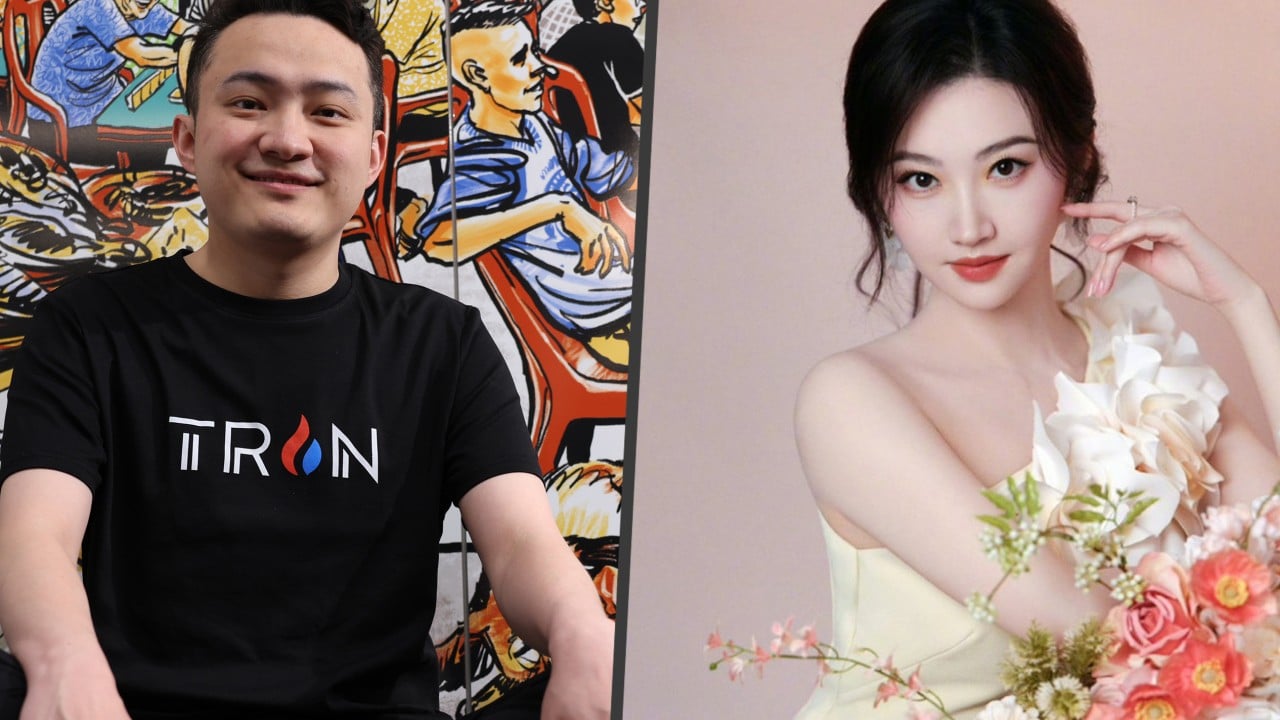
When cryptocurrency billionaire Justin Sun published a sprawling, 10,000-character manifesto titled My Girlfriend Jing Tian, he crossed a line from private romantic fallout into public psychological warfare. The digital asset entrepreneur, known globally as the founder of the TRON network, thought he could weaponize narrative control across social media while simultaneously launching a multi-million-yuan legal battle. Chinese actress Jing Tian, a veteran of major international blockbusters, did not cower behind standard corporate PR statements. Instead, she hit back with a sharp public declaration, asserting that she would never sell her love or her soul for money. This high-stakes collision between an eight-figure fortune and a prominent entertainment icon lays bare how ultra-high-net-worth individuals attempt to purchase compliance, only to find that personal autonomy cannot always be acquired at market rate.
To understand the scale of this public spectacle, one must examine the mechanics of the dispute itself. Sun filed a formal lawsuit through his attorney in China, targeting Jing Tian and her parents over a disputed bride price, or caili, exceeding thirty million yuan, which translates to roughly four and a half million US dollars. Legal teams moved quickly to secure property preservation orders, ensuring that assets were frozen while the court sorts through the wreckage of a relationship that dissolved earlier in the year. Sun supplemented this aggressive judicial maneuver by dropping his long-form essay online. He claimed the text was "purely fictional" as a transparent legal shield, yet it detailed specific private milestones, alleged surrogacy plans, and exorbitant gifts. It was an exercise in reputational shakedown disguised as a memoir.
Jing Tian's agency responded with precision, characterizing the online dump as an attempt to exploit an artist's public standing for leverage. For decades, celebrities in China have lived under the microscopic gaze of state censors and obsessive fandoms. Scandals can erase a career overnight. Yet, Jing Tian's counter-offensive signaled a shift away from quiet settlements. Her public declaration that she refuses to commercialize her affection drew a stark line in the sand. It reframed the narrative from a private contractual default into a broader cultural conversation about transactional relationships among the ultra-wealthy.
The bizarre inclusion of artificial intelligence in Sun's justification process adds an even stranger layer to the affair. In interviews following the document drop, Sun admitted that he consulted the AI assistant Claude to determine whether he should yield to further financial demands during the relationship breakdown. When the algorithm advised him to hold his ground, he treated the machine's output as an outsourced conscience. This detail reveals the insular, detached reality inhabited by modern tech oligarchs. Human emotion, heartbreak, and complex interpersonal grievances are processed through code, risk-assessment frameworks, and legal asset freezing applications. When the human counterpart refuses to behave according to the digital spreadsheet, the reaction is not emotional maturity, but a retaliatory PR blitz and a court filing.
The Anatomy of a High-Stakes Public Fallout
Wealth of the magnitude commanded by figures like Sun creates a distorted reality field. When someone possesses an estimated net worth running into the billions, financial transactions often replace emotional vulnerability. Transferring millions of yuan to a partner's family is viewed less as a traditional cultural custom and more as a capital allocation with expected deliverables. When those deliverables—whether specified under disputed verbal agreements or emotional understandings—fail to materialize, the response mirrors a hostile corporate takeover. Assets are locked down, legal counsel is mobilized, and the narrative is broadcast to millions to pressure the opposing party into submission.
Yet, public opinion in the Chinese entertainment market does not automatically side with the holder of capital. While internet commentators initially expressed shock at the sheer volume of money involved, the realization that private life was being broadcasted as a weapon generated considerable backlash against Sun. Surrogacy remains legally prohibited within mainland China, meaning that public admissions or detailed claims regarding overseas extraction procedures and family planning carry heavy regulatory and social risks for both parties. By airing these details under the guise of fiction, Sun exposed sensitive personal boundaries while insulating himself with legal disclaimers. It is a strategy designed to inflict maximum psychological and professional damage on the target while keeping formal liability at arm's length.
The collateral damage of this feud extended far beyond the primary participants. Within hours of the essay's publication, Chinese stock markets demonstrated the absurd volatility driven by social media cross-pollination. Small-cap companies sharing character names with figures mentioned in the text experienced sudden, irrational surges. Domestic cutlery and hardware manufacturers saw spikes simply because a minor, mundane detail about nail-filing appeared in the narrative. This financial theater highlights the peculiar ecosystem surrounding internet-era billionaires. Every personal grievance becomes a speculative asset class for retail traders looking to capitalize on transient digital chaos.
Navigating the Legal and Cultural Fallout
As the case sits before the Xi'an Yanta District People's Court, the immediate future of the dispute depends on strict jurisdictional rulings. Jing Tian’s defense team has filed formal objections, pushing back against the venue and challenging the framing of the financial transfers. In civil law disputes concerning bride price returns, courts typically look at the duration of the relationship, whether the couple cohabited, and the intent behind the funds. However, when the plaintiff treats the courtroom as an extension of a public relations campaign, the objective shifts from recovering funds to punishing the defendant's public standing.
The broader entertainment industry is watching closely. Actresses and public figures face an impossible tightrope walk when dating individuals from the tech and crypto sectors. On one side lies the allure of immense financial security and high-society access; on the other lies the profound vulnerability of having personal intimacy cataloged, priced, and litigated in public view if things go wrong. Jing Tian's insistence that her worth cannot be liquidated or traded away establishes a rare precedent of pushback against billionaire overreach.
Money can purchase the architecture of a high-end lifestyle, secure elite legal representation, and fund elaborate public displays of affection or grievance. It cannot manufacture genuine emotional alignment or force an independent adult to capitulate to financial coercion. As the legal machinery grinds forward and the courts eventually sort out the thirty million yuan question, the real verdict has already been rendered by the public. The attempt to treat a relationship like a venture capital investment failed the moment it met human defiance. The courtroom doors are closed for now, but the exposure of how wealth operates behind closed curtains remains permanent.