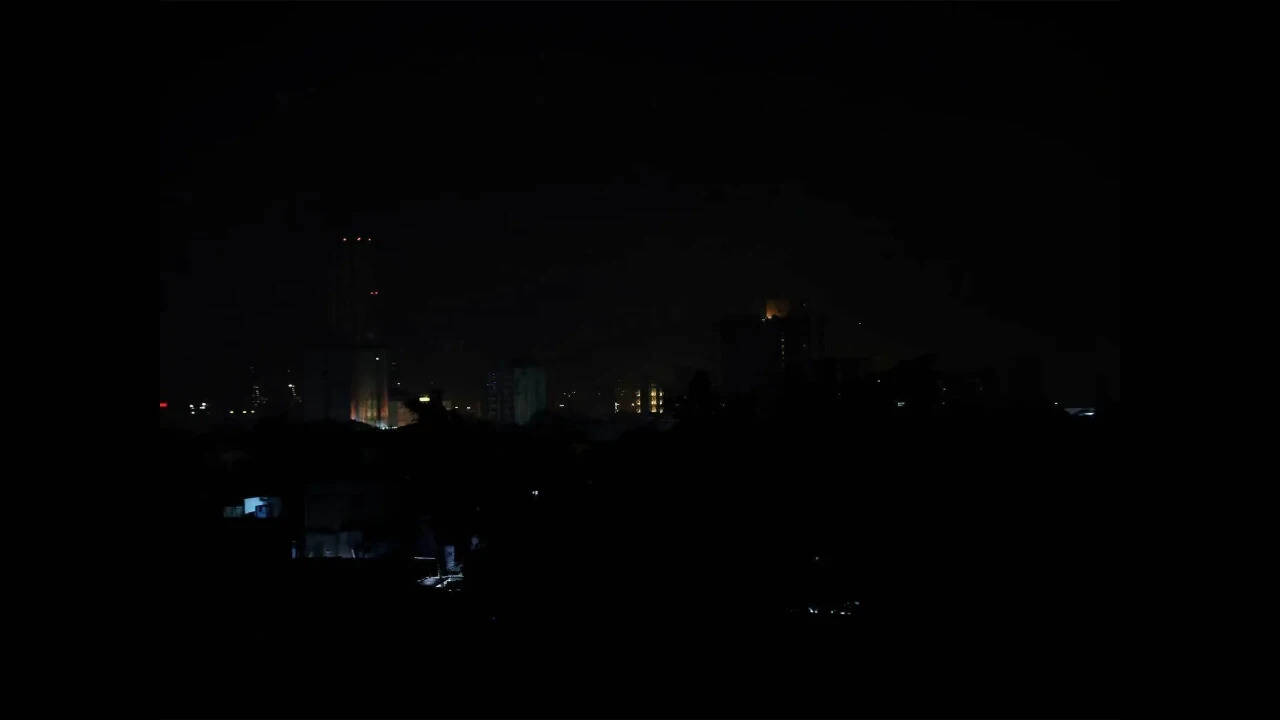
You sit in the dark while the ceiling fan hangs dead above you. Outside, the roar of burning tires tells you another neighborhood has snapped.
When daily electricity blackouts stretch past twelve hours in Pakistan's commercial capital, patience evaporates. Karachi residents aren't just dealing with inconvenience anymore. They're facing a systemic collapse that turns normal neighborhoods into war zones of frustration.
When Bill Payers Carry the Burden
The math never adds up for an ordinary citizen living in areas like Liaquatabad, Pak Colony, or Gharibabad. You scrape together enough money to clear your utility bills every single month. Yet, your reward is a punishing twelve-hour block of unannounced load-shedding.
K-Electric, the city's sole power distributor, points the finger straight at massive theft and billions in unpaid arrears. They argue that recovery losses force them to regulate supply. But collective punishment feels entirely different when you live it.
Families watch food spoil in warm refrigerators. Children try to study by the feeble glow of a mobile phone screen because ceiling fans won't turn. When power cuts shut down municipal water pumping stations, the crisis compounds instantly. No electricity means no water. That is the breaking point.
The Gridlock Trap
Block major roads with burning tires, and the entire city paralyzes itself within minutes.
When protesters take over intersections near Nishtar Road or the Civic Centre, the ripple effect tears through District South and beyond. Commuters trapped in office transport find simple evening commutes turning into four-hour nightmares.
Imagine sitting in a stranded vehicle while an ambulance carrying a feverish relative stays locked in a gridlock near the Civic Centre for hours. These aren't abstract statistics. These are real human costs playing out on asphalt every time the grid fails. Traffic police scramble to set up alternative routes, but those quickly choke under the sheer weight of diverted cars, goods trailers, and public transport.
Breaking the Cycle of Infrastructure Failure
Fixing Karachi's energy rot requires more than temporary crackdowns or blaming neighborhoods for illegal hookups. Accountability needs to cut both ways.
- Targeted Enforcement: Utilities must isolate non-paying consumers and line-tappers directly without plunging entire grids of compliant citizens into darkness.
- Infrastructure Upgrades: Aging transformers and neglected sub-stations buckle under peak summer loads because maintenance lags far behind demand.
- Transparent Communication: Sudden, unannounced trips breed immediate paranoia and rage. Reliable scheduling allows households to plan basic survival.
Until energy providers and local authorities fix the root causes of distribution losses, the streets of Karachi will keep burning. People pushed to the edge have nothing left to lose.