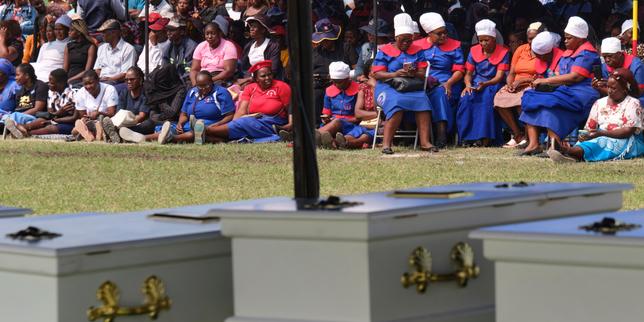
The tragic sinking of a government-operated ferry on Lake Kariba this week has claimed 92 lives, turning a vital transport route into a site of national mourning. When we look past the headlines, it's clear this wasn't just a freak accident caused by sudden bad weather. It's a harsh reminder of how fragile infrastructure and oversight can be in rural areas that rely on aging, overloaded transit systems.
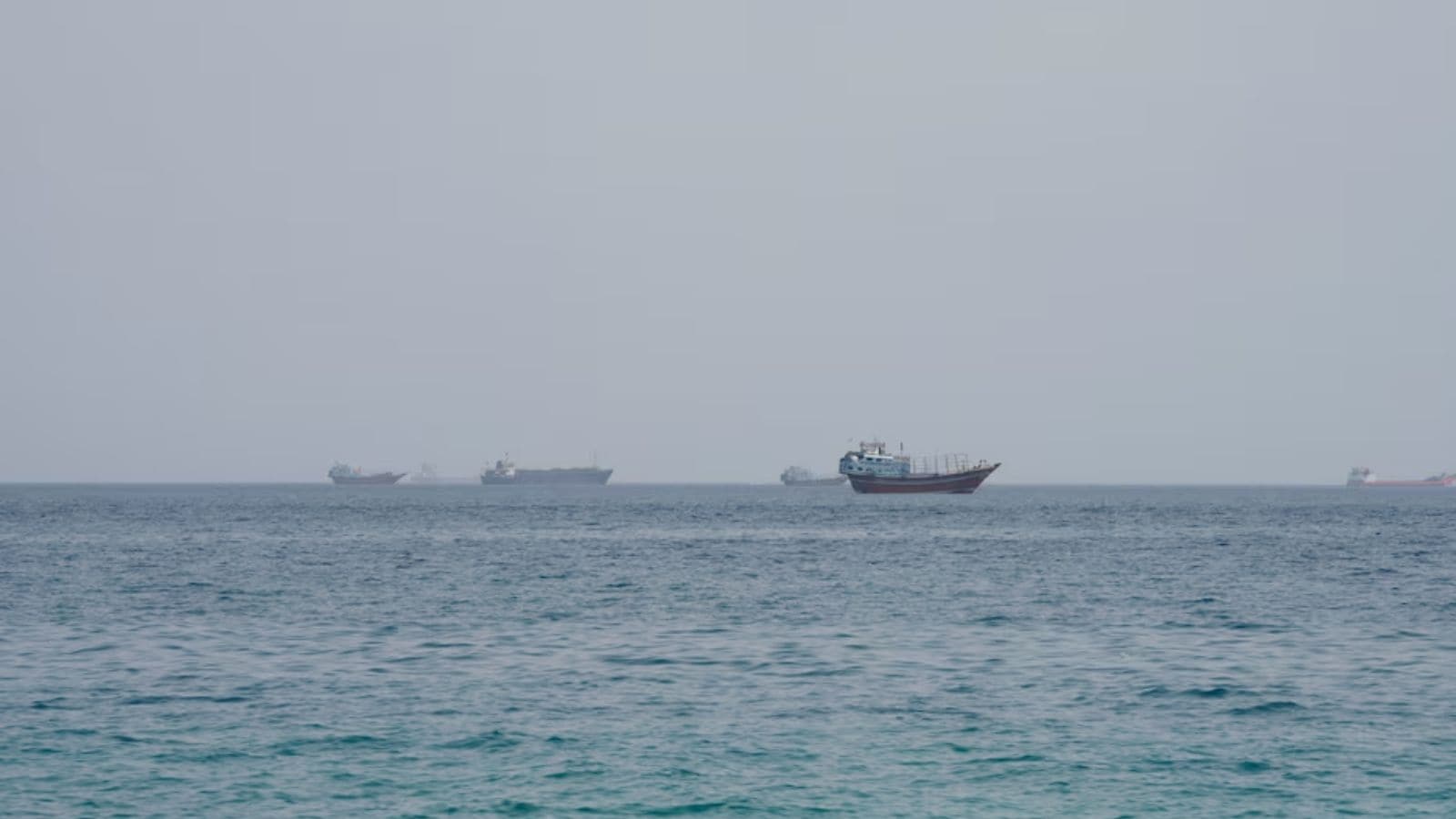
The ferry, managed by the Rural Infrastructure Development Agency, went down near Long Island after being overwhelmed by heavy swells. While reports suggest the vessel was licensed to carry 90 people, it was carrying at least 153 souls, including 114 adults, five crew members, and an unknown number of children. The math here is simple and brutal. You simply cannot pack that many extra bodies onto a vessel and expect it to hold up when the water gets rough. Meanwhile, you can read similar stories here: Why Every Security Expert is Wrong About Catfishing World Leaders.
The Reality of Rural Transit in Zimbabwe
For the villagers and fish traders who live along the shores of Lake Kariba, this ferry wasn't a tourist cruise. It was a lifeline. People living in places like the fishing camp at Chalala rely on these routes to reach the town of Kariba for essential supplies, medical care, and trade. When these systems fail, the impact on these communities is immediate and devastating.
I’ve seen how these rural logistics work. There's often a lack of alternatives. If you need to cross the lake, you take the boat that's available, even if you see it’s riding dangerously low in the water. People often don't have the luxury of waiting for the next, less-crowded trip. That’s the tragedy of necessity. To explore the complete picture, check out the recent report by The Washington Post.
What Went Wrong
The immediate cause cited by authorities is the severe weather that hit the lake on Tuesday. We’re talking about massive, unpredictable swells on the largest artificial lake in the world by volume. However, pinning this entirely on "bad weather" lets the systemic failures off the hook.
- Overloading: The vessel was significantly beyond its capacity.
- Oversight: The RIDA, a government agency, was the operator. The question isn't just why the boat hit a wave, but why it was allowed to leave the dock with nearly double its capacity in the first place.
- Rescue Lag: While the Civil Protection Unit quickly activated rescue efforts—including helicopters and dive teams—the sheer scale of the accident and the cold water temperatures made recovery slow. The process of identifying victims at the Kariba District hospital has been a heartbreaking ordeal for hundreds of families.
Why This Matters Now
President Emmerson Mnangagwa has declared a state of catastrophe under the Civil Protection Act, which is a necessary step to mobilize resources. But the real work comes later. The government needs to look at the state of its entire fleet serving these rural communities.
Are there enough vessels to handle the demand? Are there strict enforcement protocols to prevent overloading? These aren't just administrative boxes to check. They are life-or-death standards. If you're traveling in remote regions of Africa, or anywhere where maritime safety is lax, remember that the "official" capacity on a ticket often bears little resemblance to the reality of the boarding process.
It’s easy to look at this and see a singular disaster. But if we don't start questioning the standards of our essential public services, we’re just waiting for the next one to happen. The search for the missing continues, and the focus remains on recovery, but the pressure for a full audit of these transit lines is only going to grow.
Moving forward, authorities must prioritize transparency in how these transport agencies are audited. If the infrastructure can't support the population, then the solution isn't to ignore the problem until a boat sinks. It’s time for a radical upgrade to how people move across our most vital waterways.