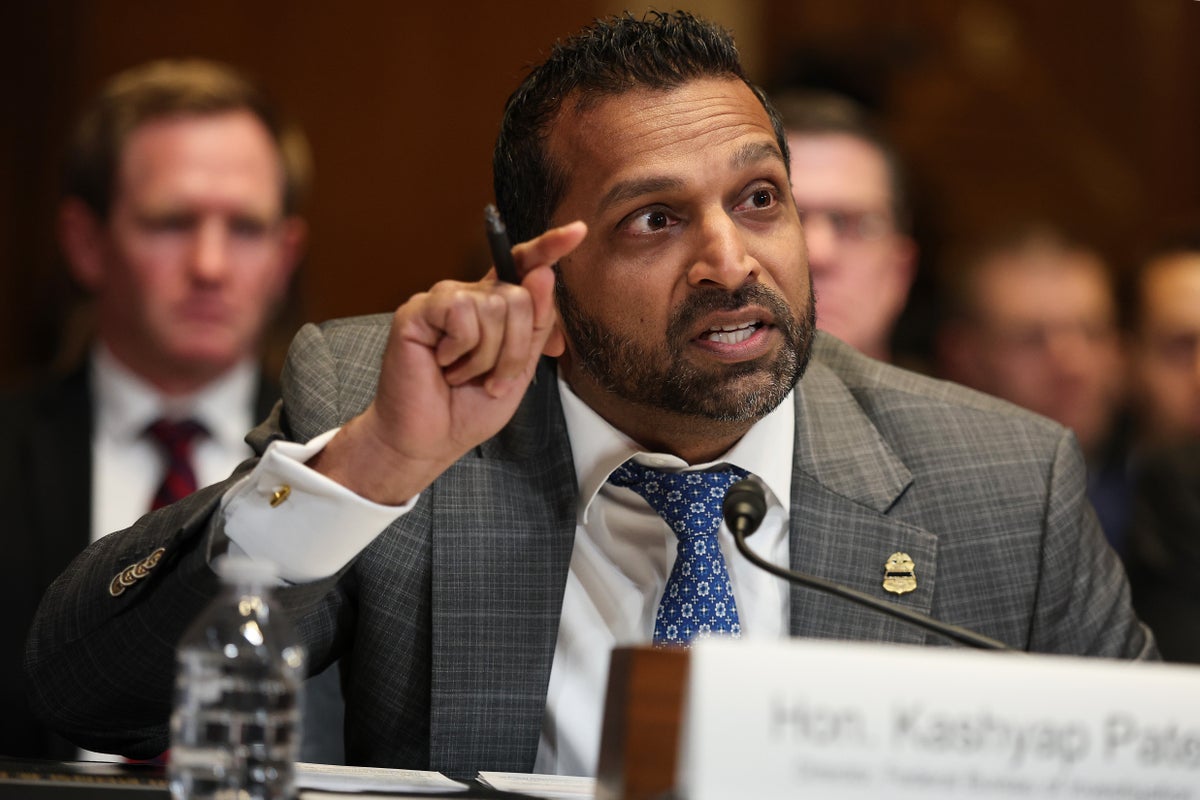
FBI Director Kash Patel is planning a trip to Russia this autumn, and the diplomatic world is reeling.
Reports indicate that Patel scheduled visits to Moscow and St. Petersburg for October 14 and 15. If the itinerary holds, he'll become the first sitting FBI director to step foot on Russian soil in over thirteen years. His prospective host? The Federal Security Service, or FSB, the primary successor agency to the Soviet KGB.
That choice alone turned heads in Washington. Relations between the United States and Moscow are colder than they've been in decades. Russia remains locked in a bloody conflict in Ukraine, while Capitol Hill pushes for ever-stricter sanctions. Yet the head of American domestic intelligence is preparing to fly straight into the heart of Russian state security.
FBI Director Travel Plans to Moscow Break a Decade of Silence
Security officials usually avoid unnecessary travel to adversary capitals. When news broke that Kash Patel planned an October trip, national security analysts immediately questioned the timing.
The White House redirected press inquiries about the visit to the FBI, while the Department of Justice and the bureau itself stayed silent. Kremlin spokesperson Dmitry Peskov didn't confirm or deny the visit either, merely observing that high-stakes intelligence discussions usually happen behind closed doors.
That silence speaks volumes.
A trip like this doesn't happen on a whim. Planning requires months of back-channel coordination between the State Department, the National Security Council, and Russian diplomatic liaisons. The fact that details leaked now suggests deep friction inside the administration over whether the visit should happen at all.
You have to look back to 2013 to find the last time an FBI chief made a similar journey. Back then, Robert Mueller traveled to Moscow to discuss counterterrorism cooperation following the Boston Marathon bombing. The world looked completely different. Russia hadn't launched its full-scale invasion of Ukraine, and bilateral security channels were still somewhat functional.
Today, those channels are almost entirely frozen.
What Patel Expects to Find in Moscow and St. Petersburg
The tentative itinerary covers two main stops over forty-eight hours. First, Moscow. Then, St. Petersburg.
What exactly is on the table remains closely guarded. Neither the FBI nor the Russian government released an agenda. Official sources haven't confirmed if Patel will meet Russian President Vladimir Putin or stick purely to security chiefs like FSB Director Alexander Bortnikov.
Historically, intelligence directors limit these encounters to specific operational topics:
- Cybercrime networks operating out of Russian jurisdictions
- Transnational drug trafficking networks
- Counterterrorism threat sharing
- Prisoner exchanges and detainee negotiations
Yet experts remain skeptical about what concrete results Patel can achieve. Russian security services rarely hand over cybercriminals unless it serves a distinct geopolitical purpose. Counterterrorism cooperation, once a staple of post-9/11 relations, collapsed as Moscow shifted its focus toward military operations in Eastern Europe.
If Patel expects genuine operational breakthroughs, he might be disappointed. Russian intelligence agencies view these visits through a political lens first and a law enforcement lens second. Host countries use visits from senior American officials to signal legitimacy, showing their home audience that Washington still comes knocking when high-level problems arise.
A History of FBI Directors Visiting Russian Intelligence
To understand why this planned trip causes such a stir, look at how rarely FBI leaders make the journey.
The FBI primarily handles domestic law enforcement and counterintelligence within U.S. borders. Overseas trips by the director do happen, but they usually target close treaty allies like the Five Eyes network or European partners. Journeys to rival nations are rare and fraught with risk.
Louis Freeh visited Moscow in the 1990s as the U.S. tried to help post-Soviet Russia tackle organized crime. Robert Mueller made trips in the mid-2000s and again in 2013 to coordinate on shared security concerns.
Notice the pattern.
Every previous visit coincided with periods where Washington actively sought a working partnership with Moscow.
Mueller's 2013 trip, ironically, occurred just years before he was appointed special counsel to investigate Russian interference in the 2016 U.S. presidential election. That investigation became a central point of political combat in Washington for years.
Patel built much of his national political profile by attacking that very investigation. During his time as a staffer on the House Intelligence Committee and later in senior national security roles, he repeatedly denounced the probe as a political setup.
Now, the man who spent years attacking the Russiagate investigation is scheduled to sit across the table from the FSB in Moscow. The symbolism is hard to ignore.
The Politics Behind Traveling During Ongoing War and Sanctions
The timing couldn't be more delicate politically.
Congress continues to debate additional military funding and sanctions packages aimed at punishing Moscow. European allies are actively trying to isolate Russian leadership diplomatically and economically.
A high-profile visit by the FBI director risks sending mixed signals.
Supporters of the trip argue that maintaining open lines of communication is vital, even with adversaries. They point to former CIA Director Mike Pompeo's defense of intelligence dialogue in 2018, when he argued that talking to Russian security chiefs was necessary to protect American lives against global terrorism. Keeping a channel open doesn't mean backing down on core conflicts.
Critics see it differently. They argue that sending the FBI director to Moscow during an active war undermines diplomatic isolation efforts. It grants the Kremlin a propaganda win at a time when Western nations are trying to present a united front.
There's also the question of domestic political timing. October puts this trip weeks before critical midterms in the United States. Anything Patel says or does in Moscow will be scrutinized under a intense political microscope at home.
Domestic Scrutiny and Travel Controversies Following Patel
This planned flight to Moscow isn't the only travel plan bringing heat on the FBI chief.
Patel is already under fire from Capitol Hill over his use of official government transport. Senior Democrats on the House and Senate judiciary committees launched a joint inquiry into his travel practices, questioning several high-cost trips taken on government aircraft.
Critics highlighted several specific journeys:
- A trip to Italy to attend the Olympic men's hockey gold medal game
- A stop in Hawaii that included snorkeling near the USS Arizona memorial
- Multiple flights to attend performances by his girlfriend, a country music singer
Defenders maintain that as FBI director, Patel requires continuous, secure communication capabilities and specialized security detail everywhere he goes, making government aircraft standard protocol regardless of the destination.
Still, the optics create real headaches. When a chief already faces questions about travel expenses, planning an expensive, highly controversial trip to an adversary nation like Russia only turns up the heat.
How Intelligence Cooperation Actually Works Between Cold Rivals
When top intelligence officials meet rivals, the dynamic bears little resemblance to standard diplomatic summits. There are no grand signing ceremonies or joint press conferences.
The mechanics are cold and transactional.
Meetings usually take place in heavily secured government facilities or neutral safe houses. Every room is assumed to be bugged. Every gesture is calculated. Senior officials bring tight contingents of trusted aides, translation specialists, and security guards trained specifically to counter foreign surveillance techniques.
When an FBI director sits down with the head of the FSB, the conversation usually sticks to a strict script:
- Clear Boundaries: Both sides lay out non-negotiable positions early to avoid misunderstandings that could trigger accidental escalation.
- Specific Demands: The U.S. delegation typically presents specific demands, such as taking down specific ransomware groups operating within Russian borders or releasing wrongfully detained Americans.
- Information Trading: Intelligence chiefs swap narrow operational items where interests happen to align, such as tracking specific terrorist threats moving through Central Asia.
- Assessment: The real value for Washington often comes from assessing the foreign official face-to-face, reading body language, and gauging internal Kremlin dynamics.
The danger in these meetings is leverage. The host country holds all the local control. Russian intelligence services are famous for creating media moments or dropping unexpected demands into private sessions to catch visiting officials off guard.
For Patel, stepping into FSB headquarters means walking into an environment engineered to give his hosts every tactical advantage.
How to Track Official High Level Foreign Delegations Moving Forward
If you want to follow how this situation develops over the coming months, keep your eye on official indicators rather than political commentary.
Start by monitoring official congressional committee schedules. The House and Senate Judiciary and Intelligence committees routinely call agency heads for oversight hearings when major foreign policy moves leak. Watch for subpoena requests or formal letters from committee leadership demanding travel manifests and agenda documents.
Next, watch State Department travel advisories and White House press briefings as October approaches. Any official adjustment to U.S. diplomatic posture in Moscow will show up in foreign policy briefings before the director boards an airplane.
Finally, check public flight tracking data and formal diplomatic readouts from both the FBI and the Russian Foreign Ministry. When high-level security visits actually happen, official readouts—however brief—provide the only confirmed record of what took place behind closed doors.