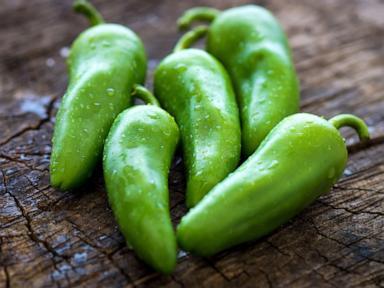
Food safety panics always seem to hit the restaurants we visit most often. If you have eaten a spicy burrito bowl lately, you might want to pay attention. A multi-state Salmonella outbreak linked directly to imported jalapeno peppers has sickened at least 345 people across 27 states, forcing major chains like Chipotle Mexican Grill and Qdoba into immediate damage control.
The Centers for Disease Control and Prevention along with the Food and Drug Administration traced the outbreak strain to peppers grown in Sinaloa, Mexico, and imported by Coast Citrus Distributors. Thirty-six people have been hospitalized so far. Recently making headlines in this space: Inside the mRNA Flu Shot Revolution That Will Change Winter Forever.
If you are wondering whether your favorite lunch spot is still dangerous, the short answer is no. Both Chipotle and Qdoba pulled the affected ingredients off their lines. Federal health authorities have stated clearly that there is no longer an ongoing risk at these specific restaurant locations. But the situation exposes deep vulnerabilities in the fresh produce supply chain that affect every consumer who eats out.
Tracing the Contamination Source
Tracking down foodborne illness is messy work. When public health officials noticed a sharp spike in Salmonella Javiana infections, they started interviewing people about what they ate. In places like Minnesota and Colorado, patterns emerged instantly. Dozens of sick individuals pointed to the exact same meals consumed between mid-June and mid-July. More information into this topic are explored by Medical News Today.
Investigators followed the paper trail backward through distributors. The common denominator turned out to be jalapenos imported by Coast Citrus Distributors from growers in Sinaloa.
Chipotle took the initial hit when the Minnesota Department of Health flagged local cases. Out of dozens of interviewed patients in that state alone, the vast majority had eaten at Chipotle locations. Stocks reacted violently, dropping over 8% as news of the contamination spread. Qdoba quickly followed suit, wiping jalapenos entirely off their menus out of an abundance of caution.
Recognizing the Symptoms and Risks
Salmonella isn't just a mild stomach ache. Anyone who has dealt with it knows it ruins your week. Symptoms usually kick in anywhere from six hours to six days after exposure.
Watch out for these warning signs:
- Severe diarrhea
- High fever
- Intense abdominal cramps
- Nausea and vomiting
While healthy adults usually bounce back after a few miserable days, the infection poses severe risks to young children, older adults, and anyone with a compromised immune system. If you ate a dish containing fresh jalapenos recently and developed these symptoms, you need to contact a healthcare provider immediately.
The Broader Vulnerability in Restaurant Supply Chains
This outbreak didn't happen in a vacuum. It follows a wave of food safety scares plaguing the restaurant industry, including widespread cyclosporiasis outbreaks tied to imported lettuce.
When restaurants scale up, they rely heavily on complex, international supply networks. A single farm in Sinaloa can supply massive distribution hubs that service thousands of restaurants across dozens of states. If contamination happens at the farm or packing level, the velocity of fast food distribution means thousands of people are exposed before anyone notices a trend.
Chipotle learned harsh lessons from past food safety crises that nearly crippled the brand years ago. Because of that history, their operational response this time was swift. They switched suppliers for impacted stores by July 20. Qdoba halted jalapeno service entirely by July 28. Their speed prevented this localized issue from turning into a nationwide catastrophe.
Practical Steps to Protect Yourself
You cannot inspect every pepper that lands on your plate. However, you can manage your exposure when food safety alerts hit the news.
Keep these practical rules in mind:
- Monitor health alerts: Pay attention to local health department announcements if a regional outbreak makes headlines.
- Know the source: If you buy fresh produce from local markets, ask where it was grown, though commercial restaurant outbreaks are harder to screen independently.
- Report symptoms early: If you suspect food poisoning, reporting it to your local health clinic helps epidemiologists catch outbreaks before they expand.
Check your fridge, stay informed, and don't panic over restaurant chains that have already isolated and fixed their supply lines.