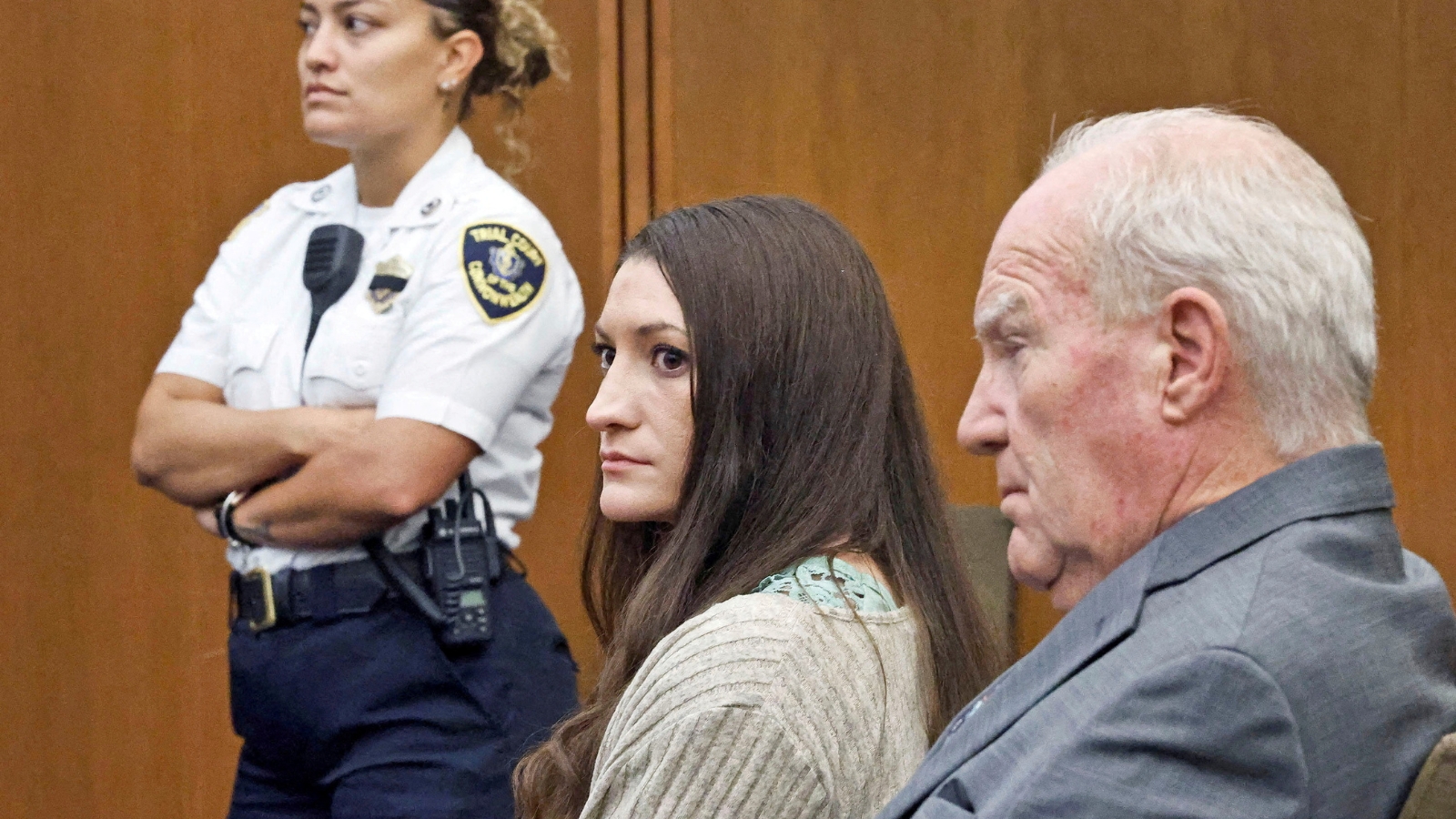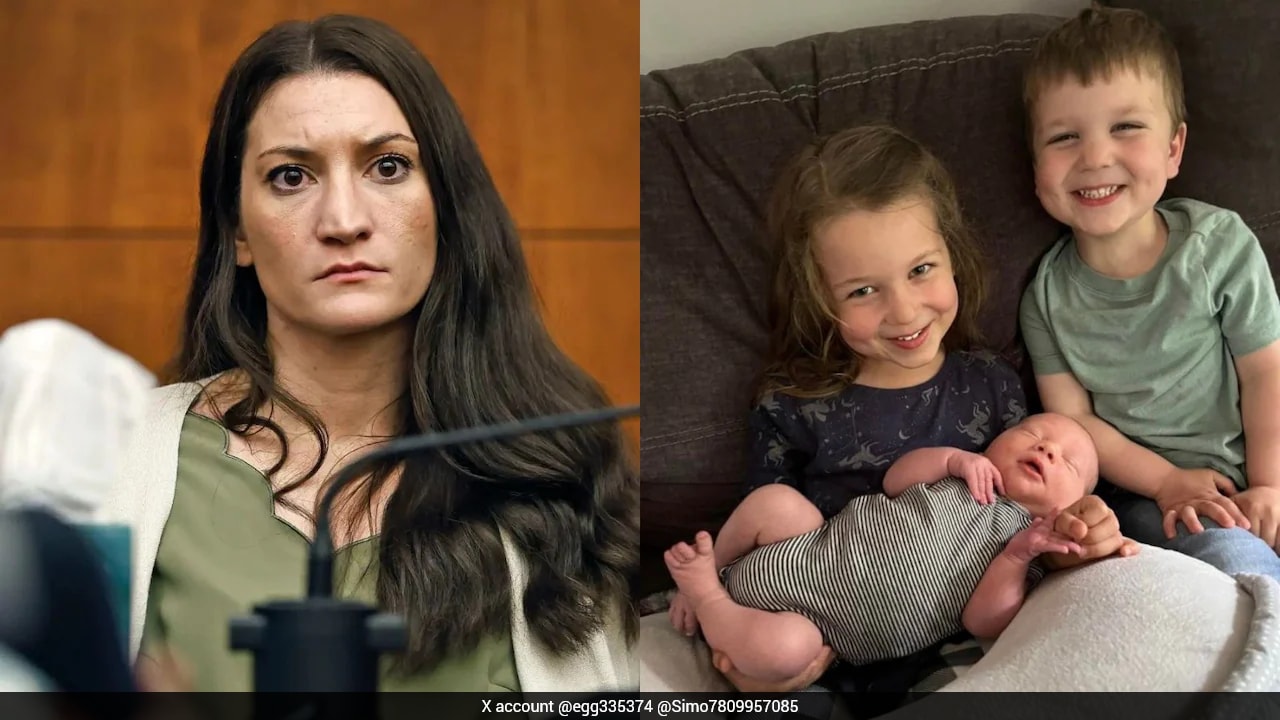
When a Massachusetts jury deadlocked after seven days of grueling deliberations, Judge William Sullivan officially declared a mistrial in the high-profile murder case of Lindsay Clancy. Clancy doesn't deny strangling her three young children—Cora, Dawson, and Callan—in their Duxbury home back in January 2023. But the central battleground of this trial was never about physical actions. It was about criminal responsibility, severe mental illness, and a society that routinely fails mothers experiencing postpartum psychosis.
The 12-person jury sat through a grueling five-week trial featuring testimony from over 80 witnesses. They listened to harrowing details about prescription drugs, psychiatric hospitalizations, and the desperate months leading up to the tragedy. In the end, reports indicated an 11-to-one split, with a single holdout preventing a unanimous verdict. Defense attorney Kevin Reddington argued fiercely that his client was robbed of an acquittal by a juror pushing an agenda, while prosecutors maintained that Clancy planned the killings deliberately and understood her actions.
The Medical Reality Behind the Tragedy
Postpartum psychosis is rare, terrifying, and deeply misunderstood. It affects roughly one to two women per thousand births, triggering severe delusions, auditory hallucinations, and radical disconnects from reality. Defense experts painted a picture of a woman whose mind was entirely hijacked by severe psychiatric distress following childbirth.
Prosecutors countered with a different narrative. They pointed to logistical details, arguing that sending her husband out to pick up medicine and dinner proved premeditation. That gap in interpretation lies at the heart of why jurors couldn't agree. When a brain is gripped by acute psychosis, linear logic breaks down. Expecting rational behavior from an irrational mind is a fundamental flaw in how the legal system approaches mental health defenses.
What Happens Next in the Courtroom
With the mistrial declared, Clancy remains confined to a psychiatric hospital while prosecutors weigh their next moves. Plymouth County District Attorney Timothy Cruz faces a tough choice. Does the state burn more public resources and put grieving family members through a second grueling trial, or do they re-evaluate the path forward?
If a second trial happens, the entire jury selection process starts from scratch. Experts suggest that defense teams will likely push hard against retrying a case that exposes profound cracks in maternal healthcare structures. Yet, prosecutors feel an obligation to secure a verdict for the three children who lost their lives.
The public outcry highlights a broader cultural failing. Thousands of mothers face intense hormonal changes and sleep deprivation with virtually no safety net. Blaming individual medical failures or reducing the situation to a simple criminal act ignores the systemic neglect surrounding postpartum care. Until the medical and legal communities learn to properly recognize and treat severe psychiatric crises in new mothers, tragedies like this will keep tearing families apart.
LIVE | Lindsay Clancy trial: Judge declares mistrial
This broadcast provides live coverage and legal analysis following the judge's decision to declare a mistrial in the Lindsay Clancy case.
http://googleusercontent.com/youtube_content/1