The cabin air always smells slightly stale at thirty-five thousand feet. It is a sterile, recycled scent of pressurized metal and distant coffee pots, punctuated by the low, steady drone of engines tearing through the stratosphere. Down below, the geography blurs. Rivers look like silver threads dropped on a dark rug; cities appear as sparse constellations glowing against the black canvas of the desert night.
To a passenger dozing against a window pane, looking out at the endless expanse, the sky feels like a sanctuary of absolute neutrality. It is an ocean of air without borders, where nations momentarily lose their grip on the earth. If you liked this post, you should check out: this related article.
Yet history teaches us a darker truth. The sky is never neutral. It is simply a higher-stakes map.
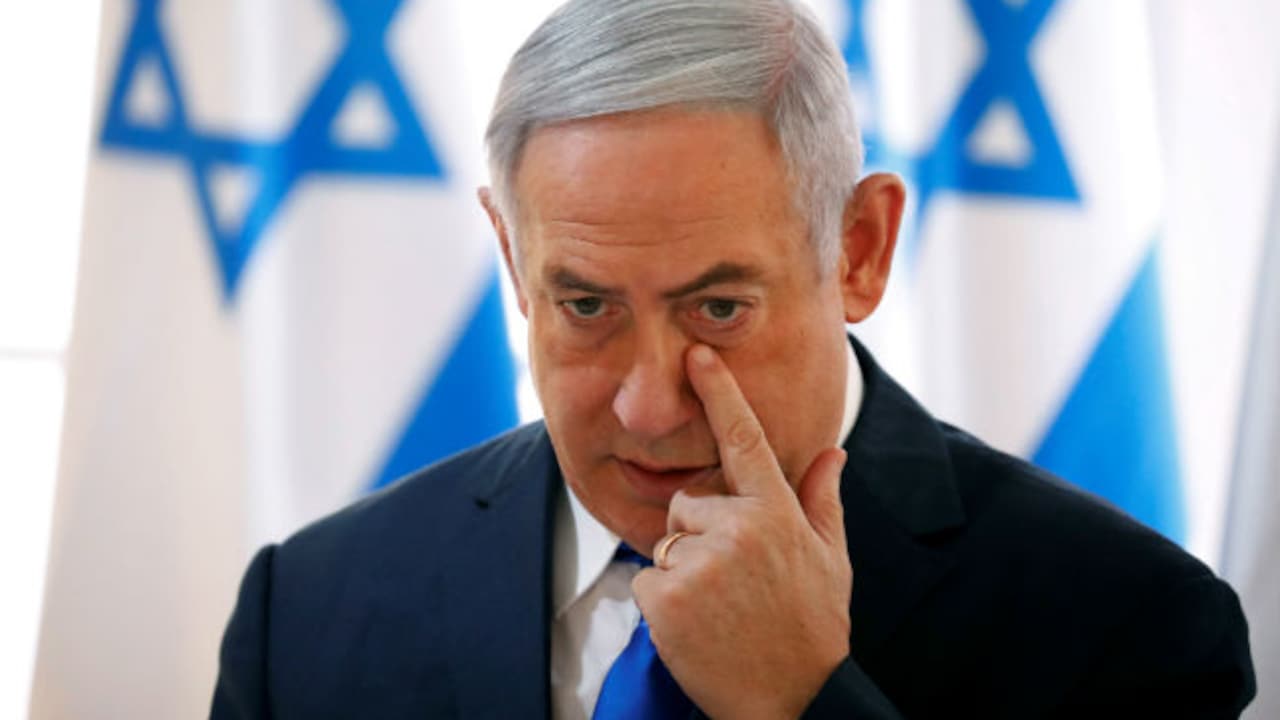
When Benjamin Netanyahu stood before the cameras and issued a warning that anyone behind a plot targeting flydubai would pay a very heavy price, he was not just talking about metal and wings. He was talking about sovereignty, about invisible lines drawn in the atmosphere, and about the fragile architecture of modern movement. For another perspective on this development, check out the recent coverage from The Guardian.
Consider what happens when a commercial flight becomes a chess piece.
Passengers boarding an aircraft do not check-in with thoughts of geopolitics on their minds. They worry about overhead bin space, whether their charging cable made it into the carry-on, or if the toddler in row twelve is going to scream all the way to Dubai. They are ordinary people chasing extraordinary lives, business deals, family reunions, or fleeting vacations. They trust the invisible machinery of global aviation. They trust that an airplane is a vessel of transit, not a target.
When that trust fractures, everything changes.
The warning issued by Israel's leadership was sharp, unyielding, and deliberate. It stripped away the polite diplomatic language that usually coats international tensions. It laid bare an uncomfortable reality. In an interconnected world, the arteries of globalization are vulnerable. Every major airline hub, every carrier crossing regional divides, operates within a web of intelligence, threat assessments, and covert chess matches that most travelers never see.
Think of an air traffic control room late at night. Scores of green digital blips drift across dark radar screens. Each blip represents hundreds of beating hearts, sleeping children, anxious travelers, and tired crew members. To the radar operator, they are codes and coordinates. To the families waiting at the arrival gates, they are entire worlds.
When a threat emerges against a specific carrier, it casts a long, chilling shadow over that entire digital map. It forces security agencies into a high-stakes game of shadows. Intelligence officers sift through fragmented chatter, encrypted messages, and whispered warnings across borders, racing against a clock that never stops ticking.
The rhetoric of a "very heavy price" is designed to echo across those same shadow channels. It is a psychological shield. It tells invisible adversaries that the cost of crossing the line will be catastrophic. deterrence, in the modern age, is rarely quiet. It requires volume. It requires teeth.
Yet, deterrence leaves collateral damage in its wake, and the damage is felt most acutely in the quiet spaces of human anxiety.
Imagine sitting at a departure gate in Dubai or Tel Aviv, watching the digital departure boards flicker. You read a headline on your phone about threats, plots, and warnings. Suddenly, the sterile terminal smells different. The hum of the coffee shop sounds louder. You look at the strangers sitting next to you—the businessman scrolling through spreadsheets, the student listening to music through worn-out earbuds, the elderly couple holding hands—and you wonder if the invisible war waging in intelligence bureaus has any safe distance left for ordinary lives.
This is the hidden cost of modern volatility. It creeps into the spaces where we used to feel secure. It turns transit into an act of quiet courage.
Aviation has always been humanity's grandest defiance of distance. It was built on the radical premise that we could bridge oceans and deserts, that we could look across political divides and say, we can visit you tomorrow. Every flight is a vote of confidence in a shared, open world.
When threats target that openness, they are trying to shrink our world back down. They want to herd us behind walls of fear, grounding our curiosity and our connections.
Netanyahu’s declaration was a line drawn in the sand—or rather, across the clouds. It was a declaration that the skies will not be surrendered to shadows. But speeches and warnings, no matter how stern, cannot entirely clear the air of the tension they address.
The engines will still roar on the tarmac. The flight attendants will still demonstrate how to use the seatbelt buckles. The silver birds will continue to climb through the troposphere, carrying their fragile cargo of human dreams and ordinary anxieties.
As you look out that small, rounded window, watching the lights of a distant city fade into the dark below, you realize the truth of the journey. We are all flying through the storm, trusting in invisible hands to guide us safely home, hoping against the dark that the lines drawn in the sky will hold.