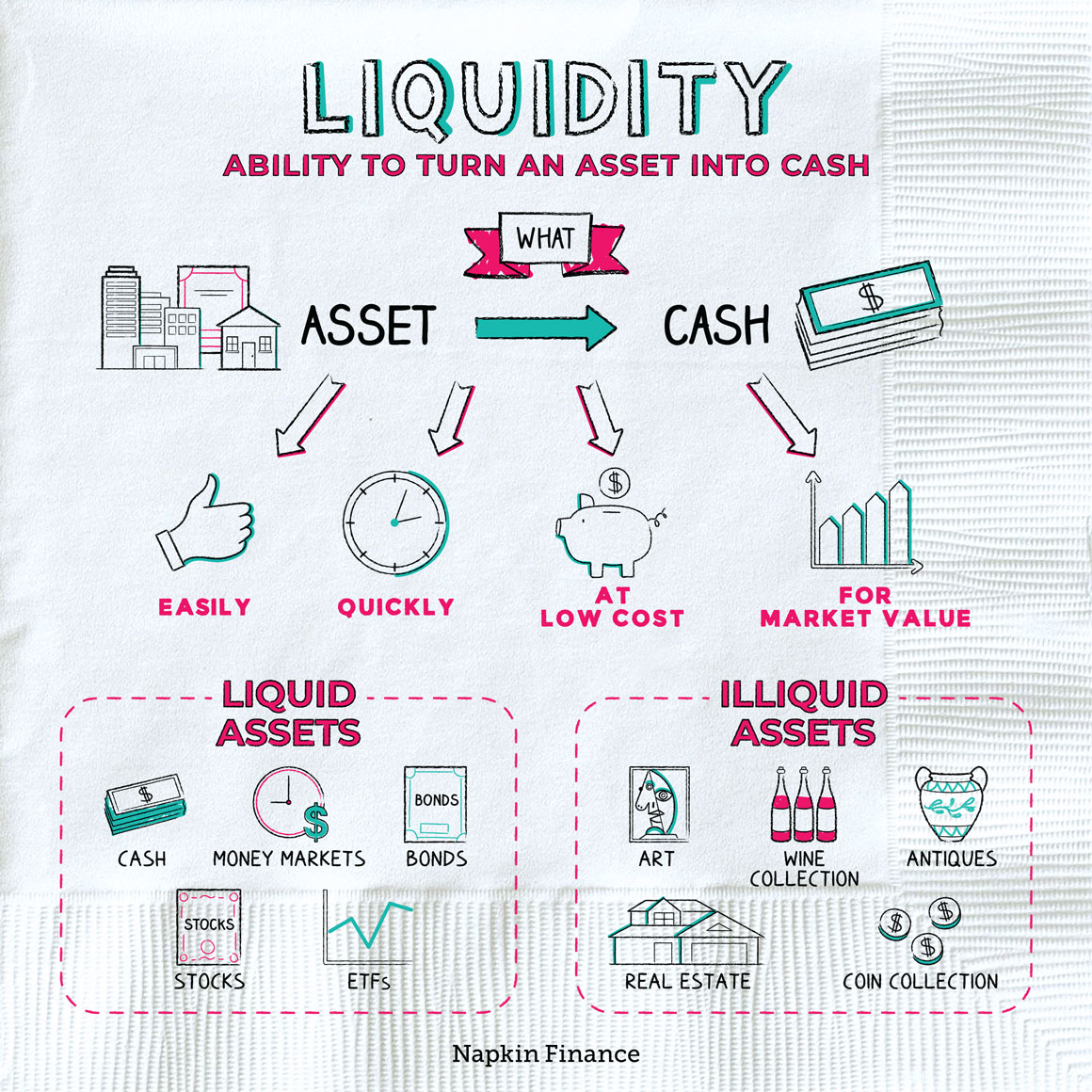
Indian equity rallies powered by foreign institutional inflows create a structural vulnerability when domestic inflation accelerates. Capital allocation in emerging markets operates on a strict arbitrage between external liquidity velocity and internal purchasing power stability. When Foreign Institutional Investors (FIIs) reverse net selling streaks and inject capital into Mumbai exchanges, asset prices inflate rapidly, masking underlying macroeconomic friction. This liquidity-driven recovery sets up a direct collision with monetary policy mechanics: sustained consumer price inflation forces the Reserve Bank of India (RBI) to defend the rupee and anchor inflation expectations by tightening domestic liquidity, which directly compresses the valuation multiples that attracted foreign capital in the first place.
The Mechanics of Foreign Flow Reversals
Foreign capital does not enter Indian equities based on long-term structural optimism alone; it responds to relative yield differentials, currency stability, and global risk-on liquidity cycles. Understanding a market recovery driven by FIIs requires breaking down the capital inflow transmission mechanism into three distinct operational phases.
Phase One The Global Yield Arbitrage
Institutional allocators in New York, London, and Singapore continuously benchmark Indian equity risk premiums against US Treasury yields and developed-market credit spreads. A stabilization or downward shift in US rate expectations lowers the opportunity cost of deploying capital into higher-beta emerging markets. Foreign desks initiate inflows by buying index-heavyweight liquid stocks—primarily private sector banks, information technology exporters, and energy conglomerates—because these equities offer the depth required to move nine-figure allocations without triggering prohibitive slippage.
Phase Two Domestic Institutional Absorption and Momentum Amplification
India possesses a structural buffer that did not exist a decade ago: systematic domestic flows via mutual fund Systematic Investment Plans (SIPs), insurance funds, and pension schemes. During FII outflow cycles, Domestic Institutional Investors (DIIs) absorb the selling pressure, preventing catastrophic drawdowns. When FIIs pivot back to net buyers, they compete with uninterrupted domestic monthly inflows for a finite float of high-quality large-cap shares. This dual-engine demand creates an acute supply-demand imbalance, driving rapid index appreciation that outpaces underlying corporate earnings growth.
Phase Three Valuation Expansion Over Earnings Growth
A liquidity-led recovery manifests primarily as Price-to-Earnings (P/E) multiple expansion rather than upward revisions in Earnings Per Share (EPS). Institutional risk models track this divergence closely. When index levels rise solely because more rupees and dollars chase identical cash flows, the margin of safety evaporates. The market becomes priced for macroeconomic perfection, leaving zero cushion for supply-side shocks or central bank intervention.
Anatomy of the Indian Inflation Test
Inflation in the Indian economy is structurally distinct from demand-pull inflation in post-industrial Western economies. Analytically, Indian Consumer Price Index (CPI) volatility stems from two primary vectors: food supply shocks and imported energy costs.
- The Food Basket Weighting Distortion: Food and beverages account for nearly half of India's CPI basket. erratic monsoon distributions, unseasonal heatwaves, or global agricultural supply bottlenecks trigger immediate spikes in staple prices—cereals, pulses, and vegetables. While central bank interest rate hikes cannot grow more crops, persistent food inflation spills over into household inflation expectations and wage demands, forcing the Monetary Policy Committee (MPC) to maintain a restrictive stance.
- Imported Energy and Currency Pass-Through: India imports the vast majority of its crude oil requirements. Rising global crude prices widen the Current Account Deficit (CAD) and exert downward pressure on the Indian rupee. A depreciating rupee increases the landed cost of all imported commodities, industrial inputs, and capital goods, transmitting external price shocks directly into domestic Wholesale Price Index (WPI) and core CPI readings.
- Core Inflation Stickiness: Excluding volatile food and fuel components, core inflation reflects pricing power in healthcare, education, housing, and personal care. When input costs rise, Indian manufacturers face a binary choice: absorb the cost and compress operating margins, or pass the cost to consumers and stoke core inflation. Neither outcome supports elevated equity valuations.
The Valuation Compression Function
When an FII-driven equity rally collides with an inflationary spike, three mechanical transmission channels erode stock prices. Portfolio managers must model these channels sequentially rather than in isolation.
Channel One The Discount Rate Penalty
In standard Discounted Cash Flow (DCF) valuation models, the intrinsic value of a business equals the sum of its future cash flows discounted back to the present using the Weighted Average Cost of Capital (WACC). The risk-free rate—anchored by the yield on the 10-year Indian Government Security (G-Sec)—forms the base of this discount rate. Inflation forces the RBI to delay rate cuts, drain excess banking system liquidity via Open Market Operations (OMOs), or raise the policy repo rate. As G-Sec yields climb, the discount rate rises, mathematically reducing the present value of long-duration corporate cash flows. High-growth sectors with back-ended earnings, such as consumer discretionary and technology, suffer the sharpest multiple compression.
Channel Two Corporate Margin Erosion
Inflation alters the income statement of non-financial corporations before it hits consumer demand. Rising raw material, logistics, and borrowing costs inflate the Cost of Goods Sold (COGS) and interest expenses. During the initial stages of an inflation cycle, corporate revenue growth appears artificially strong because top-line sales reflect higher unit prices. Beneath the top line, Earnings Before Interest, Taxes, Depreciation, and Amortization (EBITDA) margins contract. Analysts who rely on nominal revenue growth miss the deterioration in return on invested capital (ROIC) until quarterly earnings reports force downward EPS revisions.
Channel Three Rural and Urban Demand Destruction
India's consumption economy is bifurcated between affluent urban cohorts and price-sensitive rural populations. High food and fuel inflation acts as a regressive tax on lower- and middle-income households. When basic necessities consume a larger share of disposable income, households cut discretionary spending on two-wheelers, entry-level apparel, fast-moving consumer goods (FMCG) volumes, and home improvements. Volume growth stalls, leaving consumer-facing companies with pricing-led revenue that masks underlying demand weakness.
Misconceptions in Emerging Market Flow Analysis
Market commentary routinely misinterprets the relationship between foreign flows and domestic inflation, leading to flawed positioning.
- The Myth of FII Permanence: Commentary often treats a multi-week FII buying streak as a permanent structural shift in global asset allocation. In reality, a substantial portion of foreign inflow comes from fast-money hedge funds, quantitative momentum strategies, and Exchange-Traded Funds (ETFs) that execute programmatic rebalancing. These flows reverse within days if US inflation data surprises to the upside or if Indian macro prints deteriorate.
- The Domestic Liquidity Fallacy: Observers frequently argue that steady domestic SIP inflows make the Indian market immune to foreign selling and inflation shocks. While DII flows dampen volatility, domestic mutual funds still mark their portfolios to market. If inflation triggers an earnings recession, domestic retail investors experience negative trailing returns, which historically slows incremental SIP registrations and increases redemption requests.
- The Rate Cut Panacea: Traders often assume that the mere anticipation of an RBI rate cut will sustain equity multiples. Central banks do not cut rates into accelerating inflation just to support equity valuations. Furthermore, if the RBI eventually cuts rates because domestic economic growth is collapsing under the weight of high prices, the resulting earnings contraction outweighs the benefit of a lower discount rate.
Operational Limitations of Inflation Hedging in India
Institutional desks attempting to immunize Indian equity portfolios against inflation face severe structural constraints that invalidate textbook Western hedging playbooks.
- Commodity Producer Exposure Limits: In developed markets, allocators buy domestic energy and mining equities to hedge inflation. In India, state-owned enterprises dominate upstream oil, gas, and coal production. Government price controls, windfall taxes, and subsidy-sharing mandates frequently cap the upside margins of Indian energy producers during commodity spikes, breaking their utility as pure inflation hedges.
- Currency Hedging Costs: Foreign investors holding rupee-denominated assets face dual risk: equity drawdown and currency depreciation. Hedging INR exposure via offshore Non-Deliverable Forwards (NDFs) or onshore currency derivatives carries an interest rate differential cost. When inflation spikes, forward premiums widen, eroding the net yield of the hedged equity position.
- Liquidity Fragmentation in Mid- and Small-Caps: While large-cap indices absorb institutional hedging and sector rotation, the broader Indian market—comprising mid-cap and small-cap stocks—suffers from acute liquidity asymmetry. During risk-off inflation scares, bid-ask spreads widen drastically in second-tier counters, trapping institutional capital in positions that cannot be exited without severe market impact.
Capital Allocation Framework Under Inflationary Stress
Navigating the intersection of foreign liquidity rallies and domestic inflation tests requires abandoning index-level beta exposure in favor of balance-sheet durability and pricing-power filtration.
- Audit Gross Margin Resilience: Screen out businesses where raw materials exceed 50 percent of operating costs unless the firm demonstrates documented historical ability to pass through price hikes within a single quarter without losing market share. Favor asset-light software, financial infrastructure, and specialty service providers with minimal commodity input sensitivity.
- Isolate Net Cash Balance Sheets: Rising domestic yields punish leveraged balance sheets as floating-rate debt resets higher. Eliminate companies with Net Debt-to-EBITDA ratios exceeding 2.0x and prioritize cash-generative enterprises that earn higher interest income on their treasury balances when short-term rates rise.
- Track Real Rural Wage Growth Over Nominal Sales: Ignore management commentary celebrating nominal revenue growth in consumer staples and discretionary sectors. Monitor rural real wage data, tractor sales volumes, and monsoon reservoir levels to identify genuine volume recovery before committing capital to consumption themes.
- Monitor the FII-to-DII Ownership Ratio: Avoid crowded FII consensus trades during late-stage liquidity rallies. Stocks with disproportionately high foreign ownership suffer the most violent drawdowns when global macro triggers force automated risk-parity de-leveraging.
Reduce portfolio beta during liquidity-driven index peaks, rotate capital out of rate-sensitive consumer discretionary and leveraged cyclical stocks, and concentrate holdings in high-ROIC, net-cash businesses with demonstrated pricing power until core CPI trends firmly below the central bank's median target band.