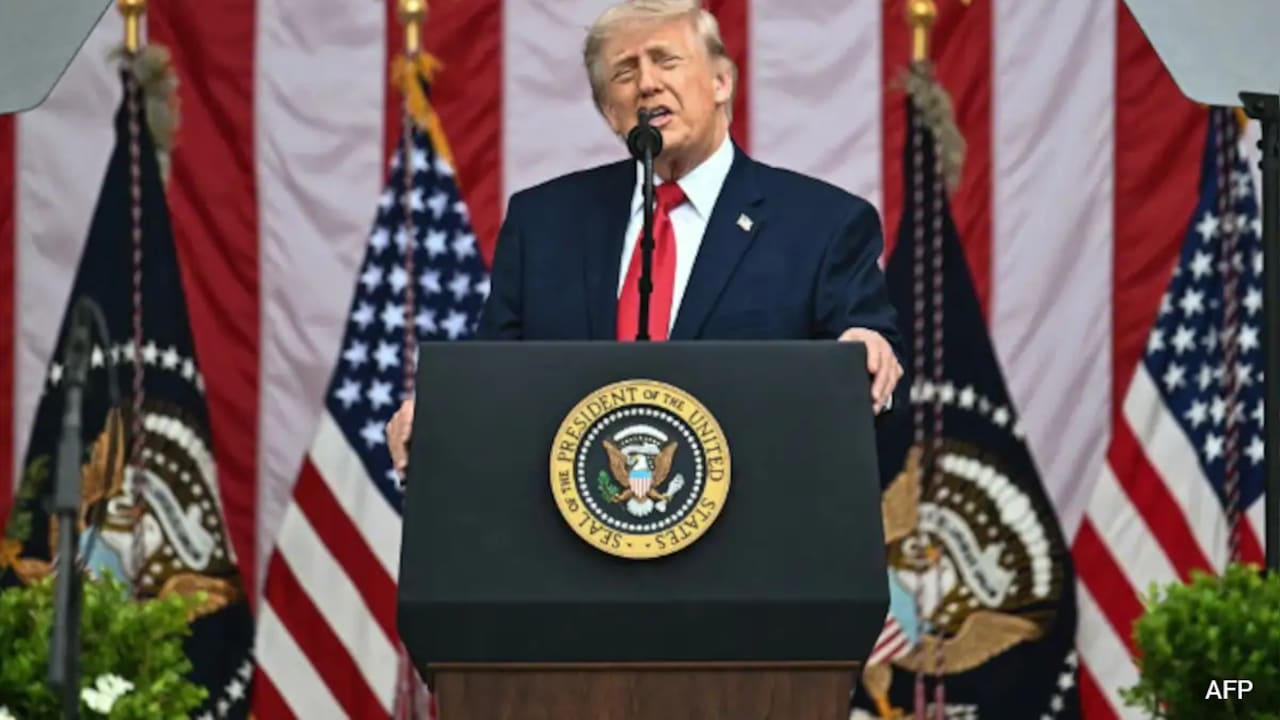
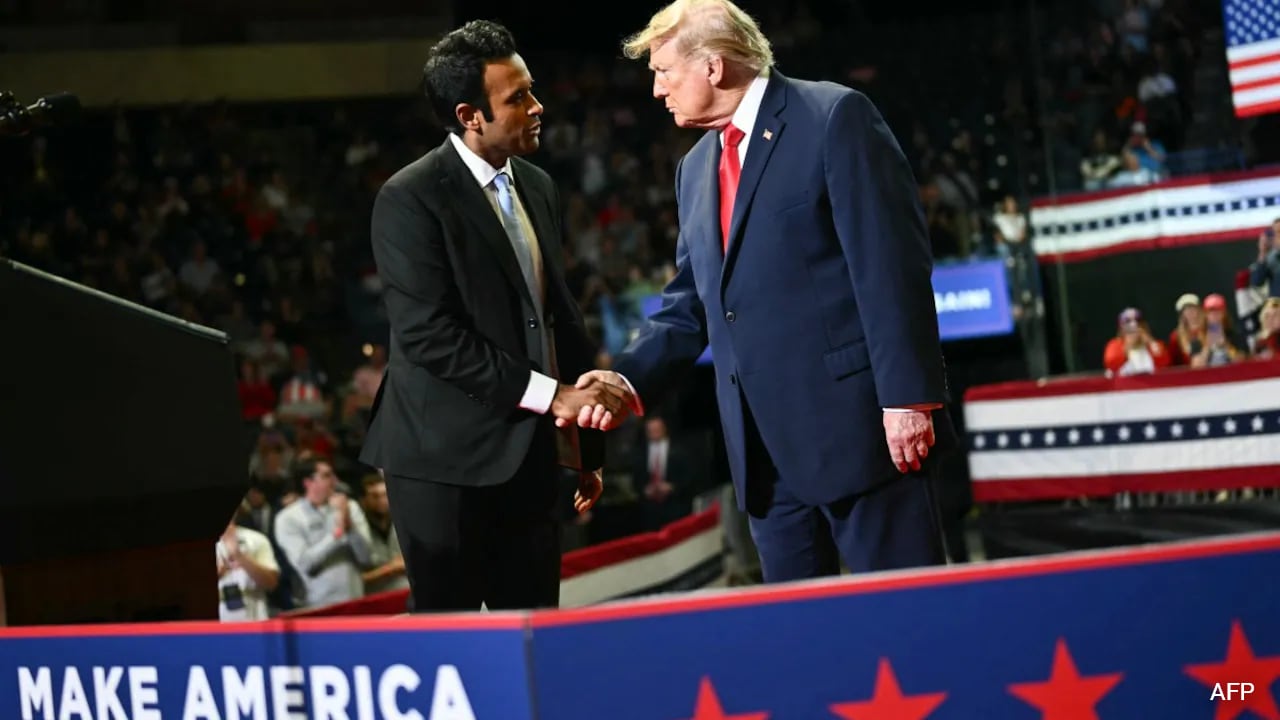
High stakes civil litigation involving sovereign figures and multinational media organizations relies entirely on the mechanical enforcement of procedural rules. When a plaintiff files a multi billion dollar claim, the structural requirements of discovery create immediate operational friction. The ongoing legal dispute between Donald Trump and the British Broadcasting Corporation regarding editorial splicing in a documentary exemplifies how judicial oversight of pre trial procedures dictates the viability of a high profile defamation action.
The procedural foundation of a defamation claim rests on establishing actual malice, particularly when the plaintiff is a public figure. In federal court proceedings overseen by U.S. District Judge Jeffrey Kuntz in the Southern District of Florida, the survival of the lawsuit past the motion to dismiss phase hinged on the interpretation of editorial compression. The broadcaster argued that splicing comments separated by substantial time intervals was standard journalistic practice for condensing lengthy footage. The judicial response rejected this defense at the preliminary stage, ruling that the specific editing choices could plausibly establish the requisite malice. This establishes a critical benchmark for media liability: structural alteration of source material that fundamentally shifts semantic meaning transcends routine condensation, thereby clearing the threshold required to advance toward trial.
Concurrently, the management of discovery obligations introduces strict operational constraints for plaintiffs. A primary friction point in this litigation materialized around the scheduling and enforcement of the plaintiff's deposition. Judicial posture in such matters operates on a reciprocal principle: active prosecution of a claim mandates personal participation in the discovery phase. When initial deposition dates are bypassed due to scheduling conflicts or concurrent professional obligations, the presiding court utilizes deadlines and potential dismissal sanctions to maintain procedural velocity. The subsequent adjustment of the trial calendar to May 2027 reflects the necessary accommodations required to secure sworn testimony while balancing judicial administration.
The economic and structural dimensions of the dispute further illuminate the parameters of corporate accountability in media litigation. The initial complaint encompassed both a defamation count and a consumer protection claim under Florida statutes, with the latter subsequently dismissed by the court. Narrowing the legal scope concentrates the evidentiary burden squarely on reputational injury and communicative intent. Meanwhile, corporate responses—marked by formal apologies regarding editing errors contrasted with an outright rejection of defamation liability—demonstrate the delicate equilibrium organizations must maintain between admitting operational failures and defending against catastrophic financial exposure.
The progression of this case from initial filing to mandatory deposition phases underscores the governing logic of modern civil procedure. Resolution will ultimately depend not on initial public statements or preliminary jurisdictional survival, but on the rigorous examination of internal editorial workflows and the direct testimony of the principal parties under oath.