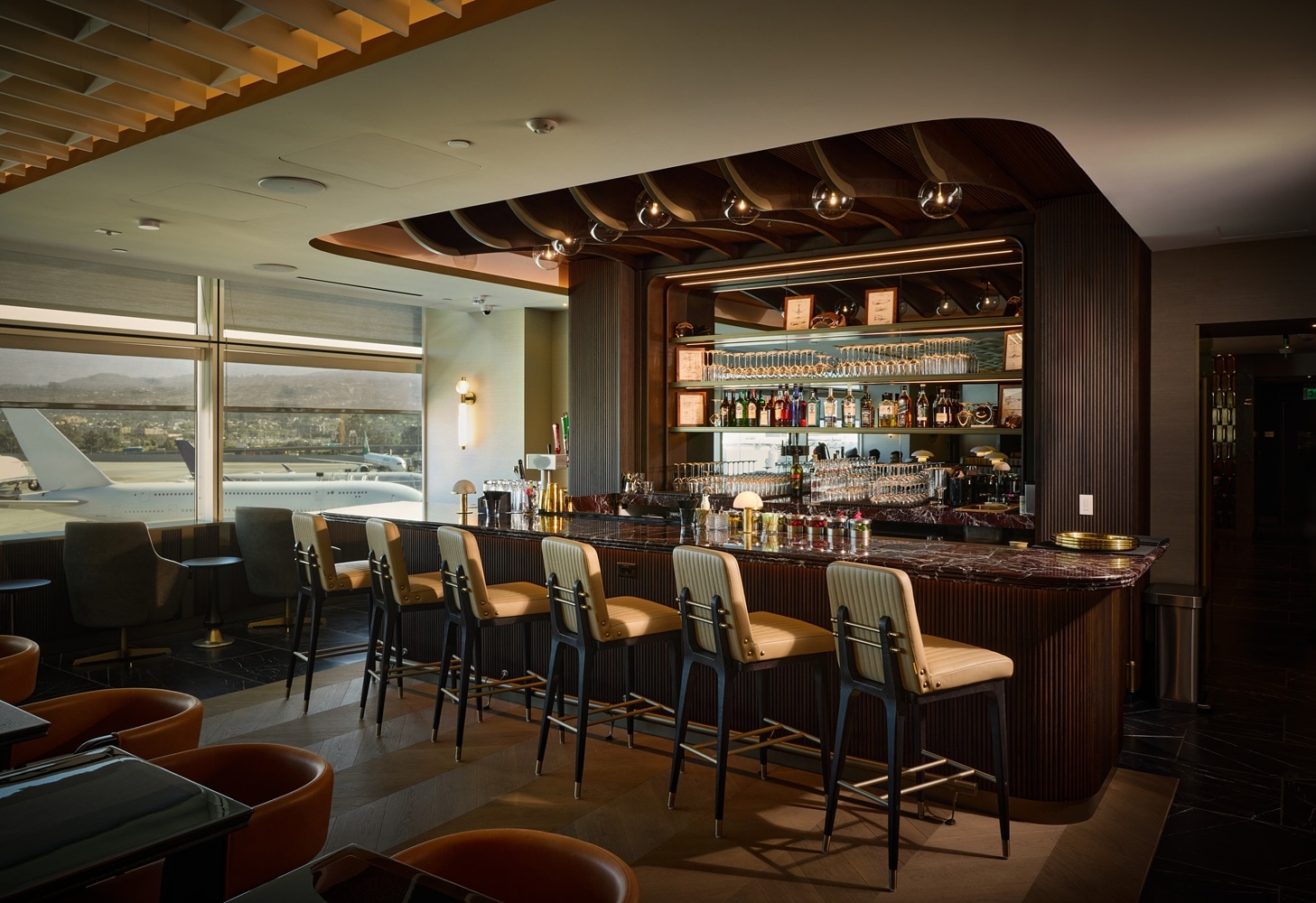
The aviation press is currently swooning over Air India’s new Maharaja Lounge at San Francisco International Airport. They are raving about the runway views. They are drooling over the bespoke buffet. They are celebrating the "premium experience" of sitting in a shiny new box at SFO’s International Terminal.
It is a masterclass in distraction.
While the industry applauds airlines for spending millions on terrazzo floors and artisanal coffee stations, nobody wants to state the obvious truth. The modern luxury airport lounge is an operational failure wrapped in velvet. It is a psychological trick designed to make you tolerate systemic travel inefficiencies.
I have spent fifteen years managing corporate travel budgets and analyzing airline yield metrics. I have seen companies watch productivity tank while their executives spend three hours sipping mediocre prosecco in a "premium oasis" because they arrived at the airport absurdly early. The entire premise of the luxury lounge is built on a lie. It convinces you that wasting time in an airport can be elite.
The Illusion of Exclusivity
Let us look past the marketing photos of the SFO Maharaja Lounge. The press highlights the 4,000 square feet of space and the seating for over 100 guests. They call it exclusive.
Step inside any premium lounge at a major hub like SFO, JFK, or Heathrow at 8:00 PM on a Thursday. The reality hits you immediately. It is not an oasis. It is a crowded cafeteria with nicer lighting.
The math behind lounge access has fundamentally broken the product. Between credit card partnerships, alliance tier statuses, and paid passes, airlines have monetized access to the point of saturation. When everyone is premium, no one is.
Lounge Capacity < Eligible Premium Passengers = The Waiting List Crisis
Airlines face an impossible operational paradox:
- They must offer lounges to attract high-yield business travelers.
- They must sell access via credit card partnerships to fund the massive real estate costs.
- The resulting crowding destroys the very tranquility they advertised to the business traveler.
You are not escaping the chaos of the terminal. You are just paying for a different flavor of it.
The True Cost of Runway-Facing Seats
The headline feature of the new SFO lounge is its "runway-facing seats." It sounds romantic. It appeals to the aviation geek in all of us.
From a productivity standpoint, it is a disaster.
Airport lounges used to be quiet, functional workspaces. They had private carrels, reliable Wi-Fi, and minimal distractions. Today, they are designed for Instagram. The focus has shifted from utility to aesthetics.
If you are a corporate traveler billing hundreds of dollars an hour, sitting in a glass box watching a Boeing 777 taxi across the tarmac is not a benefit. It is a distraction. The ambient noise of a crowded lounge, combined with open bars and constant foot traffic, makes deep focus impossible.
If you actually need to get work done before a twelve-hour flight to Delhi, the gate area or a quiet corner of a terminal restaurant is often less distracting than a lounge packed with vacationers taking photos of their buffet plates.
Dismantling the Premium Amenities Myth
Look closely at what these lounges actually offer. The media praises the "live cooking stations" and the "premium spirits."
It is a clever illusion. The food in ninety percent of airline lounges is mass-catered, high-sodium fare designed to sit under heat lamps for hours. The alcohol is mid-tier product purchased in bulk to hit a specific cost-per-passenger target.
Airlines are not restaurateurs. They are logistics companies. Their core competency is moving aluminum tubes through the sky, not culinary arts. When you eat a heavy, sodium-packed meal in a lounge right before a long-haul flight, you are actively sabotaging your body's ability to cope with cabin pressure and dehydration.
The smart move? Eat a clean, high-protein meal at a reputable restaurant outside the airport, or order specific, fresh food at a terminal establishment where you can actually see the kitchen. Relying on a lounge buffet because it is "free" is a classic sunk-cost fallacy.
The Psychological Trap of Early Arrival
The biggest danger of the luxury lounge is how it alters your behavior. It creates an incentive to arrive at the airport early.
Every minute you spend sitting in an airport lounge is a minute you are not producing value, resting properly at home, or conducting business in the city. The aviation industry has successfully convinced travelers that arriving three hours before a flight is a perk, provided you can sit in their branded armchairs.
Consider the time-value equation of a high-earning professional:
| Location | Time Spent | Value Delivered |
|---|---|---|
| Office/Client Site | 2 Hours | High revenue generation / relationship building |
| Home/Hotel Bed | 2 Hours | Actual restorative rest |
| Airport Lounge | 2 Hours | Marginal productivity, low-grade food consumption |
The goal of premium travel should be to minimize airport dwell time to absolute zero. With TSA PreCheck, CLEAR, and digital boarding passes, a sophisticated traveler should time their arrival to walk straight from the security checkpoint to the aircraft door.
If you are spending enough time in a lounge to experience the "luxury," you have already failed at scheduling.
The Downside of the Contrarian Reality
Operating this way requires absolute discipline. If you skip the lounge and aim for a tight transit window, you risk missing a flight if security breaks down or traffic spikes. It forces you to rely entirely on real-time data and predictive logistics rather than the safety blanket of a three-hour airport buffer.
It also means turning your back on a perk you technically paid for through your business-class ticket or premium credit card annual fee. It feels counter-intuitive to leave a benefit on the table. But your time is the ultimate finite resource. Trading two hours of your life for a plate of butter chicken and a view of an asphalt strip is a bad trade.
Stop treating the airport lounge as a destination. It is a waiting room. No matter how much brass, marble, or runway-facing glass an airline adds to it, a waiting room is still a monument to lost time.
The next time you travel through San Francisco or any other global hub, ignore the lounge signs. Optimize your schedule to maximize your time in the real world. Step onto the plane at the last possible second. True luxury is not a free drink in a crowded room; true luxury is spending as little time in an airport as humanly possible.