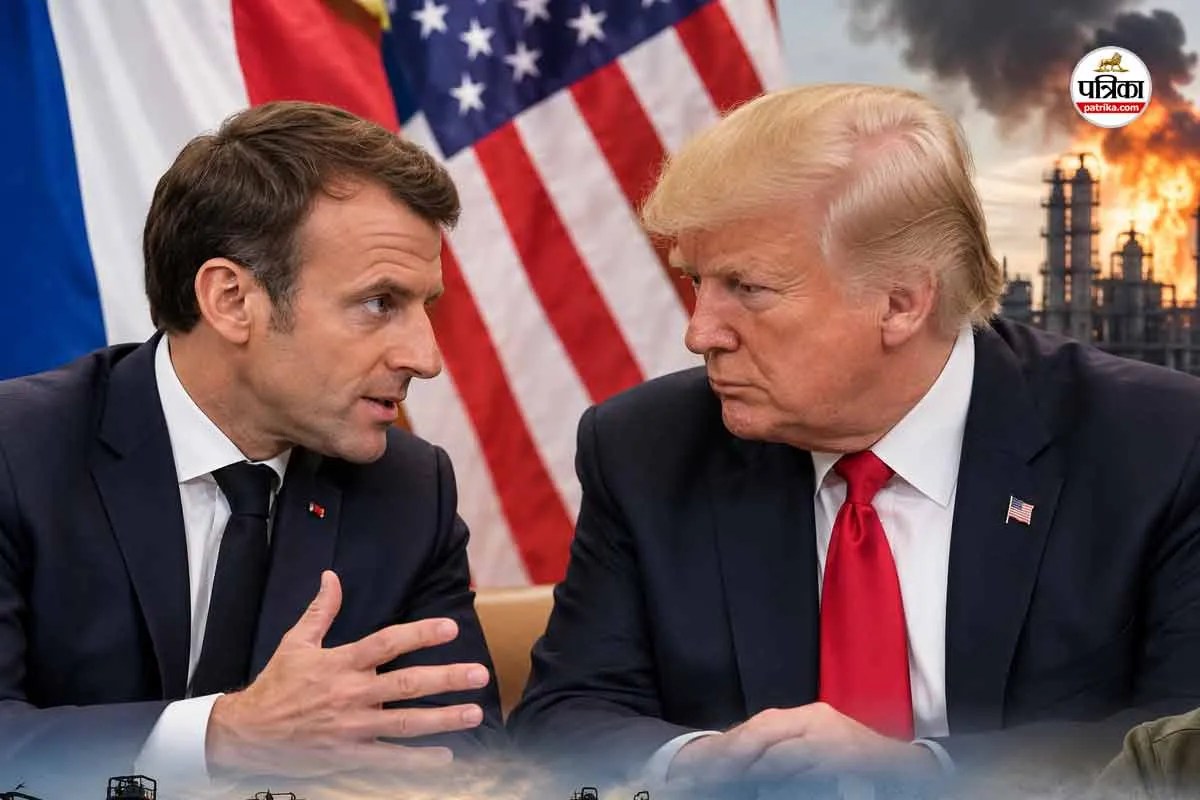
We love simple narratives. A headline flashes about a high-stakes diplomatic summit between Emmanuel Macron and Donald Trump, and suddenly everyone acts like a peace treaty is about to drop. Let's be honest for a moment. Diplomacy doesn't work like a movie script where two leaders shake hands in an ornate room and a three-year war instantly grinds to a halt.
If you look past the photo ops from recent high-level talks, a much messier and more complex reality emerges. The real conversation happening behind closed doors isn't just about stopping the fighting tomorrow. It's about who gets to sit at the table when the borders are finally redrawn, and whether European security will be an afterthought or a foundational pillar.
Why the Macron-Trump Dynamic Keeps Shifting
When Emmanuel Macron sits down with Donald Trump to discuss the war in Ukraine, they aren't starting from the same playbook. Trump has consistently pushed for rapid resolution pathways, often leaning
Why the Macron and Trump Meeting Changes Everything for Ukraine Peace Talks
news
Diplomatic tables shift fast. When Emmanuel Macron sat down with Donald Trump, the entire dynamic of the European security puzzle changed overnight. Everyone is asking whether this specific high-level exchange actually forged a viable path to halt the ongoing bloodshed in Eastern Europe. The short answer is yes, but the terms will shock European capitals.
Ukraine isn't just a distant geopolitical talking point anymore. It's a grinding reality testing the limits of Western unity. President Volodymyr Zelensky now faces a completely rewritten playbook. Let's look past the political theatre and examine what this high-stakes diplomacy actually means for the frontline.
The Real Agenda Behind Closed Doors
Diplomacy rarely happens in front of television cameras. When French leadership engages with Washington's returning administration, the conversation bypasses standard diplomatic niceties. Trump operates on transaction and speed. Macron operates on European strategic autonomy. Put them together in a room, and you get an unorthodox pressure test on the current trajectory of the war.
Europeans are terrified of a rushed peace deal that carves up sovereign territory. Yet, maintaining the status quo costs billions in financial aid and military stock. Trump wants an immediate freeze on the conflict. Macron understands that any sustainable ceasefire needs robust security guarantees, not just a temporary pause that allows regrouping.
The tension in that room wasn't polite. It was urgent.
- Washington demands immediate cost-reduction and European burden-sharing.
- Paris insists on long-term enforcement mechanisms that protect NATO's eastern flank.
- Kyiv watches closely, knowing its operational survival depends on the compromise struck between these external heavyweights.
What This Means for Zelensky Next
Zelensky finds himself caught in a tightening vice. The Ukrainian leadership has maintained a strict territorial integrity stance for years. Pushing back every single soldier to 1991 borders sounds noble in speeches. On the ground, ammunition shortages and troop fatigue tell a different story.
The Macron-Trump dialogue signals a pivot toward reality-based negotiations. Territorial concessions or temporary administrative zones are no longer taboo phrases whispered behind closed doors. They are front-and-center agenda items. Zelensky has to pivot from demanding total victory to managing a managed settlement.
If you look at the diplomatic history of protracted conflicts, momentum shifts abruptly. One day you fight for every meter; the next day you sign an armistice along a jagged line of contact. Kyiv is bracing for that exact whiplash. The upcoming talks with Zelensky won't be about winning back every acre immediately. They will focus entirely on survival, security guarantees, and economic reconstruction funds tied to a painful compromise.
Why Old Strategies Fail
If you rely on conventional diplomatic playbooks here, you miss the entire point. Traditional European channels failed to stop the escalation back in early 2022 because they lacked leverage and unified resolve. Trump brings a disruptive force that breaks bureaucratic inertia. Whether you like his style or despise it, stagnation is off the table.
European politicians spent years hiding behind endless committees and slow-rolling military packages. Trump forces a binary choice: either finish the conflict on harsh terms or take full financial ownership of a decade-long stalemate. Macron recognizes this brute-force reality. That's why he engaged early. He wants a seat at the table shaping the terms, rather than reading them afterward.
The Hard Truth About Peace Enforcement
Stopping a war is easy on paper. Keeping the peace when deep-seated hatred runs through civilian populations is nearly impossible. Any future agreement discussed between Washington and Paris requires boots on the ground for monitoring. Those won't likely be American soldiers. European nations will have to step up with peacekeeping forces to patrol any demilitarized zone.
Think about the logistics of that commitment. France and its partners must commit resources for decades. It's a massive domestic political risk for Macron, who already faces intense pressure at home regarding pension reforms and economic sluggishness.
Moving Forward Without Illusions
Stop expecting a Hollywood ending to this crisis. Wars rarely conclude with clear winners and unconditional surrenders in the modern nuclear age. They end in exhausting, messy compromises that leave everyone slightly unhappy.
The immediate next steps involve back-channel negotiations involving French emissaries, American transition teams, and Ukrainian officials. Watch for sudden shifts in rhetoric regarding security guarantees. Keep an eye on how quickly European defense spending increases to back up these diplomatic postures. The path forward is narrow, difficult, and fraught with diplomatic traps, but the outline of a settlement is finally coming into focus.


