Professional sports leagues hopped into bed with sportsbooks the second the Supreme Court struck down the federal ban on sports gambling. They wanted the revenue. Now, they're paying the tax.
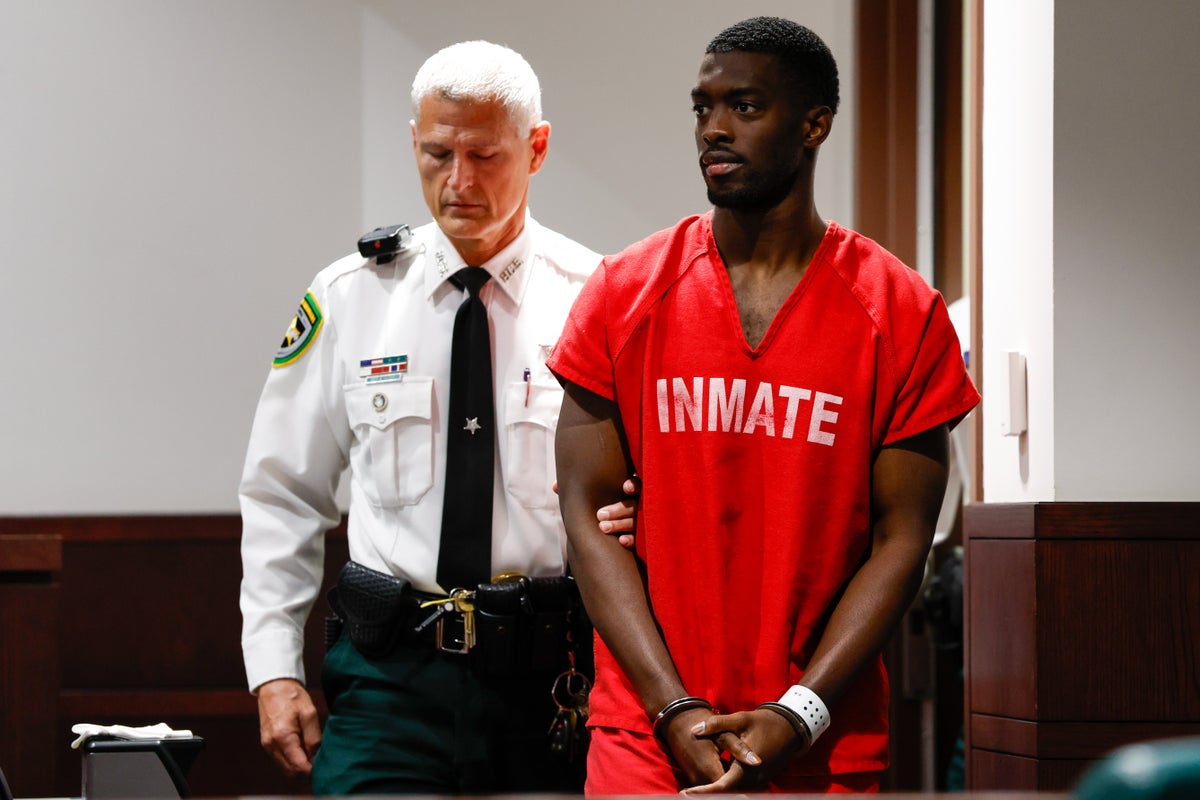
Federal prosecutors in Brooklyn just dropped a massive bomb on the basketball world. Former NBA players Malik Beasley and Ed Davis stand indicted alongside four others. The charges are heavy. Wire fraud conspiracy, sports bribery, honest services fraud, and money laundering conspiracy.
This isn't just about a couple of guys placing a bad bet on an app. It is a detailed federal case alleging that professional athletes treated NBA games like their own personal ATM. They actively manipulated on-court performances to secure payouts on player prop bets.
The Gatekeeper and the Shooter
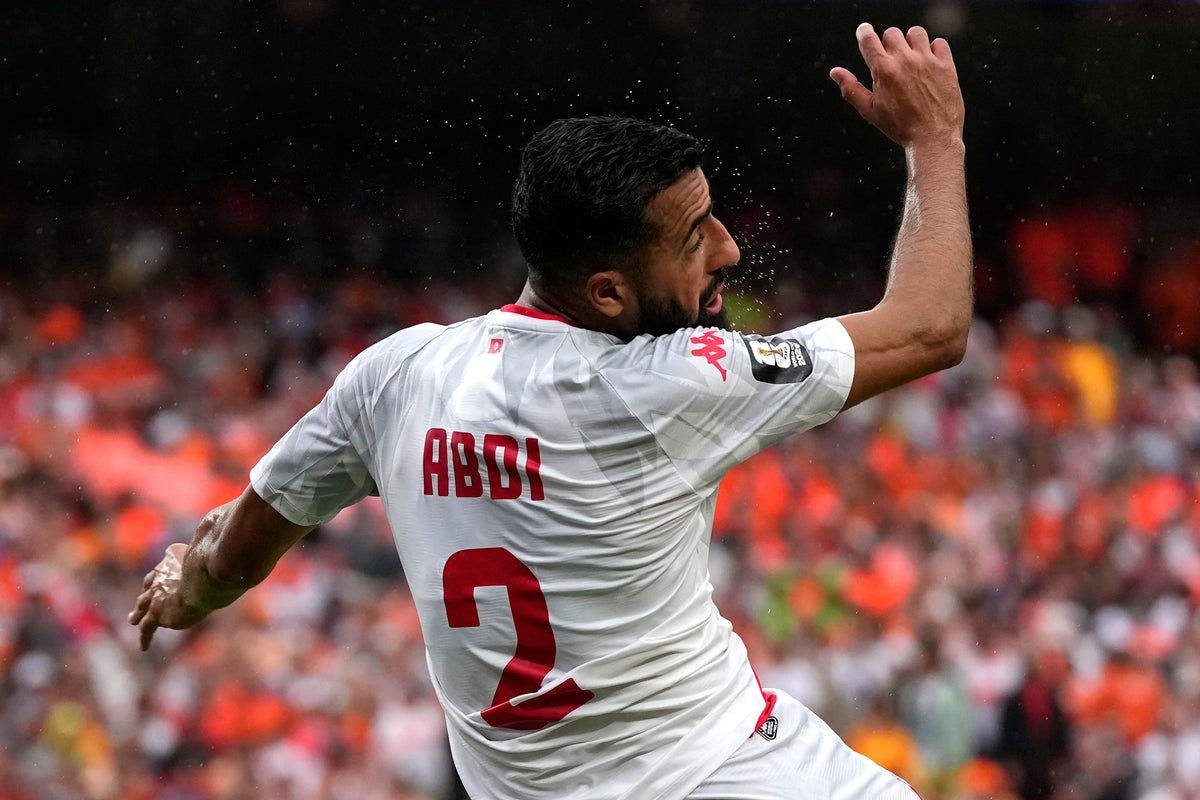
Look at how this operation functioned. You have Malik Beasley, a guy who knocked down 319 three-pointers for the Detroit Pistons. He is one of only five players in history to clear 300 triples in a single season. He is a premier elite shooter who averaged 16 points per game. But off the court, his financial reality was a mess. Court records show he was drowning in millions of dollars of gambling debt. He was getting sued by his Detroit landlord and fighting over unpaid bills with his barber and dentist.
Enter Ed Davis. He spent 12 years in the league as a journeyman big man, earning roughly $48 million. The two became friends back when they played together for the Minnesota Timberwolves during the 2020-21 season.
According to the federal indictment, Davis became Beasley's gatekeeper. Beasley owed massive debts to Davis. The solution they cooked up was simple and dirty. Beasley would intentionally tank or boost his stats to match specific betting lines. In exchange, his debts to Davis were wiped out, and the co-conspirators paid out promised bribes.
The circle wasn't just players. The feds also indicted an active NBA player agent, Paolo Zamorano, along with William Brown, Robert Gorodetsky, and Ernesto Plascencia.
Leaked Texts and Flubbed Rebounds
The feds didn't just guess here. They have the receipts. The indictment details the operation's launch, starting with an exchange where Davis recruited Beasley.
"You got Snapchat?" Davis text messages ask.
"Not really why," Beasley replied.
"Better to talk on there," Davis fired back. "We can make some good money."
The feds highlighted several games from early 2024 when Beasley was with the Milwaukee Bucks. The details are wild. On January 26, 2024, against the Cleveland Cavaliers, Beasley told Davis he planned to underperform on his rebounding prop line. He did exactly that, finishing with low numbers while the group cashed in. On February 27, 2024, against the Charlotte Hornets, he promised to go under on points but over on rebounds.
The most egregious example happened on March 10, 2024, against the Los Angeles Clippers. Beasley told the group he would hit the over on his rebounding prop. With just one second left on the clock, the Bucks were up by seven points. The game was over. The Clippers took a meaningless shot. Instead of letting the clock run out, Beasley aggressively sprinted past four players, bodying his teammate Pat Connaughton out of the way to snag the ball as the buzzer sounded.
He hit his over. Text messages caught the co-conspirators celebrating. One text read: "What’s funny is after he got it he had a big sigh of relief." Another noted they were "1.1 seconds away from being down thousands of dollars."
The whole thing collapsed on March 21, 2024, against the Brooklyn Nets. Beasley was supposed to stay under his rebounding line but messed up on the court and accidentally went over. When you run a sports manipulation scheme, reality eventually gets in the way.
The Sports Gambling Boom is Eating Itself
Leagues like the NBA spent years telling fans that widespread sports betting would increase fan engagement. Instead, it created an ecosystem where players are constantly harassed by fans over single stats, and players facing financial ruin are easily leveraged.
U.S. Attorney Joseph Nocella Jr. put it plainly after unsealing the indictment, stating the group "turned professional basketball into a criminal betting operation."
Beasley hasn't played in the NBA since the investigation flared up, forcing him onto a temporary stint in a Puerto Rican league. His career is likely over. Ed Davis's reputation is entirely shot. The league says its integrity is its top priority, but as long as legal sportsbooks pump billions into sports broadcasting, this will happen again.
The direct next step for the sports world isn't more education or tougher internal team rules. Leagues must aggressively audit how player prop data is tracked and reconsider the sheer volume of micro-betting options available on active players. If you give gamblers the ability to bet on whether a backup guard grabs four rebounds or three, someone will always find a way to buy the guard.