The coffee in the glass atrium of the European Parliament was lukewarm, tasted faintly of stainless steel, and carried the quiet weight of an old marriage ending in slow motion.
Outside, Brussels was doing what Brussels does best: absorbing a cold autumn drizzle into its grey stones, pretending that the weather was just weather and not a metaphor for a shifting continent. Inside, hundreds of bureaucrats, staffers, and delegates shuffled through the corridors with the hurried, distracted gait of people carrying plates stacked too high.
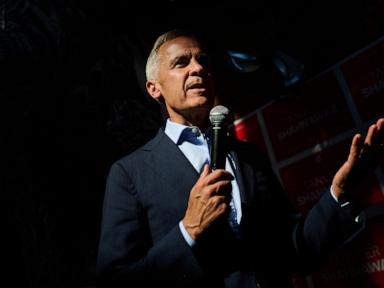
Mark Carney stepped up to the podium.
For months, the transatlantic rhythm had been a metronome everyone took for granted. You knew the beat. North was North, Washington was the anchor, and the great economic engine of the West hummed along a familiar, predictable track. Then the track broke. Not with a sudden explosion, but with the sharp, hollow snap of an old timber giving way under too much pressure after the sudden, jarring turn of the American political climate under a returning Trump administration.
We watched the divorce unfold from thousands of miles away, yet it felt intimately close.
Imagine standing on a dock you have trusted your entire life, only to watch the shore pull away. That is what happened to Canada when the noise from the south turned from friendly disagreement to transactional hostility. Tariffs whispered like threats. Alliances treated like subscription models. The old comfort of shared borders and casual historical kinship evaporated into the harsh light of self-interest.
So what do you do when the giant next door stops answering your calls with anything other than a demand?
You look across the water.
Carney’s presence in Brussels was not merely a diplomatic routine. It was a search for a new grammar. When a middle power finds its primary economic partner looking inward, building walls, and rewriting the rules of global trade on a whim, that middle power has roughly two choices. It can cower, or it can cast a wider net. Canada chose the net.
Consider the sheer psychological weight of this pivot. For generations, Canadian identity was defined in careful, polite opposition to the United States. We drink double-doubles; they drink drip coffee. We have universal healthcare; they have a free-for-all. But underneath that cultural banter lay a profound, unshakeable economic dependency. Seventy-five percent of our exports crossed an open, friendly border. We were joined at the hip.
When that hip shatters, you limp. Unless you find new legs.
The European Union, for all its bureaucratic heft and internal friction, represents the mirror image of what Canada needs right now. It is vast. It is wealthy. It respects international law, multilateral frameworks, and rules-based order—things that suddenly feel like endangered species in global politics.
Listen to the language in the committee rooms. It is no longer about polite trade tweaks or minor agricultural quotas. It is about strategic sovereignty. It is about critical minerals, green technology supply chains, artificial intelligence regulation, and security corridors that do not rely on the whims of a volatile American electorate.
(Note: When I speak of a total break, I am describing a systemic rupture in trust, not an overnight severance of trade—the physical pipelines and cargo ships still move, but the underlying psychological contract is permanently altered.)
Let us step back into the shoes of a mid-level trade negotiator in Ottawa who spent twenty years perfecting the art of managing Washington. For two decades, their life was simple. You kept the Americans happy, you kept the border open, you occasionally complained about softwood lumber, and you slept soundly.
Now? That negotiator is up at three in the morning, reading policy briefs on European battery gigafactories and trying to decode the labyrinthine directives of the European Commission. The comfort zone is gone. The map is blank.
This is where Carney comes in. He is uniquely suited for this kind of structural translation. He speaks the language of central banking, of high finance, of climate finance, and of cold geopolitical calculation. He does not wave flags or shout slogans. He presents balance sheets. He looks European parliamentarians in the eye and says, in essence: We are both standing in the rain. We both know the old shelter is leaking. Let us build a roof together.
The European Parliament listened. They didn't just listen because Canada is polite. They listened because Europe is terrified of isolation in a fracturing world dominated by dueling superpowers. A world where Washington looks inward and Beijing looks assertive leaves Europe dangerously exposed. Canada, with its vast storehouses of lithium, nickel, cobalt, and clean energy, looks less like a polite northern cousin and more like a lifeline.
The CETA trade agreement, once dismissed by cynics as a dusty document weighed down by endless regulatory compromises, suddenly looks prophetic. It was built for a rainy day. That day is here.
Trade flows are shifting. Ships are plotting new courses. Capital is whispering new equations in the quiet offices of Toronto and Frankfurt.
Think about the ordinary factory worker in Ontario or the software engineer in Berlin. They do not talk about geopolitical frameworks over breakfast. Yet their futures are being rewritten right now in these sterile conference rooms. When supply chains decouple from a volatile America and re-anchor in a transatlantic partnership with Europe, every local economy feels the tremor.
We are watching the birth of a new middle-power axis. It is messy. It is bureaucratic. It lacks the cinematic drama of a war or a revolution. But it is infinitely more enduring.
The break with Washington forced a reckoning. It stripped away the lazy assumptions of the post-Cold War consensus and forced a nation to remember how to stand on its own two feet while reaching for new hands.
The rain continues to fall outside the glass. The delegates shuffle back to their seats. Carney closes his leather folder.
The anchor is gone, but the ship is finally moving.