A few weeks ago, I sat across a small wooden table from a merchant in a bustling port city who looked at his ledger, rubbed his thumb over the ink, and sighed. For twenty years, his supply chains operated on a singular, unshakeable assumption: the currency in his pocket and the digital rails carrying his payments would always speak the language of Washington and London. He did not care much for geopolitics. He cared about container ships, port fees, and whether his wire transfers would clear by Tuesday.
Today, that merchant is sweating over exchange rates that no longer obey old rules.
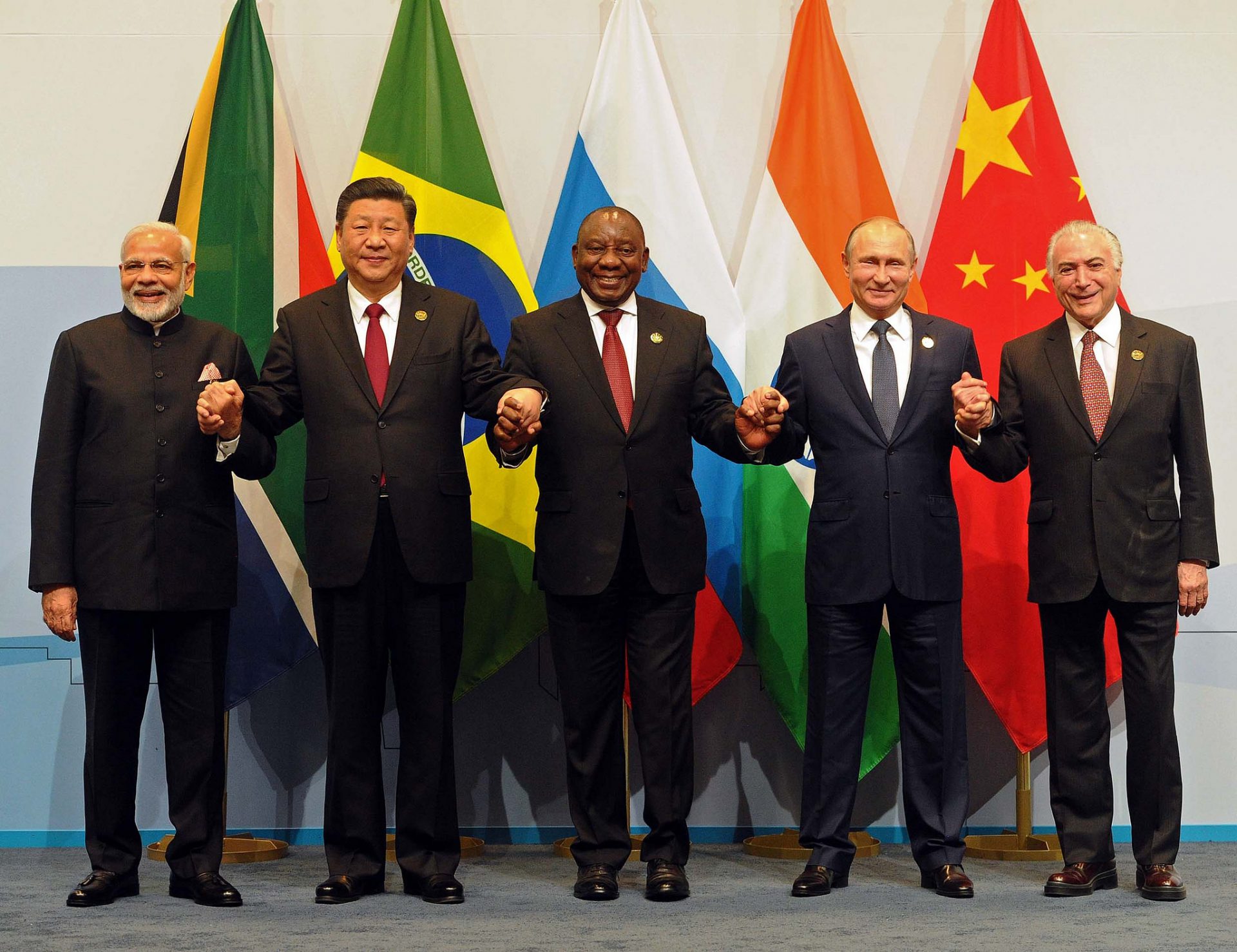
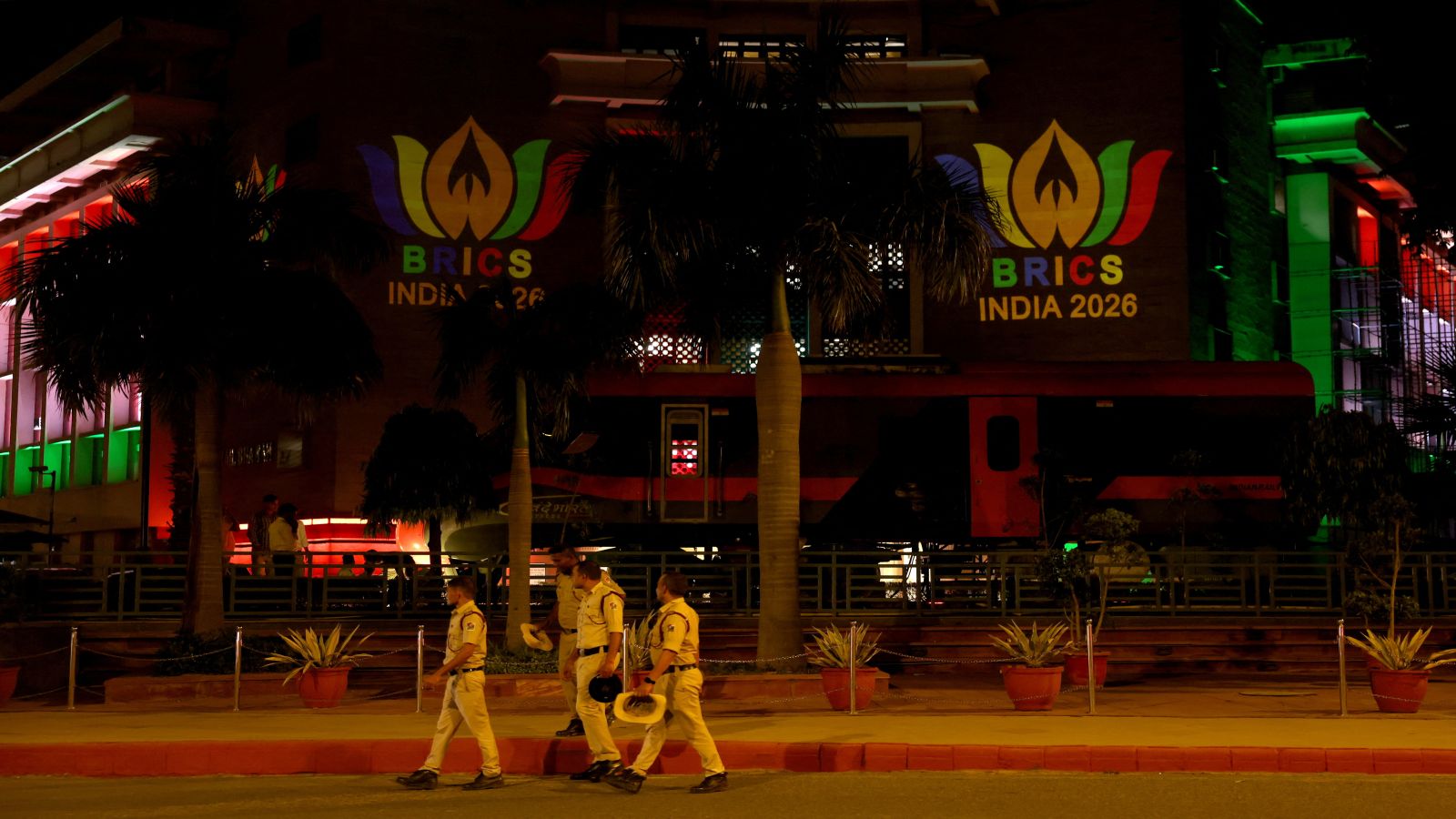
We live through a quiet earthquake. While headlines fixate on the daily theater of cable news, a massive realignment is hardening into concrete reality. The upcoming BRICS Summit in 2026 is not just another conference room summit where leaders pose awkwardly for photographs before signing toothless communiqués. It is the plumbing of the global economy being ripped out and replaced while the water is still running.
To understand why this matters—especially for a nation like India, caught in a gravitational pull between competing worlds—we have to stop looking at global economics as an abstract spread sheet. We have to look at the human cost of a unipolar world cracking down the middle.
Consider Rajesh. (This is a composite character based on interview patterns with mid-sized manufacturing exporters in Gujarat and Maharashtra, used here to anchor an abstract macroeconomic shift in lived reality). Rajesh employs two hundred people. He builds industrial valves. For decades, his path to growth meant borrowing in dollars, pricing in dollars, and trusting that the global financial architecture would remain stable. But lately, every time sanctions flare up halfway across the world, his shipping insurance spikes. His access to capital tightens. He is paying a hidden tax for a monetary system he has no vote in shaping.
When Rajesh hears about nations attempting to trade in local currencies, he does not care about the geopolitical grandstanding. He cares about survival.
This is the exact friction point that brings leaders together at the BRICS summits. What started as an acronym coined by a Goldman Sachs economist in 2001—a clever way to group Brazil, Russia, India, China, and eventually South Africa—has mutated into a sprawling geopolitical vehicle. Now expanded to include nations like Iran, Egypt, Ethiopia, and the United Arab Emirates, this coalition represents a staggering chunk of the global population and energy production.
They are gathering with a shared, urgent question: What happens if the referee of the global economy turns out to be a player on the field?
The key issues on the table for 2026 are deceptively dry. Currency diversification. Alternative payment systems designed to bypass Western-dominated financial networks like SWIFT. Energy security. Supply chain resilience. But behind these bureaucratic headings lies a single, burning ambition: financial sovereignty.
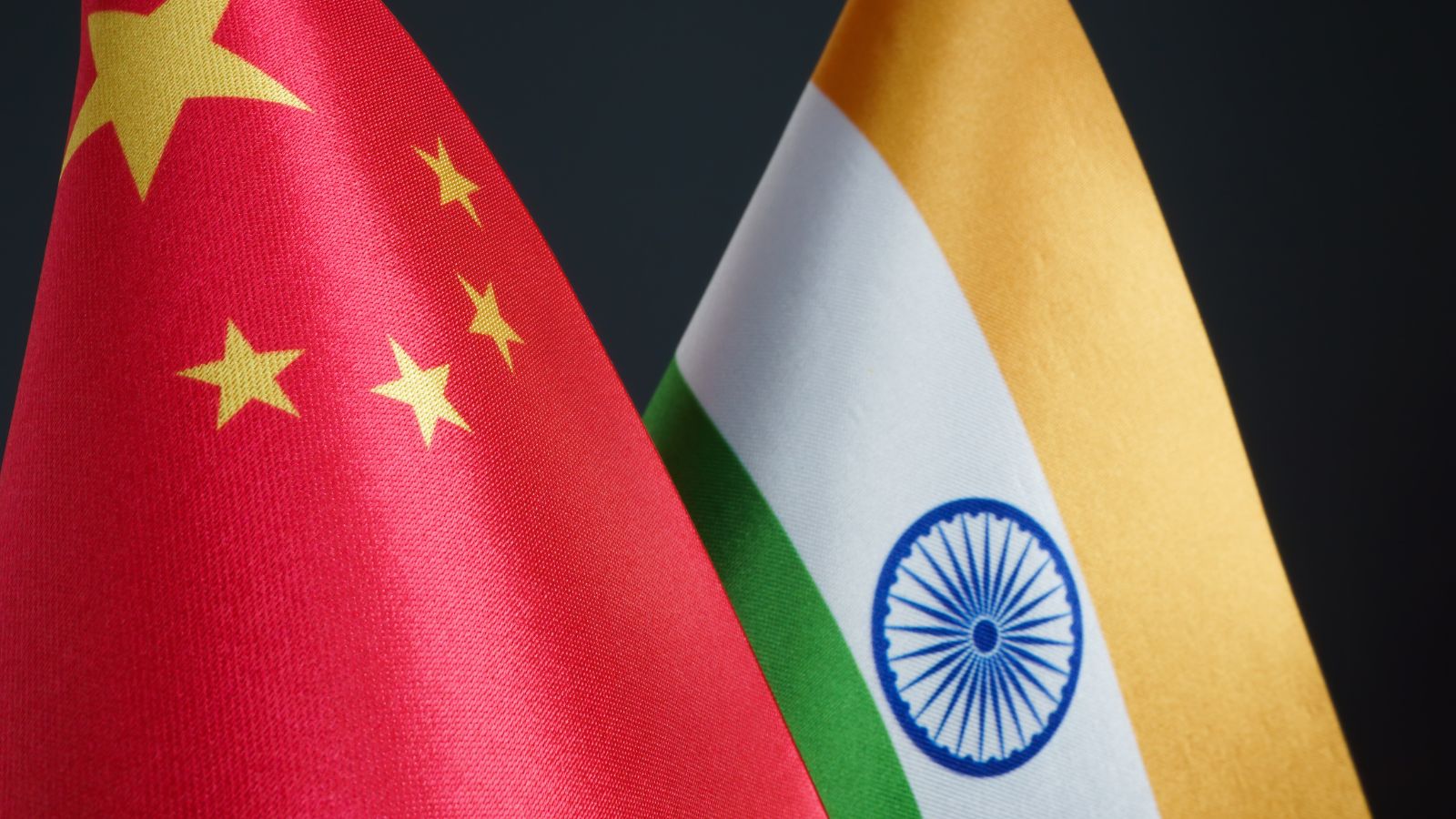
For India, navigating this summit is an exercise in high-wire diplomacy without a net. New Delhi occupies a uniquely complex position in this shifting architecture. India is a founding member of BRICS, deeply invested in building a multipolar world where no single superpower calls all the shots. At the same time, India shares a sprawling, tense land border with China—the heavyweight champion of the bloc—and maintains critical strategic, technological, and defense partnerships with the United States and Europe.
You cannot easily walk both sides of that street without tripping.
During the summit discussions, India’s primary balancing act will be economic pragmatism versus strategic anxiety. New Delhi has consistently pushed back against any attempt to turn BRICS into an anti-Western club. India wants alternative payment mechanisms to make trade smoother with nations like Russia or oil suppliers in the Middle East, particularly when Western sanctions threaten to choke off energy supplies. But India does not want a system dominated by the Yuan, nor does it want to sever its economic lifelines to Western markets where the bulk of its high-value exports land.
Imagine trying to pilot a ship through a narrow strait where two leviathans are thrashing about. Every move must be calculated down to the millimeter.
Who is actually coming to the table this year? The guest list itself tells the story of an evolving world order. Beyond the core leaders, a long queue of developing nations—from Southeast Asia to Latin America—will be lingering in the hallways, knocking on the door for membership or partnership status. They are weary of being told to tighten their belts by institutions headquartered in Washington whenever global inflation spikes. They want options. And BRICS is currently the only game in town offering a VIP lounge for the disgruntled.
Yet, we must be honest about the fractures running right through the middle of this coalition.
It is easy to paint BRICS as a monolithic juggernaut, but that is lazy analysis. Russia is isolated by unprecedented sanctions, leaning heavily on Beijing for economic oxygen. China faces domestic economic headwinds and deep structural friction with the West. India and China have a frosty, heavily militarized stalemate along their Himalayan frontier that could thaw or freeze over at a moment's notice. Brazil under current leadership walks a diplomatic tightrope between environmental commitments to the West and trade necessities with the East.
How do you build a coherent financial alternative with partners who fundamentally mistrust one another?
The answer is that you do not need perfect harmony to cause disruption. You only need shared frustration.
When the leaders gather behind closed doors in 2026, the breakthroughs—or lack thereof—will not be announced with booming fanfare. They will manifest slowly. A cross-border trade deal settled in rupees and dirhams instead of dollars. A digital payment rail tested between central banks that bypasses New York entirely. A grain shipment insured by a consortium that does not care about Western edicts.
These are the quiet bricks being laid for an alternative global floor.
Back in the port city, my merchant friend does not know the acronyms for these new financial rails, and he doesn't need to. He just knows that the cost of doing business is changing shape. He knows that the map he memorized in school is fading, replaced by a messy, multipolar reality where loyalty is transactional and geography is destiny.
The summit will end. The red carpets will be rolled up. The press releases will fade from the feeds. But the tectonic plates will keep grinding beneath our feet, reshaping the way value moves across the earth, one anxious ledger entry at a time.