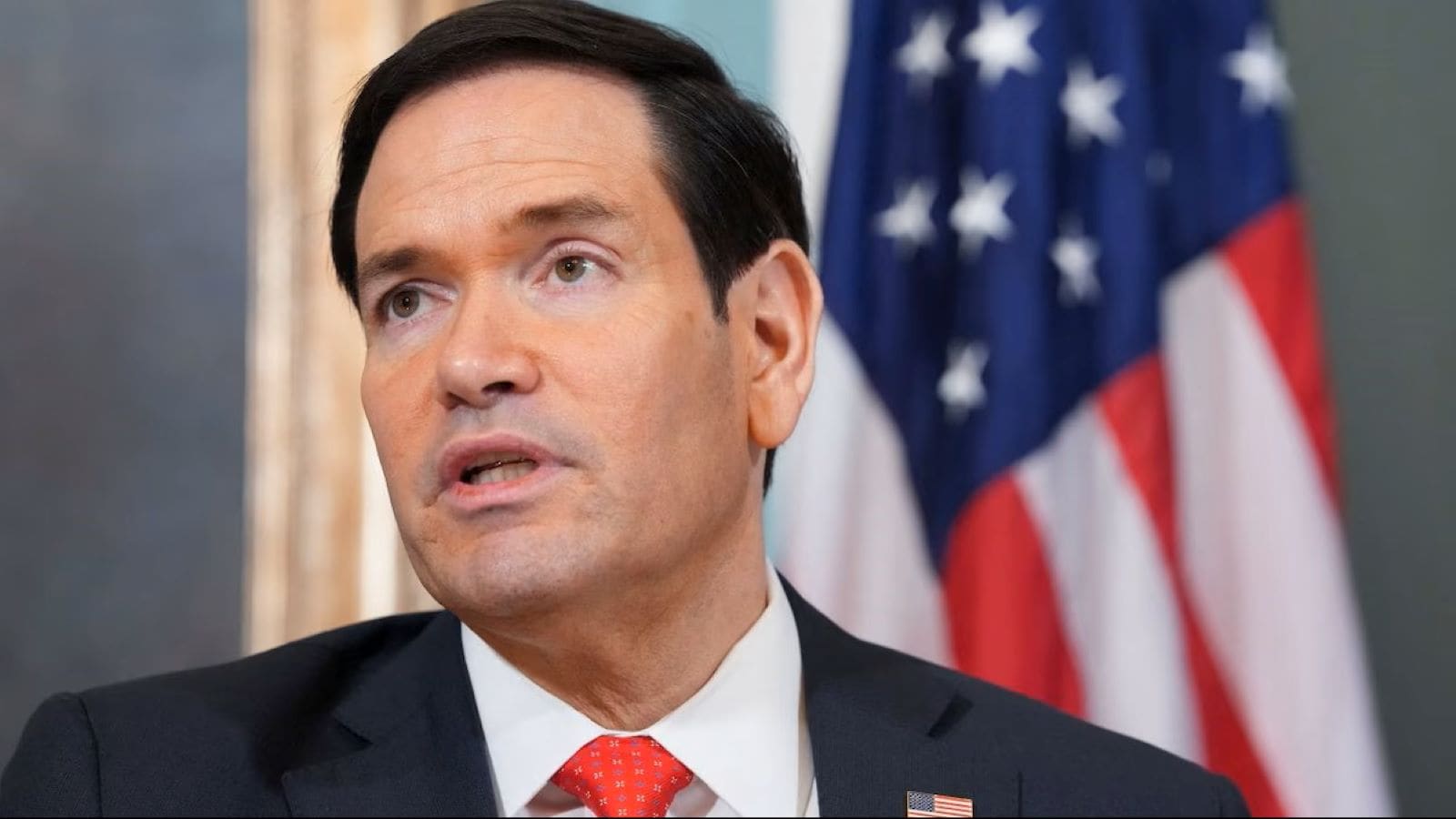
Global energy markets are messy, and Washington is finally admitting it. When US Secretary of State Marco Rubio defended the temporary decision to loosen restrictions on certain Russian energy exports, it caught a lot of people off guard. After years of hardline rhetoric about choking off Moscow's war chest, why is the White House hitting pause?
The answer comes down to a harsh economic reality. Energy prices affect everything from household utility bills to agricultural supply chains. When diesel and crude supplies tighten globally, inflation spikes everywhere. Rubio didn't frame the move as a permanent shift in foreign policy, but rather as a calculated, short-term pause. Let's break down what's actually driving this shift and why the administration feels it has no choice. Meanwhile, you can read related developments here: Why UK Fighter Jets Defending Saudi Arabia Means More Than Just Air Cover.
The Global Price Pressure Problem
You can't talk about oil and diesel sanctions without looking at the broader economic picture. High fuel prices hit consumers directly at the pump, but they also devastate global shipping, manufacturing, and food production.
When the US treasury issues temporary waivers—such as the 60-day analytical pause on certain diesel and oil shipments—the goal is simple. It's about keeping physical volumes moving through international maritime routes. Rubio pointed out that Russian diesel would likely find buyers on the global market anyway. By managing temporary exemptions, the US aims to capture a clearer picture of market flows while dampening severe price shocks. To understand the bigger picture, check out the detailed article by The New York Times.
Balancing Alliances and Economic Realities
Another major piece of the puzzle involves key international partners. Major economies like India have deep-rooted energy dependencies that cannot be untangled overnight without breaking their domestic markets.
If Washington pushes sanctions to a breaking point that destabilizes friendly nations, the global economic fallout circles right back to American consumers. Rubio has made it clear that US foreign policy has to weigh bilateral relationships and the survival capacity of allied economies against other geopolitical goals. You cannot destroy partner economies over a single issue without triggering widespread chaos.
The Pushback and Strategic Risks
Critics, including lawmakers and officials in Kyiv, argue that any relief given to Moscow's energy sector ultimately helps finance the ongoing war in Ukraine. It is a valid tension. Balancing the immediate need to check global inflation against the long-term imperative of maintaining deterrence creates difficult choices for any administration.
The White House insists these waivers are strictly time-limited tools meant to stabilize supply bottlenecks, not a retreat from the broader sanctions framework. Whether this temporary breathing room achieves its economic goals without undermining geopolitical pressure remains the central question for energy traders and policymakers alike.
Rubio Defends Trump Diesel Sanctions Relief as 'Very Wise'
This article provides detailed context on Marco Rubio's defense of the temporary diesel waivers and how global market pressures influenced Washington's policy shift.