Washington is arguing about press releases while a basic reproduction number around 12 to 18 eats through under-vaccinated pockets across the country.
Look at how standard coverage frames the measles surge and the Trump administration's response. One side points to federal grant cuts, delayed outbreak reporting, and skeptical rhetoric from top officials as proof of sabotage. The other side points to multi-year declines in childhood vaccination that started long before January 2025, plus targeted local grants, as proof that the blame belongs elsewhere. You might also find this connected article useful: The Ghost We Forgot How to Fear.
Both sides are fighting yesterday's war.
With more than 6,000 confirmed U.S. cases reported in 2026—following 2,289 cases in 2025—and the Pan American Health Organization stripping the United States of its measles elimination status after 26 years, people keep asking the wrong question. They ask whether the administration's messaging is good or bad. They should be asking why national averages hide pockets of vulnerability where airborne spread turns sparks into brushfires. As reported in latest coverage by CDC, the results are worth noting.
What Conventional Coverage Misses About Measles and Federal Response
Standard reporting treats a national vaccination rate of 92.4 percent among kindergartners as if it were a uniform blanket. It is not. Herd immunity against measles requires roughly 95 percent coverage in the actual networks where people live, pray, work, and ride buses together. A county can look fine on paper while three zip codes or close-knit communities sit at 70 percent or lower.
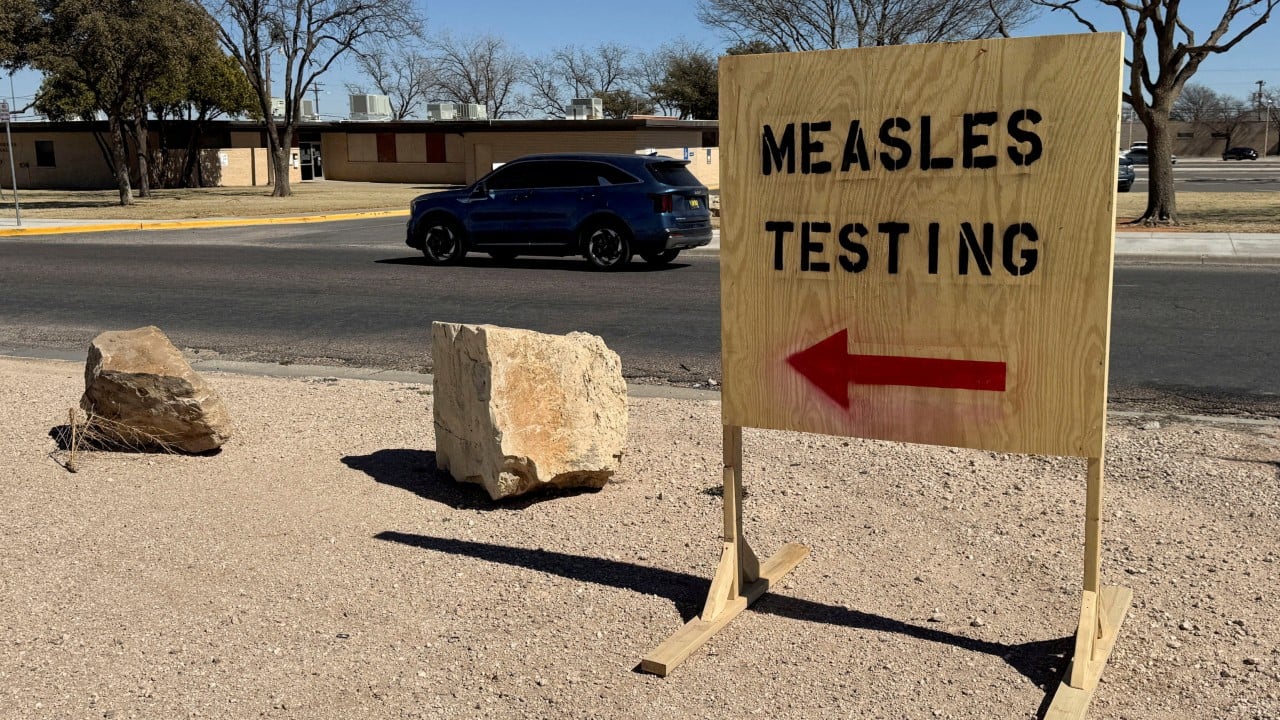
I have watched health departments burn millions of dollars on glossy ad campaigns aimed at broad suburban audiences while ignoring closed social networks where trust in outside authorities is already zero. When an outbreak hits a tight-knit community—whether in West Texas in 2025 or Pennsylvania, South Carolina, and Utah in 2026—a generic billboard does nothing. Contact tracing and trusted local messengers do the work.
Critics of the Trump administration rightly highlight funding freezes on state immunization programs, sharp shifts in federal vaccine communications, and gaps in public reporting. Administration defenders rightly point out that eroding kindergarten coverage was already a multi-year trend and note federal money directed toward local outbreak response. Yet both camps treat Washington press conferences and budget lines as a magic switch for a virus that lingers in the air for up to two hours after an infected person leaves a room.
The Mechanics of Airway Spread and Immunity Gaps
To understand why policy fights miss the mark, separate three distinct concepts that commentators routinely mash together:
- Elimination status: A public health designation meaning continuous year-round transmission of a specific virus has been interrupted within a defined geographic area for at least 12 months under strong surveillance. Losing it in November 2026 does not mean the virus suddenly mutated into a super-bug; it means chains of transmission kept running long enough to cross that threshold.
- Clustered under-vaccination: Geographic or social clustering of unvaccinated people. Because measles spreads through aerosols and respiratory droplets with extreme efficiency, clustering matters far more than a statewide average. One infected traveler returning from abroad or moving from another domestic outbreak can ignite rapid secondary cases inside an under-immunized cluster.
- Immune amnesia: A real biological consequence of wild measles infection where the virus depletes existing memory B and T cells, leaving survivors more vulnerable to other infections for months or years afterward. Two doses of the measles, mumps, and rubella vaccine prevent this damage without the risk of wild infection.
Imagine a scenario where a state posts a 93 percent kindergarten MMR rate, just two points shy of the 95 percent benchmark. Two percentage points sounds tiny. Inside a school or community gathering where 150 people mix daily, dropping from 95 percent to 93 percent—or lower in specific classrooms—shrinks the firewall that stops chain reactions. Once a single case enters that room, susceptible contacts get exposed before public health officials even get a lab confirmation back.
Epidemiologists like William Moss and public health researchers at institutions such as Johns Hopkins University have emphasized for years that measles acts like wind-driven sparks hitting dry timber. Federal statements do not stop the spark. Local immunity and fast field containment do.
Why "People Also Ask" Questions Frame the Problem Backwards
People keep typing the same questions into search bars because the headlines nudge them toward political scorekeeping instead of practical risk.
Is the Trump administration to blame for the measles surge?
That question assumes a single lever controls a complex system. Federal leadership shapes funding priorities, public messaging, data transparency, and coordination across state lines. Cutting immunization support or muddying vaccine safety messages makes an uphill climb steeper. At the same time, state exemption rules, post-pandemic clinic habits, cross-border travel, and local trust deficits have been building for years. Blaming everything on one administration—or letting one administration off the hook because trends started earlier—dodges the operational reality on the ground.
Does losing measles elimination status mean everyone in the U.S. is suddenly in danger?
No, and panic is just as unhelpful as complacency. According to CDC data for 2026, roughly 96 percent of reported cases occurred in people who were unvaccinated or whose vaccination status was unknown, while hospitalizations hovered around 11 percent overall and were concentrated heavily among unvaccinated children under five and adults. Two doses of MMR remain highly effective at preventing infection. The real danger sits with unvaccinated individuals, infants too young for routine shots, pregnant people, and immunocompromised patients who encounter active transmission chains.
What should a parent or local official actually do right now?
Skip the cable news shouting match and check your actual exposure math. If you are a parent, verify your child's two-dose MMR record with your pediatrician—especially if you live in or travel to areas with active clusters, or if you have a baby between six and eleven months old who might qualify for an early dose during local outbreaks or international travel. If you run a school, clinic, or local health office, stop treating low-trust communities like PR targets. Partner with respected local physicians, faith leaders, and community health workers who already have credibility inside those networks.
Where This Contrarian Play Can Backfire
Pushing a nuanced, network-focused argument carries real risks if people twist it into apathy.
First, emphasizing local clustering can tempt policymakers in higher-income or higher-coverage areas to shrug and treat measles as someone else's problem. Because Americans travel constantly between states and metro areas, a localized cluster rarely stays neatly quarantined forever.
Second, criticizing federal communication missteps without defending clear, accurate science can accidentally hand ammunition to people spreading false claims about vaccines. Calling out flawed public health tactics is not the same as questioning whether MMR works.
Third, focusing on community trust takes slow, unglamorous work. There is no viral clip in sitting at a kitchen table answering a hesitant parent's questions honestly, yet that quiet work prevents far more hospital beds from filling up than another press briefing ever will.
Stop waiting for Washington to fix your neighborhood's immunity gap—check your records, close the local gaps, and contain the spread before the next spark lands.