When Saudi Crown Prince Mohammed bin Salman, Turkish President Recep Tayyip Erdogan, and Pakistani Prime Minister Shehbaz Sharif put pen to paper in Jeddah to sign the Mecca Joint Defence Agreement, Washington cheered from the sidelines. President Donald Trump took to social media to celebrate what he termed a big, bold, and important first step, framing the trilateral arrangement as proof that Middle Eastern powers are finally taking charge of their own security. Western cable networks quickly picked up a convenient label, dubbing the pact an Islamic NATO.
The catchy moniker hides a fragile reality. Beneath the surface rhetoric of collective defense—where an attack on one is treated as an attack on all—lies an improvised security architecture with conflicting national interests, deep domestic crises, and opposing strategic goals. Far from a cohesive defensive shield, this alliance is a marriage of convenience born out of profound distrust in American security guarantees and a desperate search for regional hedging.
The Anatomy of an Unlikely Triangle
To understand why this alliance struggles to match its grand title, one must examine the distinct assets and liabilities each member brings to the table. Riyadh provides deep financial reserves and a desire to project regional leadership. Ankara contributes a sophisticated defense industrial base and the second-largest standing military inside the actual NATO alliance. Islamabad injects a large standing army and a nuclear deterrent.
Yet, combining these elements on paper does not create operational unity. Real military alliances require a shared threat perception, integrated command structures, interoperable hardware, and absolute trust among member states. None of these four pillars are fully present in the Mecca agreement.
Turkey maintains a complex, often volatile relationship with Iran, frequently trading with Tehran and navigating energy markets while managing regional proxies. Pakistan shares a long, porous border with Iran and has historically avoided any direct military entanglement that pits Islamabad against its western neighbor. Saudi Arabia, conversely, has spent years countering Iranian influence across Yemen, Iraq, and maritime chokepoints. When Tehran launched missile retaliation following regional escalations, neither Pakistan nor Turkey mobilized military assets to shield the Kingdom.
The Burden-Sharing Illusion
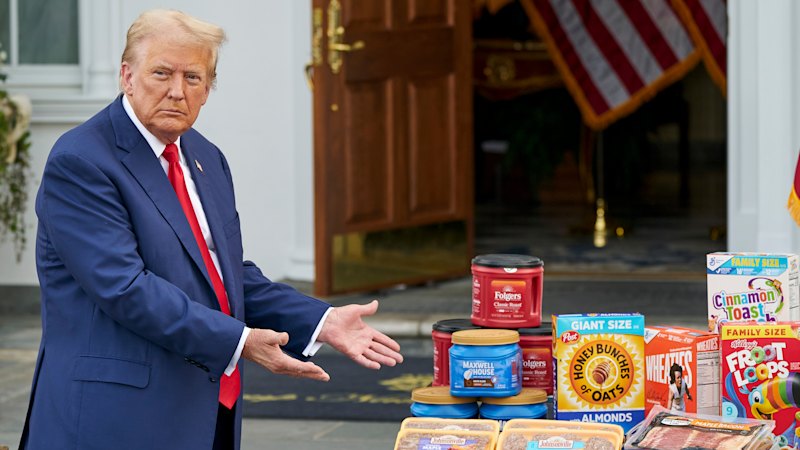
Washington's enthusiastic endorsement of the pact stems from a singular American obsession: burden-sharing. For years, successive White House administrations have signaled that the Pentagon cannot and will not remain the primary guarantor of Middle Eastern stability. Trump’s public blessing of the Mecca agreement reflects an explicit desire to offshore regional policing. If Saudi Arabia, Turkey, and Pakistan can deter adversaries collectively, the United States can pivot military assets toward long-term containment in the Indo-Pacific.
This calculation misreads the actual utility of the agreement. Treaties signed under duress or out of abandonment anxiety rarely survive contact with a major crisis. When Pakistan faced severe internal security challenges and a border war with Taliban-ruled Afghanistan, Riyadh offered minimal substantive military assistance. Transactional security arrangements work well during peacetime declarations, but they shatter when the shooting starts.
Furthermore, the full text of the treaty remains hidden from public scrutiny. Critical details regarding the geographical boundaries of the defense guarantee, the legal thresholds required to trigger a joint response, and the integration of command authorities remain deliberately ambiguous. Real alliances operate on transparent operational doctrines. The Mecca pact operates on political theater.
Ripple Effects Across the Region
New Delhi is watching these developments with justified unease. Indian foreign policy analysts recognize that any formal security framework elevating Pakistan's strategic weight as a net security provider alters the regional balance. Even if Saudi assurances suggest the pact is not directed against India, intelligence-sharing mechanisms, defense technology transfers, and diplomatic reinforcement flow freely within such blocs. Islamabad stands to gain crucial diplomatic leverage and financial breathing room at a time when its domestic economy and political stability remain deeply fractured.
At the same time, Beijing occupies an uncomfortable spectator seat. China has carefully cultivated friendly ties with every single actor in this triangle—arming Pakistan, buying Iranian crude, and expanding commercial footprints in the Gulf without picking sides. If the Mecca pact successfully drives self-reliance among these nations, Beijing's leverage as the indispensable patron of last resort could erode. However, if the pact collapses under its own internal contradictions, Chinese state-owned defense contractors stand ready to flood the Gulf market with alternative hardware through Pakistani intermediaries.
The Weight of History
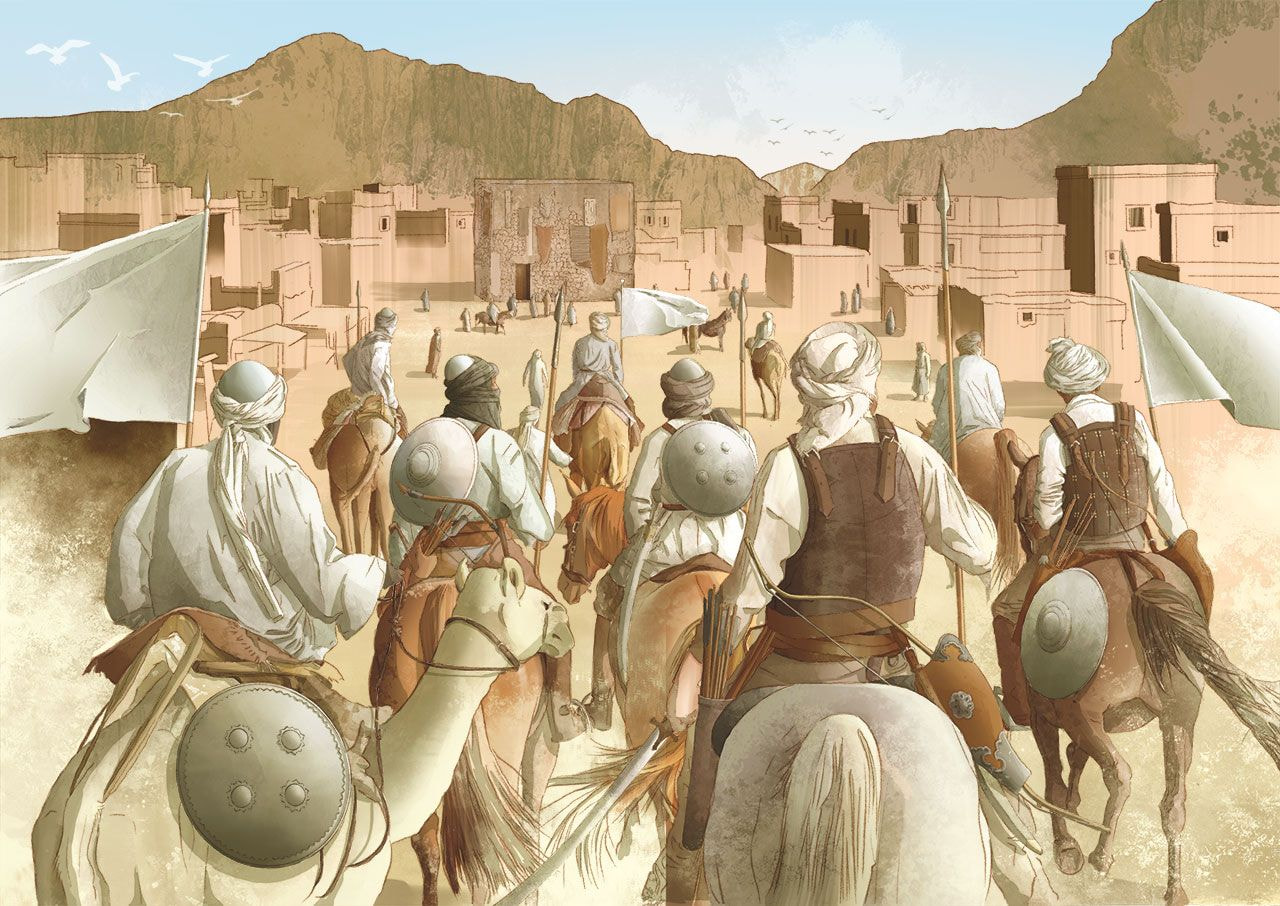
One hundred years ago, European powers drew lines across the desert sand with rulers and pencils, binding disparate populations into artificial states that required permanent foreign management. The Mecca agreement represents an indigenous attempt to reverse that dependency, substituting Western security umbrellas with local deterrence.
That ambition commands respect, but the architectural flaws run deep. An alliance built primarily to hedge against an unpredictable American presidency and a nuclear-armed Iran cannot function effectively when its members harbor fundamentally divergent regional ambitions. Until Riyadh, Ankara, and Islamabad reconcile their competing foreign policies, the Islamic NATO will remain what it is today: a loud political signal wrapped in diplomatic ambiguity, waiting for a crisis it was never designed to survive.