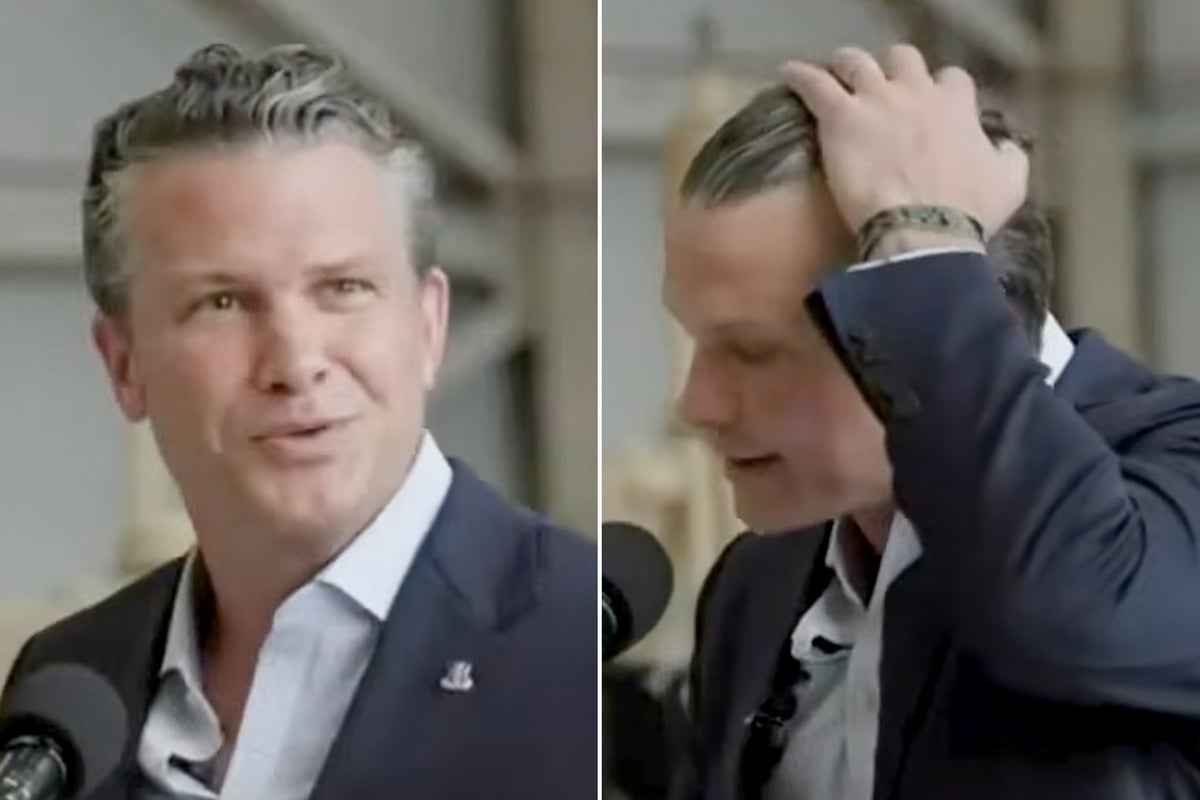
The modern commentary ecosystem thrives on superficial outrage. When a high-profile figure steps to a podium, drops a casual quip about physiological responses under hot lights, and watches the room chuckle, the machinery of digital media grinds into motion. Cue the breathless headlines, the calculated pearl-clutching, and the endless recycling of out-of-context micro-moments designed to generate outrage clicks.
Everyone misses the actual mechanism at play. You might also find this related story interesting: The Weight of Silence Across the Border.
We live in a culture that mistakes performance art for policy discourse. When a public figure leans into self-deprecating humor or physical vulnerability on a stage, critics pounce on the distraction while ignoring the structural gravity of what is actually happening behind the scenes. This is the oldest trick in the public relations playbook: weaponize the trivial to crowd out the consequential.
The Anatomy of a Manufactured Distraction
Look at the standard coverage of any major speech delivered by a political appointee, a cabinet nominee, or a corporate titan. The script is remarkably uniform. As extensively documented in detailed reports by BBC News, the results are widespread.
- Isolate a secondary moment, a facial expression, or an off-hand joke.
- Elevate that micro-moment to the primary thesis of the event.
- Invite an army of pundits to debate the propriety, tone, or optics of the incident.
- Ignore the actual budget figures, policy frameworks, or strategic doctrines discussed during the remaining forty-five minutes.
This approach treats the public like toddlers easily distracted by shiny objects. Worse yet, it rewards the subjects of scrutiny for playing along. When a speaker makes a self-effacing joke about heavy perspiration under intense stage lights, they neutralize standard media attacks by owning the joke first. They disarm the critics by leaning into the absurdity.
Yet, commentators fall for it every single time. They spend entire news cycles analyzing the meteorological conditions of a hotel ballroom rather than dissecting the administrative directives being outlined.
Why the Status Quo Analysis Fails
The conventional take argues that public optics dictate political survival. Proponents of this view claim that a leader must maintain a pristine, unflappable exterior at all times to command respect. Any crack in the facade—a bead of sweat, a stumble over a statistic, a blunt turn of phrase—signals weakness to foreign adversaries and domestic rivals alike.
This perspective is entirely detached from reality.
Modern audiences are fundamentally exhausted by polished perfection. In an era dominated by heavily filtered digital personas and meticulously scripted corporate statements, raw physical humanity registers as authentic. When a speaker acknowledges bodily reality—whether through humor or visible effort—it cuts through the sterile corporate veneer that most people inherently distrust.
I have spent years watching organizations panic over minor communication mishaps while ignoring catastrophic structural failures. Executives will fire a communications director over a stray joke while their entire product roadmap burns to the ground. Analysts will spend three days tearing apart a speaker's delivery style while completely misinterpreting the economic impact of the policy being announced.
The obsession with optics is a defense mechanism for analysts who lack the technical competence to critique substance. It is much easier to write five hundred words about a speaker's demeanor than it is to analyze the secondary and tertiary effects of a proposed regulatory overhaul.
The Real Cost of Shallow Coverage
When media outlets focus exclusively on surface-level theater, three major failures occur simultaneously.
First, public literacy regarding complex issues plummets. If every significant speech is reduced to a viral clip or a personality clash, citizens are deprived of the foundational information required to hold institutions accountable.
Second, political discourse descends into a race to the bottom. Figures learn that substance does not drive engagement, so they stop offering substance. They optimize their entire public presence for maximum shareability, relying on provocative asides and meme-ready moments to maintain relevance.
Third, institutional trust erodes to zero. When people realize the news they consume spends more time analyzing a speaker's perspiration than the actual mechanics of governance or market shifts, they check out entirely. They stop believing the headlines, and rightly so.
What Should Happen Instead
Fixing this requires an intentional shift in how audiences and commentators consume information.
Stop reading opinion pieces about the optics of an event until you have read the primary source material. If a speech is given, look at the transcript. Ignore the commentary entirely for the first twenty-four hours. Ask yourself a simple question: What policy shift, financial commitment, or structural change was actually announced, and how does it affect the baseline reality?
If the answer involves a new regulatory framework, trace the second-order consequences. Who wins? Who loses? What capital is being moved? Those are the metrics that matter. A bead of sweat on a stage evaporates in seconds. A bad regulatory framework compounds for decades.
The next time a major platform tries to sell you a breathless outrage cycle over a casual joke or a minor physical reaction, recognize it for what it is. It is noise designed to fill space, generate ad revenue, and distract you from the levers of power that actually shape your daily life.
Turn off the commentary. Look at the mechanics. Ignore the theater.
That is the only way to beat a system built entirely on keeping you looking in the wrong direction.


