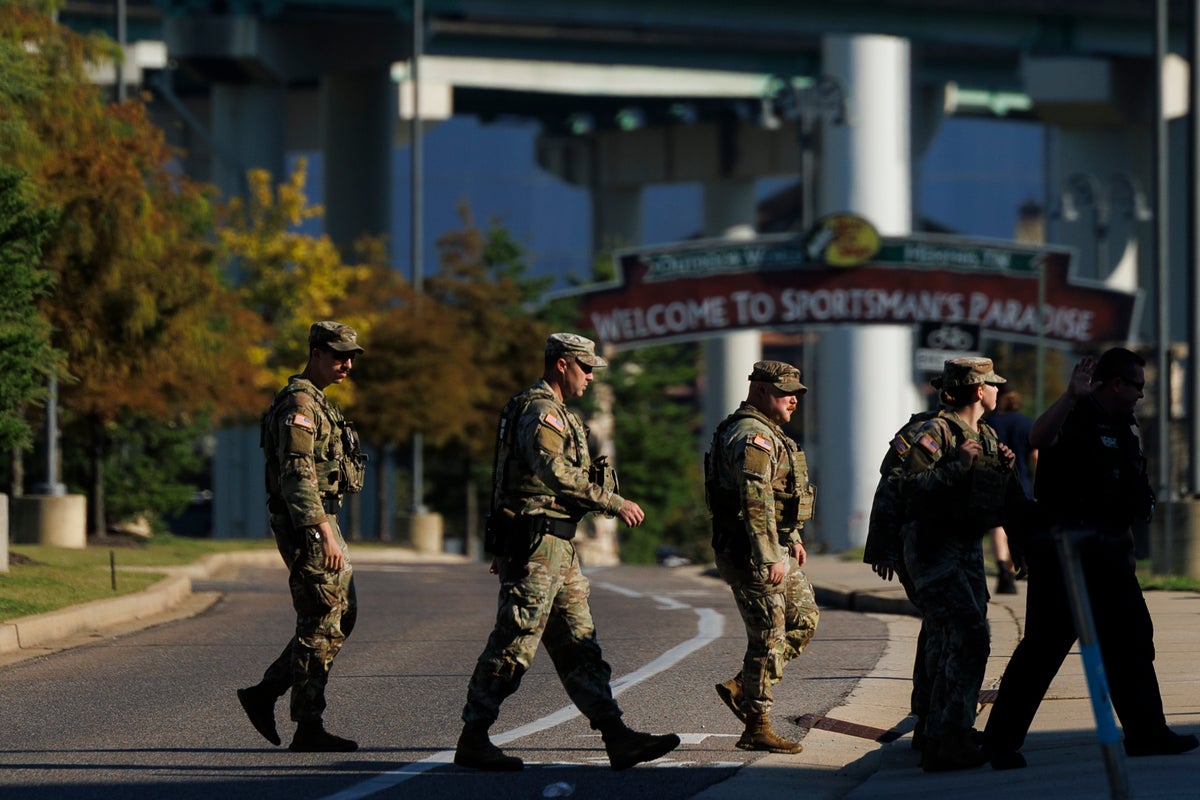
You don't expect a local pizza spot to become ground zero for a national debate on civil liberties and military oversight. Yet, that's exactly what happened when four uniformed members of the Tennessee National Guard walked into Tamboli's Pasta & Pizza in Midtown Memphis on a recent Saturday night. They wanted dinner. Instead, the staff asked them to leave.
Owner Miles Tamboli isn't backing down from the decision, framing the refusal as an act of conscience. The internet responded with predictable fury, sparking immediate boycott campaigns, death threats, and flooded phone lines. But beneath the screaming matches on social media lies a deeply complex local reality regarding how American cities handle crime, policing, and constitutional boundaries.
The Core Dispute Behind the Kitchen Counter
Tamboli's refusal wasn't an arbitrary whim. It stems from growing local tension over the Memphis Safe Task Force. Established via a federal initiative, this task force combines local police, state troopers, and National Guard soldiers to combat violent crime.
Memphis Safe Task Force Structure:
- Memphis Police Department
- Tennessee State Troopers
- Tennessee National Guard
- Federal Law Enforcement Agencies
Tamboli and a coalition of local business owners argue that using military troops for domestic policing fundamentally violates American principles. He points to the Declaration of Independence, arguing a free nation shouldn't let combat-trained forces police its own citizens.
The argument gets much more specific than constitutional philosophy. Local activists note that the task force relies heavily on routine traffic enforcement rather than tracking down high-level violent criminals. To critics, this looks less like targeted crime fighting and more like a heavy-handed, armed presence on everyday neighborhood streets.
Data and a Tragic Catalyst
The breaking point for the neighborhood didn't happen in a vacuum. Earlier this month, National Guard personnel shot and killed 20-year-old Memphian Tyrin Johnson during a foot chase downtown. The lack of body camera footage from the incident left the community with zero clear answers and plenty of anger. Tamboli cited Johnson’s death as direct proof that bringing military combat training into civilian de-escalation scenarios makes residents less safe, not more.
The Underlying Friction:
- Guard Position: Soldiers are providing crucial backup to understaffed local law enforcement.
- Critic Position: Combat troops lack training in community policing and civilian de-escalation.
Furthermore, local business advocates question whether the task force is even necessary. Memphis Police Department data from early 2025 showed violent and property crime had already hit a 25-year low before the joint task force even deployed. While state officials credit the military presence with keeping numbers down, critics argue the city was already fixing itself without an armed domestic occupation.
The Legal Reality of Refusing Service
Can a private business actually kick out military personnel? Yes.
The Civil Rights Act protects individuals from discrimination based on race, color, religion, sex, or national origin. Occupation, including active military service, is not a protected class under federal law. Unless a specific state or local ordinance prohibits discrimination based on military status, private business owners generally retain the right to deny service to anyone, provided the reasoning isn't a cover for targeting a protected class.
The political fallout in Tennessee has created bizarre bedfellows. Shelby County District Attorney Steve Mulroy publicly supported the restaurant on social media. Meanwhile, conservative politicians like U.S. Representative Tim Burchett blasted the move, joining online campaigns under the hashtag #BoycottTamboli.
What Happens Next for Local Businesses
Navigating a massive political flashpoint is dangerous territory for any independent restaurant. If you're a business owner looking to take a stand on local policy, you need to prepare for the inevitable blowback.
First, secure your digital footprint. Tamboli had to shut down his restaurant's phone lines after his personal contact info leaked online. If you take a controversial stance, expect your Yelp, Google Maps, and social channels to be flooded with thousands of bad reviews from people who have never set foot in your state.
Second, protect your staff. Tamboli noted his team faced a barrage of hostile messages and safety threats. Ensure your employees know how to handle aggressive callers and unwanted media presence at the front door. Taking a political stance can rally a loyal base of local supporters, but it requires a thick skin and a clear plan to handle the immediate financial and physical security risks.