Every time a headline drops about an explosive scare near a strategic defense installation, the media playbook runs on autopilot. You get the breathless reports of cordoned-off perimeters, bomb squads rolling in, and local populations hyperventilating over imminent catastrophe. The lazy consensus says this proves our borders are porous, our installations are sitting ducks, and domestic terror is surging to unprecedented heights.
It is a completely inverted read of reality.
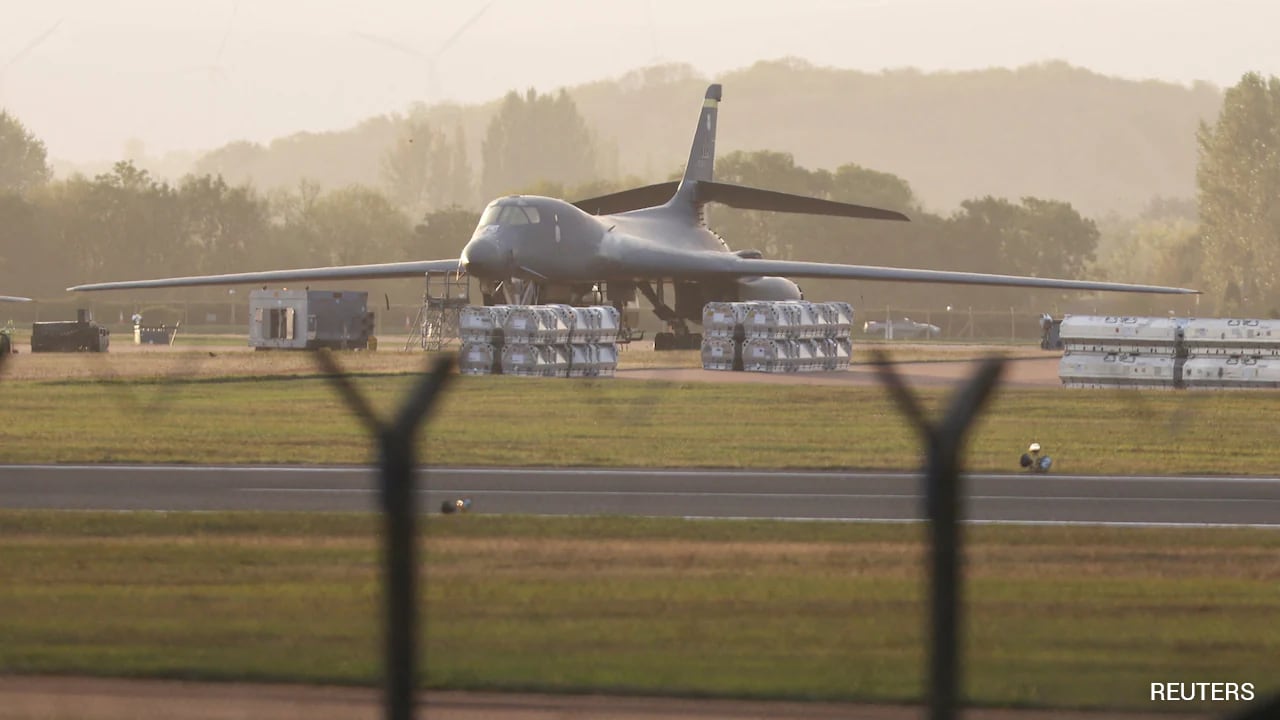
Let us look at what actually happened outside that US facility in the UK when men were detained over explosives offenses. The standard narrative wants you to believe a sleepy community dodged a catastrophic bullet because an alert patrol happened to spot danger. The operational truth is far less cinematic and far more routine. Modern military installations do not rely on local police stumbling onto suspects with contraband. They run multi-tiered electronic surveillance, telemetry grids, and predictive intelligence architectures that flag anomalies long before a suspect ever parks a vehicle near a perimeter fence.
When you see a dramatic public arrest outside a defense perimeter, you are looking at a controlled containment. Intelligence agencies often track bad actors for weeks or months, gathering communications metadata and mapping network nodes. The moment of physical intervention is chosen by the state, not the perpetrators. Yet the mainstream press reports it as a terrifying near-miss, feeding a public appetite for existential panic.
Stop treating every tactical arrest as a systemic failure of defense infrastructure. It is precisely the opposite. It means the system absorbed the threat, isolated the variable, and neutralized it before operational execution.
The real vulnerability is not a couple of amateurs stumbling around with improvised materials near a wire fence. The real vulnerability is our collective addiction to threat inflation. Every time we sensationalize a low-level containment, we signal to actual bad actors exactly how much psychological leverage a bag of fertilizer or a poorly constructed pipe bomb buys them in the evening news cycle. We are doing their propaganda work for them.
If we want actual security literacy, we need to stop reacting to the theater of the bust and start auditing the actual friction points in our counter-intelligence pipelines. Until we break the cycle of media-driven hysteria, we will keep mistaking successful threat mitigation for an existential crisis.


