Geopolitical handshakes rarely change overnight, but when Indian Prime Minister Narendra Modi and Chinese President Xi Jinping sit down face-to-face, the room shifts. During the BRICS Summit in New Delhi, the dialogue focused heavily on a straightforward premise: differences shouldn't morph into permanent disputes.
If you've been watching New Delhi and Beijing trade diplomatic blows over the past few years, this tone sounds surprisingly soft. Chinese diplomatic circles quickly emphasized that both economic powerhouses view each other as partners rather than rivals. But beneath the polished statements, what is actually going on? Let's break down the reality behind the rhetoric.
Beyond the Diplomatic Gloss
For years, the border standoff cast a long, cold shadow over trade, tech investments, and regional stability. When military friction spiked in Ladakh, routine diplomacy froze. So why the sudden urge to reset?
The answer comes down to economic gravity and global positioning. Both nations realize that perpetual friction hurts domestic growth ambitions. India needs a stable supply chain and manufacturing momentum, while China faces a complex global economic environment where emerging markets are demanding alternative voices.
When diplomats talk about "political and historical wisdom," they're essentially admitting that an open-ended confrontation serves nobody.
What Leadership Consensus Means on the Ground
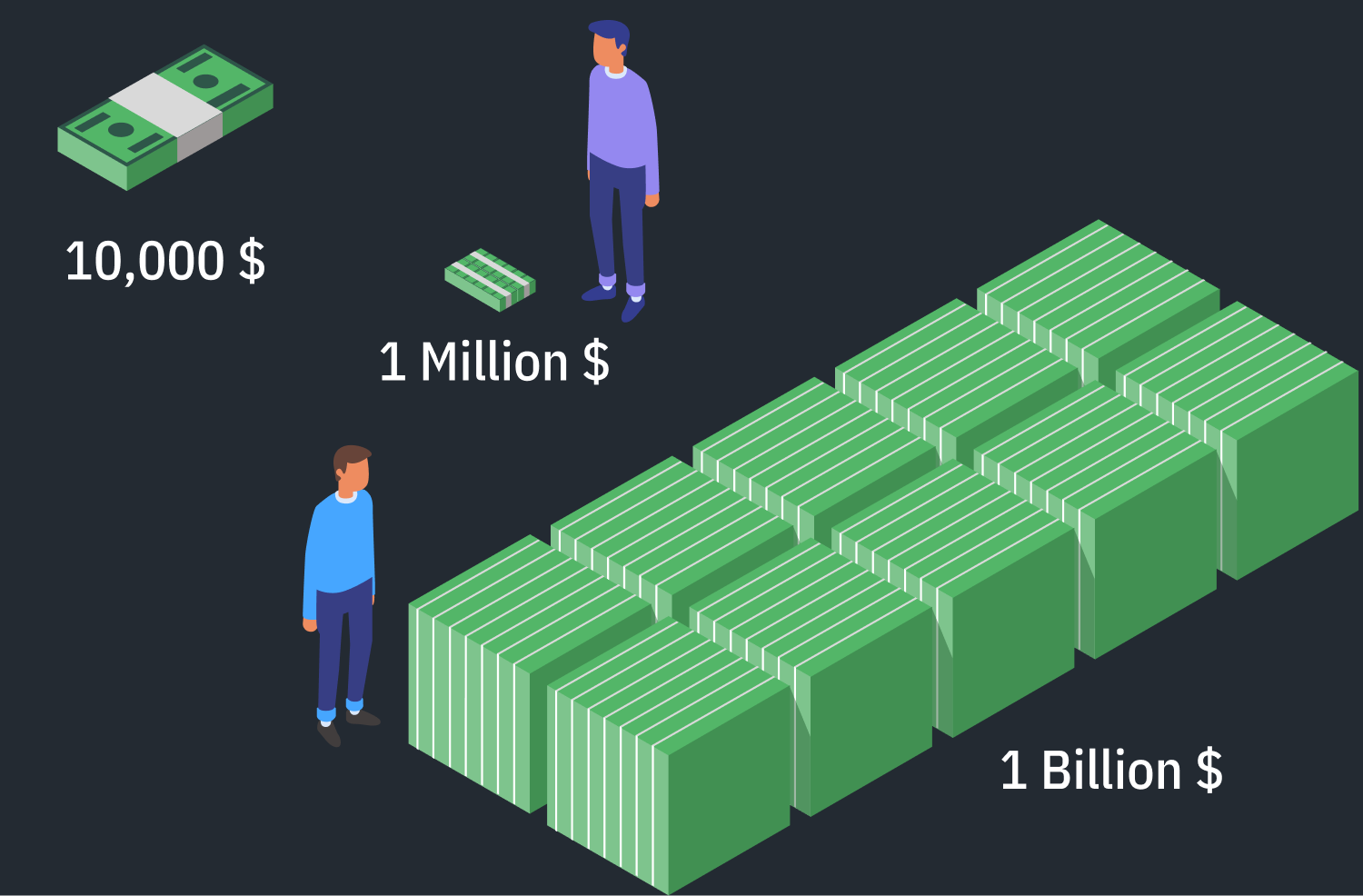
We see high-level agreements all the time, yet ordinary citizens often wonder if treaties change anything. The immediate impact centers on trade fluidity and diplomatic breathing room. Bilateral trade volumes run deep—crossing well over one hundred billion dollars—despite political distrust.
When leaders agree to properly handle disputes, it usually translates to:
- Lowering military posturing along sensitive friction zones.
- Easing visa and business travel restrictions for professionals.
- Opening backchannels to stop minor border flare-ups from escalating into broader crises.
It isn't an alliance in the Western sense of the word. It's a pragmatic working arrangement. They are neighbors who share an immense border and a massive chunk of the world's population. Ignoring each other isn't an option.
The Global South Equation
Both nations love talking about the Global South, and for good reason. Modi and Xi recognize that the shifting global order gives them shared leverage. Western-dominated financial institutions and unpredictable trade policies mean developing economies want diversified allies.
When Beijing and New Delhi project stability together, it changes the entire calculus for multilateral forums like BRICS. It tells smaller nations that Asia's giants can manage their own backyard without dragging international partners into regional standoffs.
Scepticism remains entirely valid here. Trust takes decades to build and minutes to shatter. One unexpected patrol clash along the Himalayan frontier can erase months of diplomatic progress. Yet, the active choice to sit down, talk through friction, and label each other partners marks a distinct shift away from active hostility.
Keep an eye on business investments and visa normalization over the coming months. That is where the real story unfolds, far away from the press briefings.
China 'values' PM Modi's statement on 'anti-China' activities
This video provides additional context regarding statements made by Chinese officials and media reactions surrounding PM Modi's remarks during recent high-level engagements.