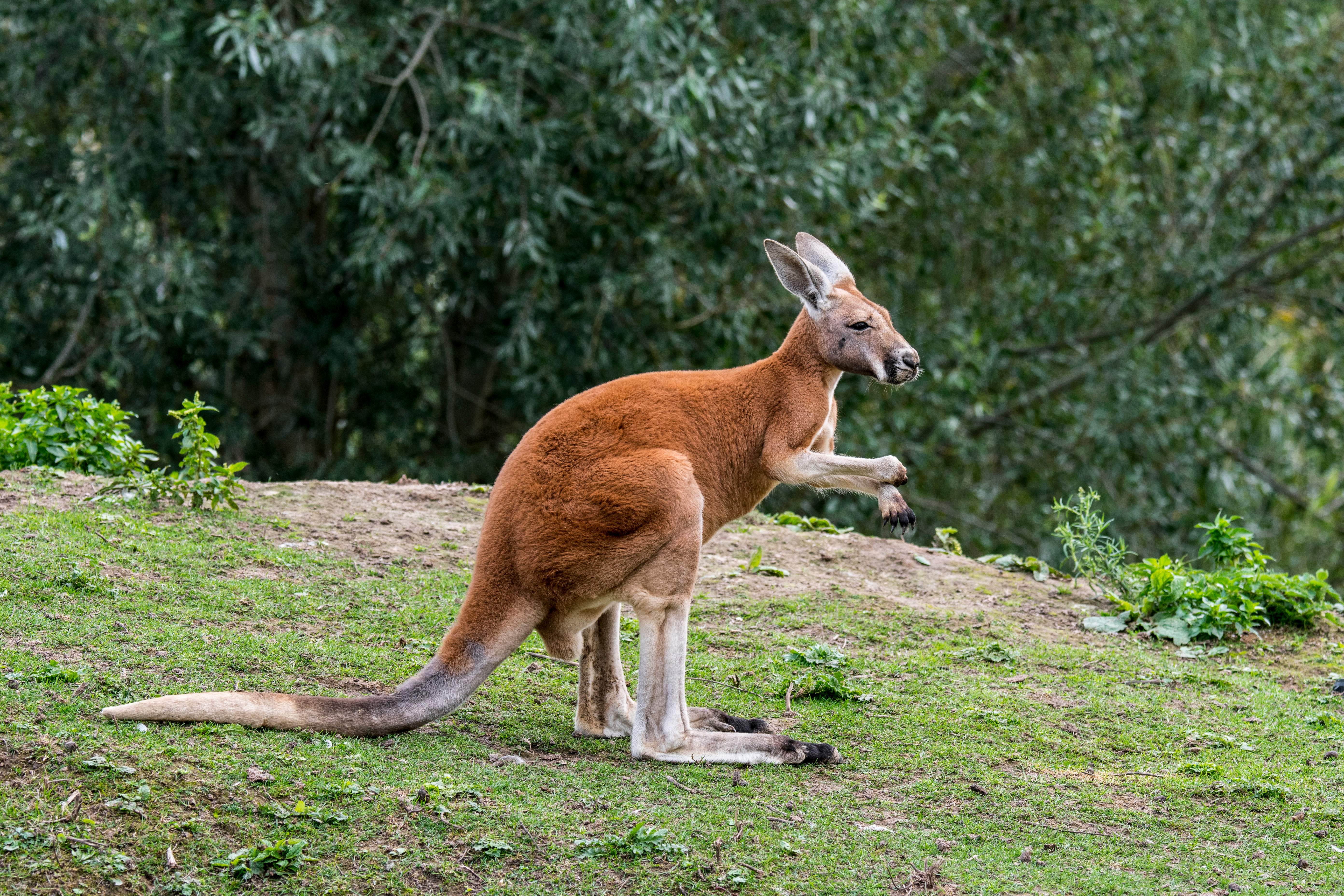
For five days, a red kangaroo named Joey turned the fields of Boucherville into his personal playground. Social media went absolutely wild. Videos of a misplaced marsupial bouncing past bewildered drivers on Montreal’s South Shore racked up thousands of views. It felt like a bizarre, lighthearted comedy.
It wasn't. Behind the viral clips lies a gritty reality about black market pet trades thriving right in our backyards.
Wildlife officials finally captured Joey. On Tuesday evening, Quebec's Environment Ministry tranquilized the animal and rushed him to the Granby Zoo. The zoo confirmed he is resting behind closed doors, eating normally, and recovering well.
But we shouldn't just laugh this off and move on. Joey’s brief escape blew the lid off a massive problem that Canadian authorities have ignored for way too long.
The Bizarre Five Day Bouncing Chase in Boucherville
The saga started when a local resident spotted Joey hanging around a horse stable. By Friday, the kangaroo broke loose, taking off into the open fields of the South Shore.
While the internet turned Joey into a meme, animal welfare experts were panicking. The government took a remarkably relaxed stance. The Environment Ministry publicly stated that the kangaroo posed no major threat to the public and could easily survive the warm summer months.
Frédéric Bérard, a high-profile lawyer representing the Galahad SPCA animal protection agency, didn't buy that bureaucratic reassurance for a second. Bérard went on the airwaves, warning that Joey was a sitting duck for local coyotes or a lethal encounter with a fast-moving car.
The ministry faced intense public pressure for five days before they finally stepped in. They sedated the young marsupial, loaded him into an animal ambulance, and transferred him to the specialized veterinary team at Granby Zoo. He is safe for now, but his presence in Quebec raises uncomfortable questions.
The Lucrative Black Market Right Under Our Noses
How does an Australian red kangaroo end up in a barn in suburban Quebec? The answer is simple and ugly: money.
Joey didn't escape from a legitimate sanctuary. He was held completely illegally without any permits or oversight. This isn't an isolated case of an eccentric hobbyist. It's a highly organized, wildly profitable underground economy.
Exotic animal trafficking stretches across provincial borders and directly into the United States. According to animal advocacy groups like Galahad, sourcing an illegal exotic pet online is shockingly easy if you have the cash.
- A kangaroo runs about $5,000 to $6,000 on the black market.
- Baby monkeys routinely sell for around $9,000.
- Illegal listings regularly feature everything from declawed wildcats to exotic venomous snakes.
The people buying these animals don't understand their complex biological needs. Kangaroos need social structures, specialized diets, and massive amounts of secure space. They aren't quirky lawn ornaments. Holding them in standard stables or backyard pens is a recipe for psychological distress and inevitable escapes.
Why Canada Wildlife Laws are Failing
Quebec strictly requires specific provincial permits to keep exotic or wild animals in captivity. On paper, the rules look clear. In practice, enforcement is virtually non-existent until an animal actively hops down a highway.
The legal system treats exotic animal possession with a slap on the wrist. Activists and lawyers are pushing hard for legitimate criminal consequences for the individuals who smuggled and housed Joey. If the province doesn't hunt down the supply chain, the demand will keep growing. We need to treat exotic animal smuggling like the serious corporate crime it is, rather than a minor regulatory infraction.
If you ever spot an exotic animal in an unexpected place, do not approach it. You'll likely scare the animal into traffic or dangerous territory. Take a photo to note the exact location and immediately contact provincial wildlife authorities or local animal welfare organizations.