The coffee was still hot in terminal three. Or rather, it was cooling rapidly in a paper cup held by a tired father of two who had been awake since three in the morning. Around him, thousands of people checked phones that showed the exact same frozen screen. No departure times. No gate changes. Just a stark, polite message where a schedule used to live.
Ground stop. Don't miss our recent article on this related article.
The words sound administrative. Clinical. Like a note scribbled in the margin of a clipboard. But to anyone standing beneath the cavernous departure boards of American Airlines hubs across the country that morning, those two syllables felt heavier than lead. They meant thousands of aluminum tubes parked firmly on tarmac. They meant missed connections, ruined weddings, delayed business deals, and families stranded hundreds of miles from home.
Consider what happens next: the hum of conversation in a crowded airport lounge shifts from a dull roar to a tense, collective silence. If you want more about the history here, National Geographic Travel offers an informative breakdown.
We forget how fragile the modern schedule really is. We treat aviation like plumbing. You turn the handle, water comes out. You book a ticket, you walk down a jet bridge, you arrive. We expect invisibility. The magic of modern flight lies entirely in its silence—in the millions of lines of code, the coordinated radar blips, and the split-second database syncs that happen entirely out of sight.
Until the code breaks.
A nationwide IT outage is not a physical storm. There is no dramatic sheet of rain slamming against the terminal glass. There are no whipping winds to point at. It is entirely invisible. A corrupted update, a dropped packet of data, a cascading server failure somewhere in a server room thousands of miles away. Yet its consequences ripple outward with brutal physical force.
Planes cannot leave the gate without a flight plan. They cannot taxi without clearance. And clearance relies on a nervous system of digital communication that spans the entire continent. When that nervous system stutters, the whole beast freezes in its tracks.
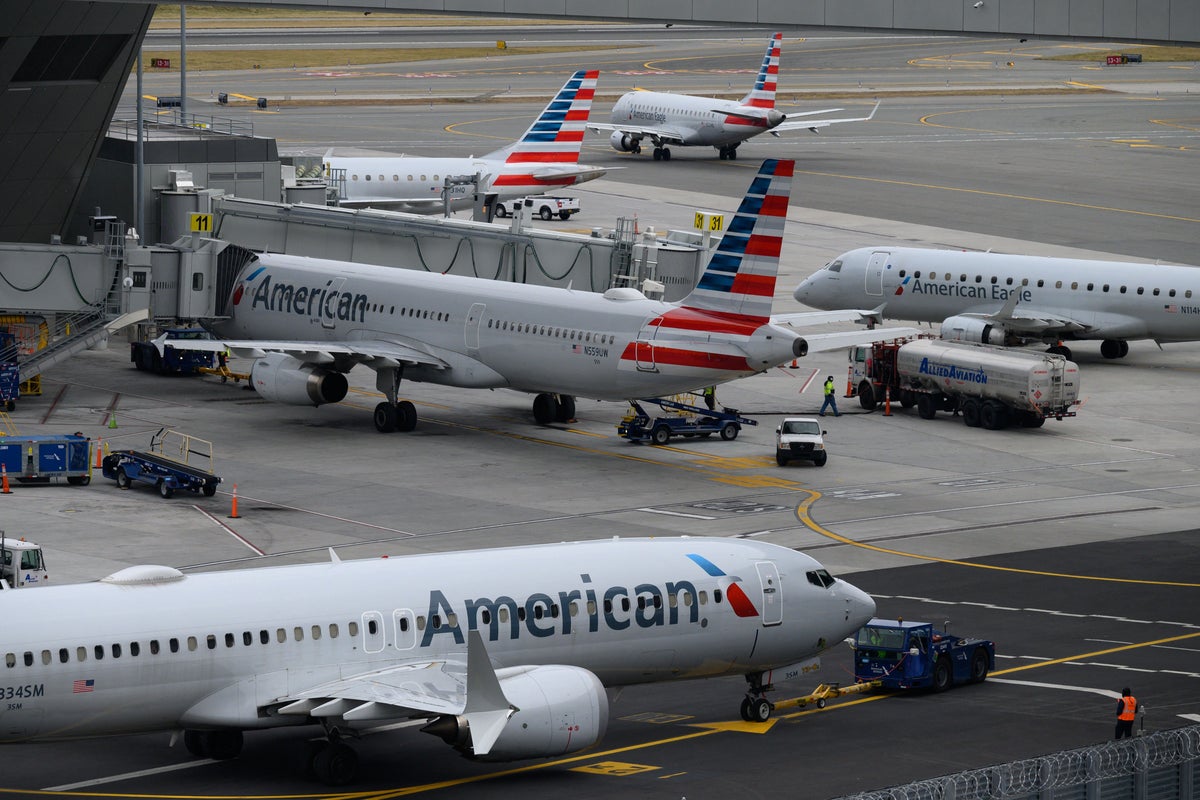
Imagine sitting in seat 14B on a Boeing 737 parked thirty feet from the terminal. The air conditioning hums quietly. The flight attendants smile, offering water from plastic cups with practiced, professional calm. But thirty minutes turn into an hour. Then two. The captain's voice comes over the intercom, smooth and measured, explaining that the reservation system has vanished from the screen.
"We are waiting for a reset," the voice says.
That word—reset—carries a strange weight. In our digital lives, we reset routers, phones, and passwords a dozen times a day. We expect things to bounce back in thirty seconds. But when you apply that concept to an airline operating thousands of synchronized flights across multiple time zones, a reset is not a flick of a switch. It is a domino effect of epic proportions.
One delayed flight means a crew times out. That crew was scheduled to fly a different plane to a different city later that evening. Now that second flight has no pilots. The cleaning crew is standing by the wrong gate. The baggage handlers are caught in a backlog of un-scanned bags accumulating beneath the floorboards of the terminal.
This is the hidden cost of our hyper-efficient world. We have trimmed away every ounce of fat from the system in the name of speed and cost reduction. Every plane flies as often as possible. Every crew member is scheduled to the legal limit. Every minute on the tarmac is tracked on a spreadsheet.
Efficiency is wonderful until something goes wrong. Then, efficiency turns into vulnerability.
By mid-morning, the crowds at the ticket counters swelled. You could smell the distinct mixture of anxiety, stale coffee, and hand sanitizer. A college student heading home for a break sat cross-legged on the carpet, charging her phone with a portable brick while frantically refreshing an app that stubbornly refused to load. A businessman in a wrinkled suit paced back and forth near a departure board, talking in low, sharp tones into his Bluetooth earpiece, trying to reschedule a meeting that was slipping away.
We have all been there. That sinking feeling in the pit of your stomach when you realize time is no longer your own.
The airline issued statements. Standard PR language. Technicians were working around the clock. Systems were coming back online incrementally. Safety was the top priority.
All of that was true. No one wanted a plane in the air without complete data synchronization. The ground stop was the safest possible choice, a massive, conservative brake applied to a runaway train. But knowing that a decision is correct does not make it any easier to swallow when you are sleeping upright on a vinyl airport chair.
As afternoon turned into evening, the digital arteries began to clear. Green checkmarks replaced red warning icons on internal dashboards. The servers rebooted, data packets found their destinations, and the invisible gears started turning again.
Outside on the tarmac, the first engine roared to life. A heavy turbine spun up, breaking the strange quiet that had lingered over the ramp for hours. Passengers stood up from their makeshift camps, grabbing backpacks and rolling suitcases, forming a ragged line toward the gate agent's podium.
They were tired. They were frustrated. Many would arrive at their destinations hours, or even days, late. But as they filed down the jet bridge and stepped into the dim cabin light, they did something remarkable. They sat down, buckled their seatbelts, and trusted the machine to carry them through the dark.