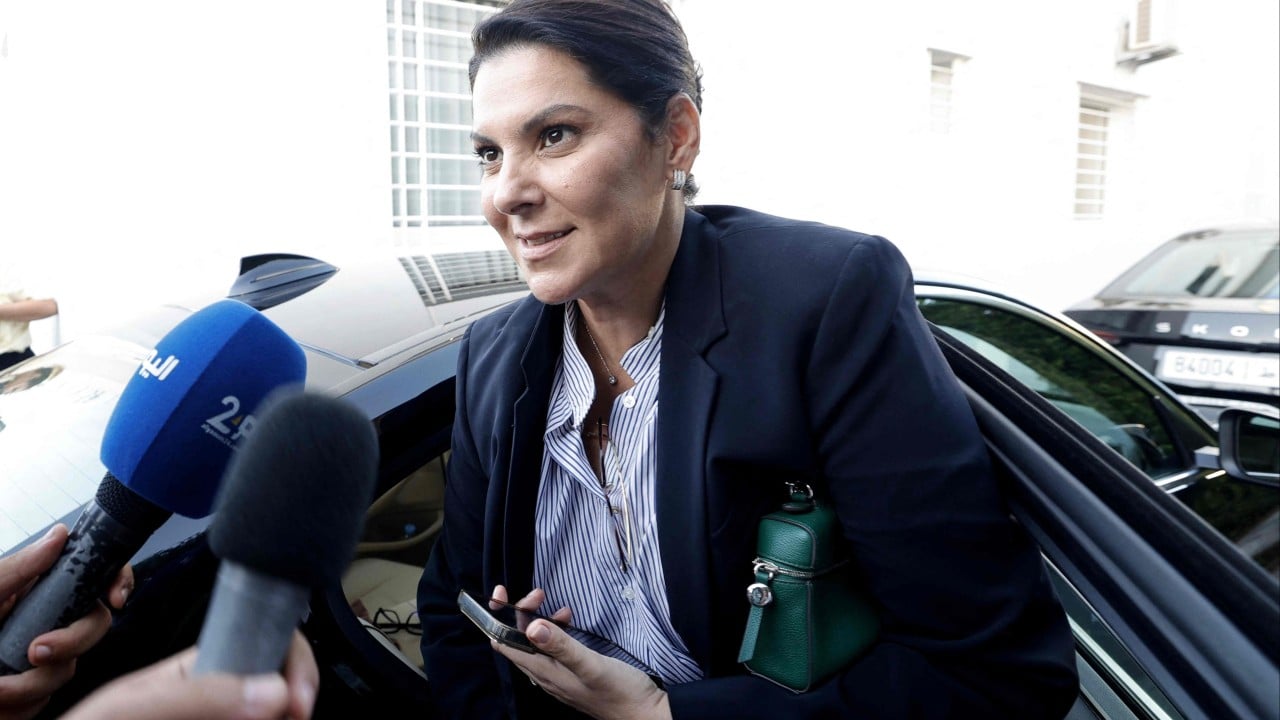
History isn't made by accident. When King Mohammed VI appointed Fatima Ezzahra El Mansouri as Morocco's prime minister, it marked a massive shift for North African politics. She became the first woman to ever hold the office, stepping into the role after her party secured a major victory at the ballot box.
Most headlines treated the moment as a simple symbolic win. But if you look at how Moroccan politics actually operates, her appointment is far more than a milestone for representation. It is a calculated move to tackle immediate economic pressure, bureaucratic gridlock, and the massive infrastructural demands of hosting the 2030 World Cup.
Breaking Down the Political Weight of El Mansouri's Rise
You can't understand El Mansouri's new role without looking at her background. She isn't an outsider crashing the gates. As the national coordinator of the Authenticity and Modernity Party (PAM) and a two-time mayor of Marrakesh, she knows how the state machinery works from the inside. Her political pedigree runs deep—her father was a powerful municipal governor, giving her a firm grounding in traditional statecraft combined with modern administrative training in France.
Under Morocco's 2011 constitution, the monarch must choose the head of government from the party that wins the most legislative seats. PAM claimed 97 seats in the general election, making her elevation a direct reflection of both popular mandate and royal designation.
Her previous stint as the Minister of Housing offered a preview of her management style. During that tenure, she handled complex national portfolios, including direct housing subsidies and the delicate, high-stakes recovery housing efforts following the devastating 2023 Al Haouz earthquake. She didn't just manage budgets; she managed crises under intense public scrutiny.
The Real Challenges Waiting on Her Desk
Symbolism matters, but policy fixes daily life. El Mansouri takes over the executive branch while regular citizens deal with persistent frustrations over the local economy, high unemployment, and the rising cost of living.
Citizens want tangible answers, not political jargon. Here is what she has to deliver right away:
- Economic Relief: Inflation and job scarcity remain top of mind for everyday voters, especially younger demographics facing limited employment prospects.
- World Cup 2030 Infrastructure: Morocco shares hosting duties with Spain and Portugal. Preparing stadiums, transport networks, and hospitality sectors requires flawless execution on a strict timeline.
- Regional Disparities: Bridging the economic gap between booming urban hubs like Casablanca and Marrakesh and marginalized rural regions.
Past administrations often stumbled when grand structural reforms clashed with slow local bureaucracy. El Mansouri's background in urban planning and municipal leadership gives her a toolkit designed precisely to cut through administrative red tape.
What This Means for the Region
Looking at the broader Arab world, female heads of government remain rare. El Mansouri stands as the third woman to lead a government across the entire region. That distinction places Morocco in a unique spotlight internationally, drawing attention to how legal reforms over the past two decades are reshaping societal norms from the ground up.
Critics often argue that political appointments in constitutional monarchies change little about underlying power structures. Yet, dismissing this appointment ignores how institutional culture evolves. When a woman occupies the highest executive seat in a major North African nation, the baseline for who belongs in power shifts permanently.
Expect resistance from entrenched political factions and old guard networks. El Mansouri has already shown she won't shy away from swift administrative changes to align her team. How she balances economic pragmatism with public expectations over the next five years will define her legacy and set the template for future leadership in the region.