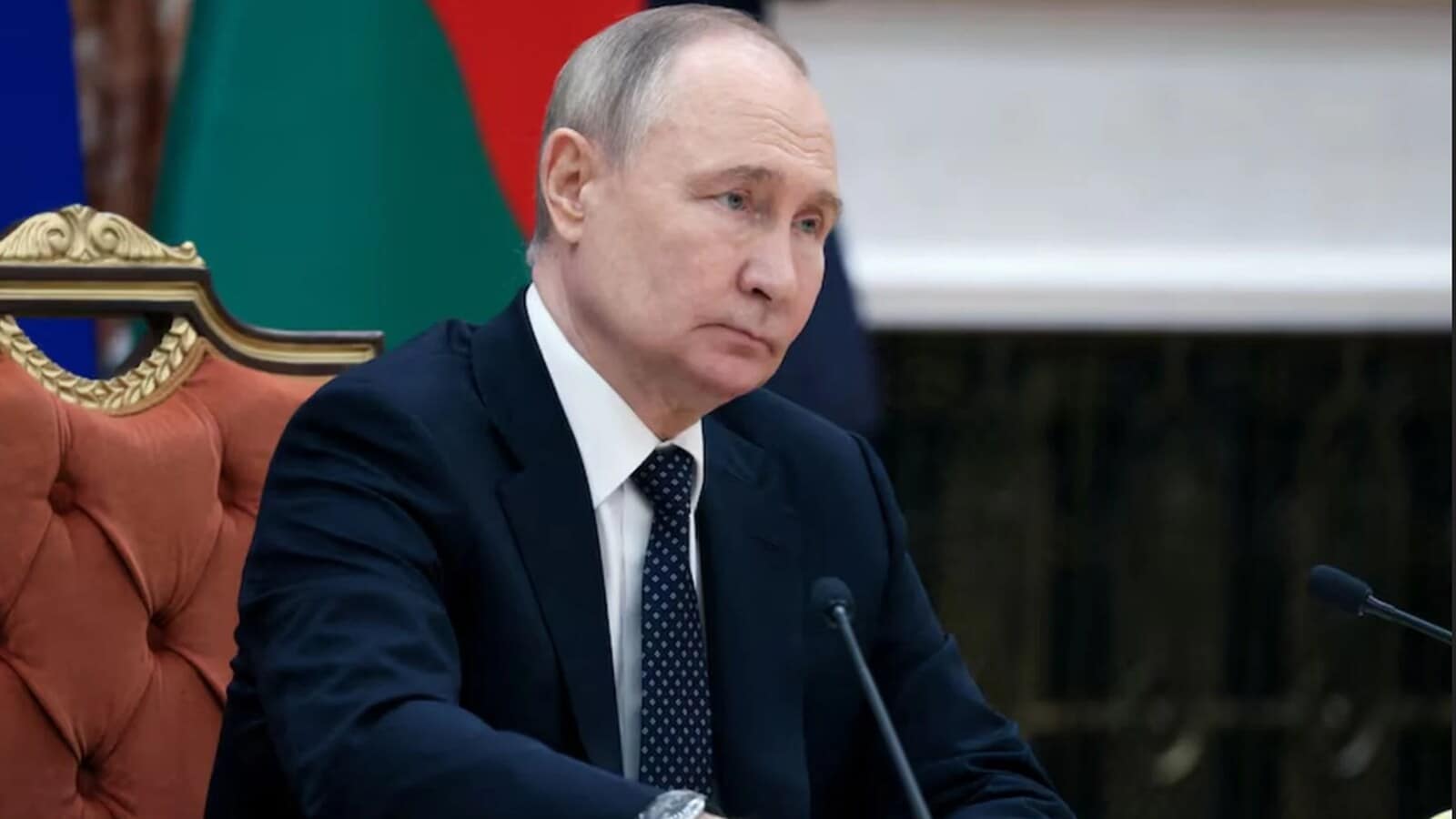
The diplomatic trial balloon floated by Moscow regarding a potential trilateral summit between Vladimir Putin, Donald Trump, and Xi Jinping is less a breakthrough for global peace than a calculated maneuver in great power chess. When Russian Deputy Foreign Minister Sergei Ryabkov and Kremlin aide Yuri Ushakov publicly dangled the prospect of a three-way encounter during the upcoming Asia-Pacific Economic Cooperation gathering in Shenzhen, foreign desks around the world scrambled to parse the signal. Beneath the surface chatter about scheduling and venue logistics lies a much harder reality. Moscow wants to institutionalize a new directory of global superpowers, Beijing wants to project regional leadership on its own turf, and Washington is left facing a structural dilemma of its own making.
To understand why this summit proposal surfaced now, one must look past the diplomatic pleasantries and examine the mechanics of modern transactional statecraft. Russia is not offering a concession; it is codifying its alignment with China while keeping an open line to an American administration known for upending conventional diplomacy. Ryabkov noted that the primary hurdle is defining the agenda and expected outcomes. That is diplomatic shorthand for a fierce contest over who sets the terms of global security.
The Structural Anatomy of a Three-Way Chess Match
A trilateral meeting of this magnitude is historically rare because the geometric distribution of power rarely favors it. Bilateral talks allow for precise leverage, where one party pressures another. A triangle introduces shifting coalitions, where two powers can temporarily gang up on the third, or where one isolated actor must manage a hostile bloc.
For Beijing, hosting the APEC summit while facilitating a room that includes both Washington and Moscow provides an optical triumph. It places Xi Jinping at the literal and figurative center of gravity. For years, Western analysts have debated the limits of the Beijing-Moscow partnership, often labeling it a marriage of convenience. Yet, by sitting down alongside a U.S. president who views foreign policy through the lens of direct deal-making, Xi and Putin could project an image of an alternative power center that cannot be bypassed or sanctioned into irrelevance.
Washington’s calculus is vastly more complicated. The White House has faced persistent questions regarding presidential attendance at the Shenzhen meetings, and committing to a high-stakes trilateral format carries acute political risks. Engaging in a formal three-way photo-op with leaders facing severe international strictures or deep-seated geopolitical antagonism transforms a standard trade summit into an ideological theater.
The Substance Problem
Ryabkov’s insistence on substance rather than mere pageantry highlights a deeper paralysis in international relations. What would these three men actually negotiate?
Consider the hypothetical framework of such a summit. If the agenda touches on European security architecture, Washington’s European allies would instantly cry foul over backroom dealing reminiscent of nineteenth-century spheres of influence. If the conversation pivots to trade, maritime security, or technological decoupling, Beijing and Washington remain fundamentally at odds, with Moscow playing the role of a spoiler or a raw-materials provider to the East.
There is also the shadow of ongoing conflicts. Envoys shuttle between capitals attempting to broker ends to active hostilities, yet the core security guarantees demanded by Moscow and resisted by Kyiv and its Western backers leave zero room for creative compromise. A summit that results in public disagreement or a stale restatement of irreconcilable positions benefits no one. Therefore, Moscow’s reluctance to finalize plans without a pre-cooked outcome is entirely rational from their perspective. They refuse to walk into a room where they cannot control the narrative.
The Illusion of Breakthroughs
Journalists love a summit. Markets react to the promise of high-level dialogue. But seasoned observers of international relations know that summits rarely solve structural crises; they merely ratify agreements that lower-level bureaucrats have already negotiated in secret.
When structural trust is absent, staging a theatrical encounter between leaders with fundamentally divergent worldviews achieves nothing durable. It invites grandstanding. It gives domestic audiences a spectacle while actual geopolitical friction points continue to worsen behind closed doors.
Moscow understands this dynamic intimately. By floating the trial balloon and then conditioning it on nebulous requirements of substance, the Kremlin shifts the burden of refusal onto Washington. If the U.S. declines or hesitates, state media outlets can frame American obstructionism as proof of an unwillingness to engage in multipolar diplomacy. If the U.S. accepts, Moscow secures a seat at the table of primary arbiters of global order, regardless of the outcome of any specific negotiation.
The real story is not whether Putin, Trump, and Xi will shake hands under the bright lights of an international economic forum in November. The real story is how quickly the architecture of post-Cold War multilateralism is being dismantled and replaced by informal, transactional summits among heavily armed rivals who prefer speaking over the heads of everyone else in the room.