The brutal reality of modern public life just got laid bare in a quiet Devon village.
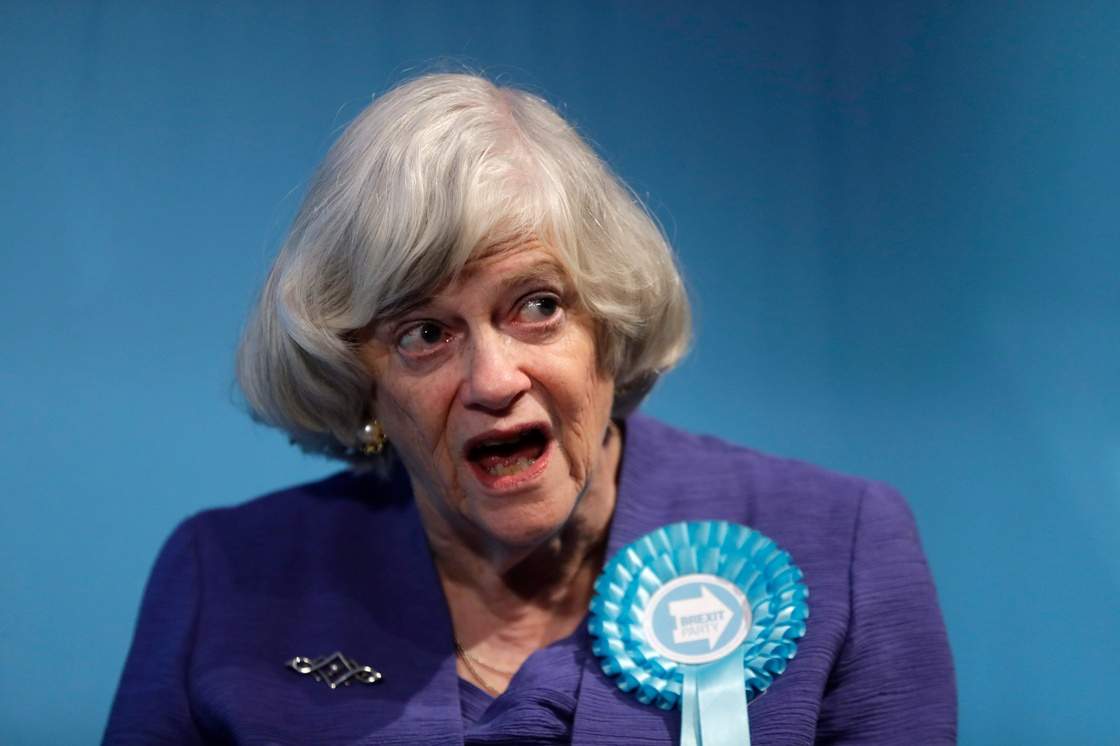
When 78-year-old former MP and TV personality Ann Widdecombe was found dead in her Dartmoor bungalow, the early police spin was predictable. Move along, nothing to see here, probably not political. But the illusion of a random, isolated tragedy shattered almost immediately.
Now, with British counter-terrorism officers running the show, police have confirmed what many feared from the start. This was a targeted attack.
The shifting narrative surrounding her murder isn't just a failure of initial local police communication. It's a massive wake-up call for how we protect public figures who step outside the traditional Westminster bubble.
A Timeline of Confusion in Devon
Let’s look at how we got here.
On Thursday, July 9, ambulance crews and police arrived at Widdecombe's home, "Widdecombe’s Rest," in the scenic village of Haytor. She had missed a scheduled TV interview the day before—a major red flag for a woman known for her militant professionalism. Inside, police found her body with what they vaguely termed "serious injuries."
The initial response from Devon and Cornwall Police was, frankly, a mess.
They arrested a 26-year-old local man, declared there was "no information" suggesting a political motive, and ruled out terrorism. Within 24 hours, that suspect was released without charge and completely ruled out of the investigation.
By Saturday, the focus shifted 200 miles north to Rotherham, where a 28-year-old man was arrested. By Monday, counter-terrorism officers took the lead. The suspect, initially held on murder charges, was rearrested under the Terrorism Act.
On Tuesday, Laurence Taylor, the head of National Counter Terrorism Policing, made it official: this wasn't some random break-in gone wrong. It was planned, and she was the target.
Why the Target Was Ann Widdecombe
You don't have to agree with Widdecombe's politics to understand why she became a focal point.
She spent decades in the House of Commons, serving as a shadow home secretary and a prisons minister under John Major. She was unapologetically socially conservative, fiercely opposing abortion and LGBTQ+ rights expansion.
But she didn't fade into quiet retirement like most politicians of her era.
Instead, she pivoted. She became a household name on reality television, dancing poorly but joyfully on Strictly Come Dancing and sparring on Celebrity Big Brother. She weaponized that national fame to fuel a political second act, joining Nigel Farage's Brexit Party, serving in the European Parliament, and eventually acting as a prominent spokesperson for Reform UK.
She lived a highly public life, but she lived it in an isolated, easily accessible rural home with a plaque displaying her property's name right at the end of her driveway.
It’s a toxic combination: national, high-profile political controversy paired with zero personal security.
The Myth of the Safe Retired Politician
For years, the UK has operated under a dangerous assumption: once you leave parliament, the threat level drops to zero.
Security assessments focus heavily on sitting MPs. We saw some tightening of security after the tragic murders of Jo Cox in 2016 and Sir David Amess in 2021. But retired politicians, even those who remain loud, active, and polarizing in the media, are basically left to fend for themselves.
Widdecombe's personal driver of ten years noted she had "never mentioned any fear" for her safety. Her neighbors talked about how the area was so safe people regularly left their front doors unlocked.
That innocence is officially dead.
If you are a public figure who regularly goes on national television to argue about immigration, gender, or national identity, you are a target. The physical distance between a TV studio in London and a quiet bungalow in Dartmoor means nothing to a determined attacker.
What Happens Next
The investigation is still digging into the suspect’s specific ideology and planning. But the political fallout has already started.
Parliament is once again debating how to protect its own, but the conversation needs to widen. We can no longer draw a neat line between "active politicians" and "media commentators." In 2026, the two roles are completely blurred.
If you're a public figure, waiting for official police protection isn't a viable strategy anymore. The reality is that personal security has to become a DIY priority.
- Remove easy markers: Take down the customized house signs and plaque names that make your home a landmark for anyone with a GPS.
- Audit your digital footprint: It's incredibly easy to piece together someone's daily routine from social media posts, broadcast schedules, and local news fluff pieces.
- Invest in physical security: Isolated properties require modern surveillance, gate access control, and direct-line alert systems to local police forces.
The UK police were slow to see the bigger picture in Devon. Let's hope the rest of the political establishment isn't just as slow to adapt to a much more dangerous reality.