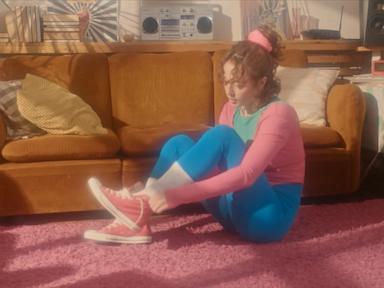
Television has spent the last decade trapped inside a fluorescent museum of its own design, mistaking neon leg warmers and synthesizer tracks for a complete cultural memory of the 1980s. With the arrival of the FX thriller The Shards, adapted from Bret Easton Ellis's semi-autobiographical novel, that lazy visual shorthand has finally collided with a much colder reality. Set in Los Angeles during the blistering summer and fall of 1981, the series sidesteps easy nostalgic candy. Instead, it resurrects a specific, muted strain of American privilege that looks remarkably little like the pop-culture caricature of the decade. This is not a revival of the mid-to-late 1980s excess defined by power suits and MTV gloss. It is a meticulous excavation of the transitional fault line where the dying embers of the 1970s bled into a darker, more paranoid decade.
The fashion and visual tone orchestrated by costume designers Lou Eyrich and Joshua Marsh rely on a palette of gray-blues, mauves, and muted earth tones rather than primary colors. Characters wear relaxed Ralph Lauren tailoring, unbuttoned silk shirts, and broken-in denim that evoke the effortless wealth of Brooke Shields and Lauren Hutton. There are no synthetic fabrics glowing under blacklights. Cashmere is draped over shoulders; penny loafers slap against concrete; Gucci loafers and CK jeans establish an immediate social hierarchy without shouting logos across a room.
Hollywood loves a safe period piece. Mainstream streaming platforms have spent years recycling the same comfortable aesthetic touchstones because audiences demand the warm blanket of recognition. When a production treats a decade like a costume party, viewers can check out mentally, admiring the surface styling while remaining entirely detached from the era's psychological undercurrents. The Shards rejects this comfort by anchoring its wardrobe and production design in genuine social anxiety.
Los Angeles in 1981 was a city choking on real terror. While upper-crust teenagers lounge by private pools in Bel Air and race sports cars up Mulholland Drive, a shadow moves through the canyons. A serial killer known as the Trawler is hunting the fringes of their pristine world. The clothing worn by the characters functions as armor against this invisible threat. The immaculate tailoring and polished exterior are designed to project absolute control in a society rapidly coming apart at the seams.
Costume and set design choices expose the fundamental flaw in how modern media interprets historical aesthetics. True style history does not evolve in neat ten-year increments. A senior at a private Los Angeles prep school in late 1981 was still dressing with the tail-end sensibilities of the previous decade—lingering disco-era looseness meeting the nascent shores of minimalist wealth. By refusing to slap a neon sign on the screen, the creative team forces the audience to look closer at the texture of class. Privilege in this universe is quiet, dusty, and soaked in cigarette smoke and expensive liquor.
Cultural analysts pointing to this series as proof of an impending mass market shift toward early-eighties menswear and prep school aesthetics miss the deeper warning embedded in the narrative. The clothes look appealing because they are classic, but the life sustaining those clothes is rotten at the core. Bret Easton Ellis has never been interested in writing love letters to youth. His characters are restless, emotionally detached, and marinated in narcotics long before they step foot inside a university lecture hall.
Marketing departments attempting to capitalize on this visual ecosystem have released extensive digital style guides, treating the wardrobe as an instruction manual for high-end aesthetics. This corporate sanitization misses the point entirely. To copy the silhouette of a 1981 Los Angeles elite teen without acknowledging the underlying paranoia and social decay is to misunderstand the art form. The aesthetic only works because it is tethered to dread.
Surface beauty masks profound systemic rot. Whenever contemporary culture tries to dress itself in the clothes of forty years ago, it tends to strip away the dirt, the sweat, and the fear that made those clothes move the way they did. The Shards succeeds precisely because it refuses to clean up the blood on the pavement. The tailoring is sharp, the cars are gorgeous, and the sunlit hills of Los Angeles look breathtakingly expensive, but the terror never stops watching from the shadows


