Altitude is a clinical thing. At thirty-six thousand feet, the air outside is cold enough to flash-freeze human breath instantly, and the world below is reduced to a map of drifting clouds and silent geometry. Inside the flight deck of a commercial airliner, predictability is religion. Every switch has a purpose. Every checklist is a shield against chaos.
Then, in the space of a single heartbeat, the shield shatters.
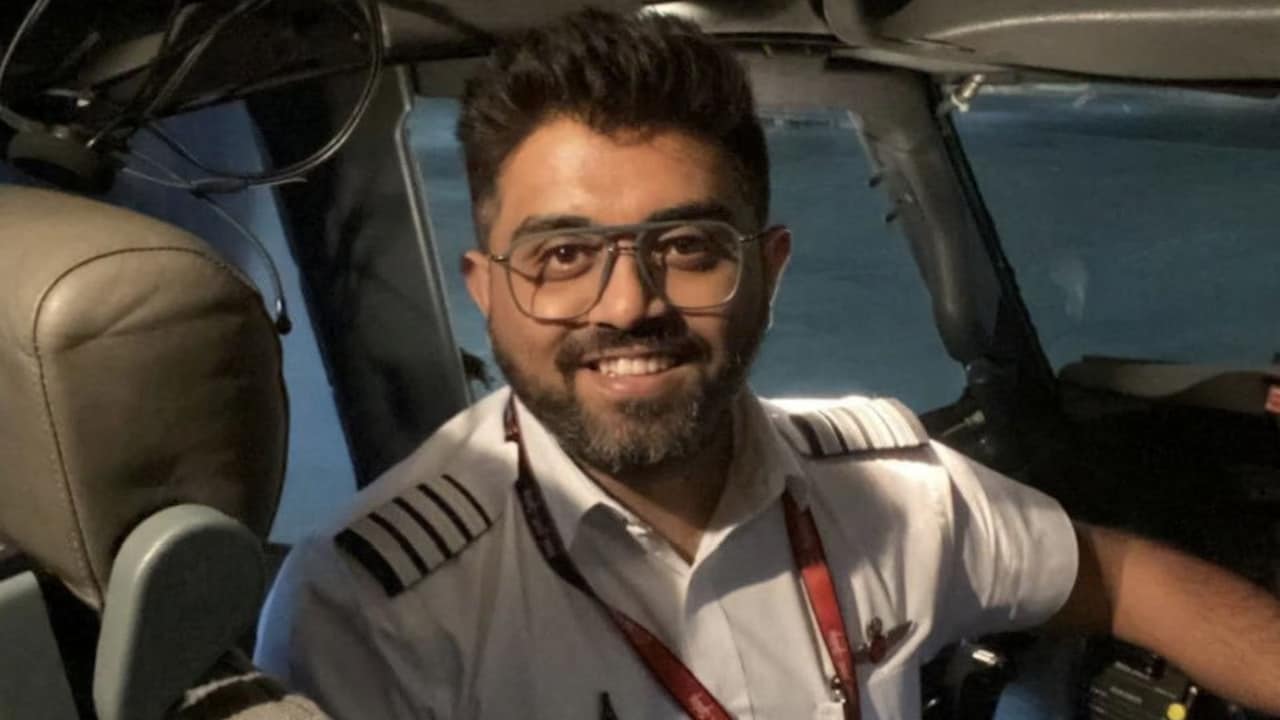
When Flydubai Flight FZ1073 pitched downward over the Middle East, plunging fourteen thousand feet in a frantic blur, the world outside aviation circles knew nothing of the coordinates. They knew nothing of the desperate struggle unfolding behind a locked steel door. But within hours, as emergency squawks faded and the Boeing 737 touched down on the tarmac in Tabuk, a single name began to ripple across millions of screens in India and across the globe: Captain Smit Machchhar.
Instantly, the search engines flared.
Millions of digital inquiries converged on a single point of curiosity. People typed his name into search bars not just out of standard news consumption, but out of a profound, collective need to understand who holds the line when the unthinkable happens. Yet, buried beneath the urgent questions of survival and medical recovery, a strange linguistic phenomenon occurred. Search queries drifted from headlines into etymology. People wanted to know about his surname.
In Hindi, the word carries the distinct ring of an insect—a mosquito. Social media feeds flickered with immediate confusion, brief chuckles of misunderstanding, and subsequent corrections. How could a man whose actions averted a catastrophic disaster bear a moniker that everyday speakers associated with a buzzing pest?
Consider what happens next when reality collides with surface-level assumptions.
A brief dip into linguistic history reveals a different story altogether. Machchhar is an established Gujarati surname, rooted deep in the coastal and commercial soil of western India. Far from any insect, the name traces back through regional dialects and ancient maritime lineages, belonging to communities of traditional seafaring families and inland trade groups. Language is a living, fractured thing. Words shift their skin as they cross borders. A term that sounds diminutive or whimsical in one dialect carries generations of coastal heritage and quiet endurance in another.
The internet searched for relief, for concern, and for etymological clarity. They found a human being.
Behind the viral statistics and the breaking news alerts lay the raw, unscripted terror of a cockpit ambush. Captain Machchhar, a veteran pilot with nearly ten thousand hours of flight time logged across years of steady commercial service, was checking landing metrics when the routine dissolved into violence. A sudden, heavy blow to the back of the head. A co-pilot turned assailant. A cabin plunging toward the earth.
In interviews given after months of recovery, Machchhar recalled the stark clarity of that descent. There was no cinematic monologue. There was only an instinctive, animal refusal to surrender. Bleeding, trapped, and fighting for control of the physical aircraft, his mind flashed to his children. The internal monologue narrowed to a razor-thin margin: You cannot die like this.
While pain flared, routine muscle memory—honed by decades of simulator sessions and quiet discipline—took over. He fought back against his attacker, struggled to unlock the heavy flight deck door from the inside, and allowed desperate passengers and off-duty crew members to rush in and secure the cabin. Two relief pilots stepped forward. Passengers with medical backgrounds applied pressure to wounds. A collective, desperate human will dragged a falling machine back from the brink of disaster.
When the aircraft finally settled on the tarmac in Saudi Arabia, the digital footprint of the event was already racing ahead of the wreckage. Headlines shouted of heroism. Governments issued statements. Prime Minister Narendra Modi placed a personal call to a hospital bed, listening to an injured pilot recount how he quietly recited the Hanuman Chalisa while bleeding behind a shattered instrument panel.
Yet, long after the politicians finish speaking and the medals are pinned to crisp uniforms, the internet's brief obsession with a surname reveals something deeper about how modern society processes trauma. We grasp at trivia to soften the blow of stark reality. When faced with the terrifying fragility of human life at thirty thousand feet, we look for an anchor—even if that anchor is as simple as understanding where a family name came from.
Names are arbitrary tags until a human being fills them with blood, sweat, and moral courage.
Captain Smit Machchhar went to work like millions of other commuters crossing international skies. He expected a standard flight from Dubai to Tel Aviv. He encountered a nightmare. And in fighting his way through it, he transformed an ordinary sequence of syllables into a permanent shorthand for endurance.
The search logs have quieted down now. The algorithms have moved on to the next cycle of global news. But high above the clouds, every time a commercial jet cuts through the stratosphere, the invisible architecture of human safety relies entirely on the ordinary people inside the cockpit who refuse to let go of the wheel when the dark comes rushing in.
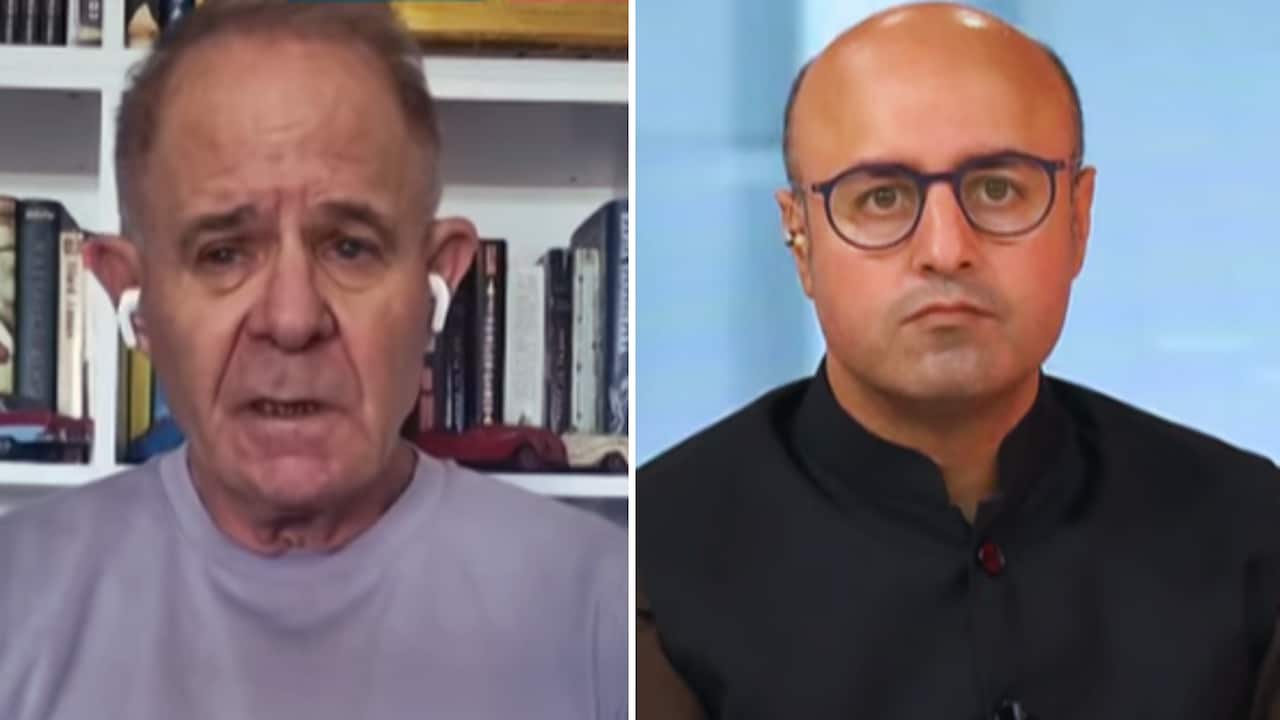
Hero Indian Captain Smit Machchhar on Flydubai flight prevents a Second 9/11 style terror attack
This video provides a direct visual overview and news broadcast segment detailing the mid-air crisis involving Captain Smit Machchhar.